
Introduction
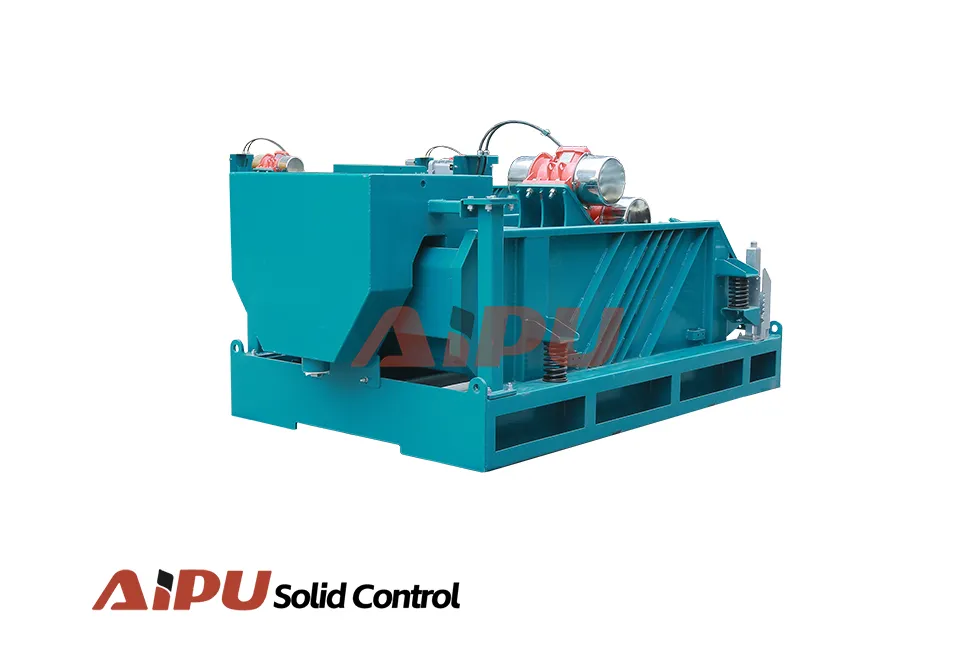
shale shaker screens are the primary and most critical solids control component on any drilling rig. Their effective lifespan directly impacts drilling fluid cleanliness, operational efficiency, and overall well costs. Premature screen failure leads to excessive waste, downtime, and increased replacement expenses. By implementing strategic operational and maintenance practices, drilling engineers can significantly extend screen service life, optimizing solids control performance and realizing substantial cost savings.
Technical Working Principle
Shale shaker screens separate drilled solids from drilling fluid via vibratory motion. High-frequency, linear or elliptical vibration stratifies the slurry, forcing finer particles and liquid through the screen mesh while conveying larger cuttings over the deck to discard. The integrity of the screen's layered mesh and tensioning system is paramount for consistent separation efficiency, measured in API mesh size and conductance.
Optimal Screen Installation & Tensioning
Proper installation is the first defense against premature wear. Incorrect tensioning is a leading cause of screen failure.
- Always follow the OEM's specified torque for tensioning bolts or clamps.
- Use a tension gauge to ensure even distribution across the screen panel, typically aiming for 18-22 lbf/in.
- Inspect the screen frame and sealing gaskets for debris or damage before installing a new panel to prevent bypass and uneven loading.
Controlled Feed & Fluid Properties Management
Abrupt changes in flow rate and fluid properties induce shock loads that degrade screen panels.
- Utilize a surge tank or choke manifold to ensure a consistent, even flow onto the shaker bed.
- Maintain optimal drilling fluid rheology; excessively viscous mud can blind screens, while high sand content accelerates abrasive wear.
- Monitor and control the feed slurry's solids loading to avoid overloading the screening surface.
Preventative Cleaning & Chemical Compatibility
Effective, gentle cleaning prevents blinding and preserves mesh integrity.
- Use low-pressure wash nozzles (�?50 psi) with appropriate fluid compatibility (e.g., water, diesel, specialized wash fluids) to dislodge plugged solids.
- Avoid high-pressure jets or metal scrapers that can damage the mesh or bonded layers.
- Ensure drilling fluid chemicals are compatible with screen panel materials to prevent corrosion or degradation of synthetic cloth.
Vibration Parameter Optimization
Operating the shaker outside designed parameters drastically shortens screen life.
- Configure G-force and vibratory motion (linear vs. elliptical) according to the mud type and solids profile, not simply at maximum intensity.
- Excessive G-force increases fatigue stress on the screen mesh and bonding agents.
- Consult shaker manufacturer guidelines to match vibration settings to the specific screen type and application phase (e.g., top hole vs. production zone).
Routine Inspection & Proactive Replacement
Implement a structured inspection schedule to identify wear before catastrophic failure occurs.
- Conduct daily visual inspections for tears, holes, or loose edges that allow solids bypass.
- Monitor for changes in fluid performance, such as increased fines in the mud tanks, indicating screen compromise.
- Replace screens proactively during planned downtime rather than running them to complete failure, which risks damaging the shaker deck and downstream equipment.
Conclusion
Extending shale shaker screen life is a systematic process rooted in precise installation, controlled operations, and diligent maintenance. By mastering tensioning, managing feed, optimizing cleaning, calibrating vibration, and conducting proactive inspections, drilling teams can maximize screen longevity. This discipline directly enhances solids control efficiency, reduces waste disposal costs, and minimizes non-productive time, delivering a significant positive impact on the drilling operation's technical and economic performance.