
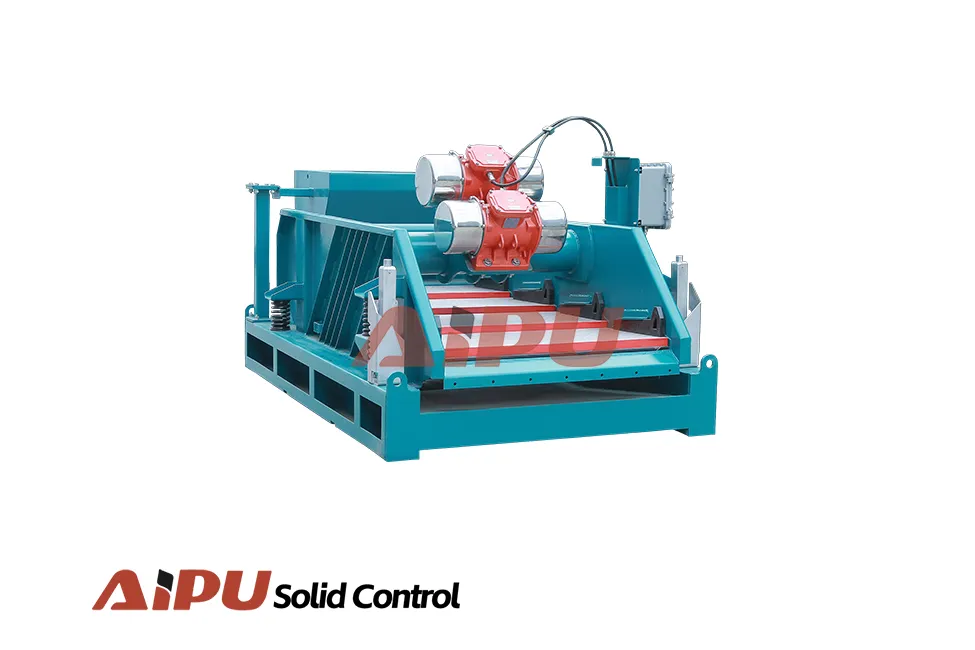
Efficient drilling fluid management is a cornerstone of successful drilling operations, impacting everything from drilling performance to operational costs and environmental compliance. At the forefront of this management system is the shale shaker, a critical piece of equipment that serves as the first line of defense in solids control. This article explores the vital role shale shakers play in optimizing drilling fluid management and enhancing overall drilling efficiency.
1. Primary Solids Removal: The First Line of Defense
Shale shakers are responsible for removing the majority of drilled solids from the returning drilling fluid before it proceeds to downstream separation equipment. This primary separation step is crucial because:
- It removes up to 70-80% of the total solids in the drilling fluid
- It reduces the burden on secondary and tertiary separation equipment (desanders, desilters, centrifuges)
- It prevents large particles from damaging downstream equipment
- It maintains optimal fluid properties for efficient drilling
By effectively removing drilled cuttings at the first stage, shale shakers significantly improve the efficiency of the entire solids control system, leading to better drilling fluid management.
2. Maintaining Drilling Fluid Properties
Drilling fluid (mud) performs several critical functions in drilling operations, including cooling and lubricating the drill bit, carrying cuttings to the surface, maintaining wellbore stability, and controlling formation pressure. To perform these functions effectively, drilling fluid must maintain specific properties such as:
- Density
- Viscosity
- pH level
- Filtration properties
Contaminated drilling fluid with high solids content can cause:
- Increased fluid density, leading to well control issues
- Higher viscosity, reducing fluid flow and increasing pumping costs
- Reduced hole cleaning efficiency
- Increased wear on drilling equipment
Shale shakers help maintain optimal fluid properties by removing drilled solids that would otherwise contaminate the fluid, ensuring consistent drilling performance and reducing the need for frequent fluid treatment or replacement.
3. Reducing Drilling Fluid Costs
Drilling fluid represents a significant portion of drilling operational costs, especially in deepwater and unconventional drilling operations. Shale shakers contribute to cost reduction in several ways:
- Fluid Recovery: By removing solids from the returning fluid, shale shakers allow the cleaned fluid to be reused, reducing the need for fresh fluid makeup
- Reduced Chemical Additives: Clean fluid requires fewer chemical additives to maintain its properties, further reducing costs
- Extended Fluid Life: Effective solids removal extends the overall life of the drilling fluid, delaying the need for complete fluid replacement
- Reduced Waste Disposal: By concentrating solids, shale shakers reduce the volume of waste that needs to be disposed of, lowering disposal costs and environmental impact
These cost-saving benefits make the shale shaker an essential component of efficient drilling fluid management, providing a significant return on investment over the life of a drilling project.
4. Protecting Downstream Equipment
Downstream solids control equipment such as desanders, desilters, and centrifuges are designed to handle smaller particle sizes and are more sensitive to damage from large particles. A well-performing shale shaker protects this equipment by:
- Removing large particles that could cause wear or blockage in downstream equipment
- Reducing the solids loading on downstream equipment, allowing them to operate more efficiently
- Extending the service life of downstream equipment components
- Minimizing downtime for maintenance and repairs on downstream equipment
By protecting downstream equipment, shale shakers contribute to overall system reliability and reduce operational costs associated with equipment maintenance and replacement.
5. Enhancing Drilling Performance
Efficient drilling fluid management directly impacts drilling performance. A well-maintained drilling fluid system with an effective shale shaker provides several performance benefits:
- Faster Drilling Rates: Clean drilling fluid with optimal properties allows for faster penetration rates
- Improved Hole Cleaning: Effective solids removal ensures the drilling fluid can efficiently carry cuttings to the surface
- Reduced Sticking Risk: Clean fluid reduces the risk of differential sticking, a common drilling problem that can cause significant downtime
- Better Wellbore Stability: Maintaining proper fluid properties helps prevent wellbore collapse and other stability issues
These performance enhancements translate to reduced drilling time, lower operational costs, and improved overall project efficiency.
6. Supporting Environmental Compliance
Modern drilling operations face increasingly stringent environmental regulations regarding drilling waste management. Shale shakers play a crucial role in environmental compliance by:
- Minimizing the volume of drilling waste generated
- Reducing the need for chemical treatments that could have environmental impacts
- Enabling more efficient waste handling and disposal
- Preventing fluid spills and leaks through proper fluid management
By supporting environmental compliance, shale shakers help drilling operators avoid costly fines and maintain a positive environmental reputation.
7. Optimizing System Integration
In modern solids control systems, shale shakers are designed to work seamlessly with other equipment to create an integrated fluid management solution. This integration includes:
- Proper sizing and configuration to match the overall system capacity
- Compatibility with downstream equipment
- Integration with control systems for automated operation
- Ability to handle varying drilling conditions and fluid types
An integrated approach to solids control, with the shale shaker as its foundation, ensures optimal performance of the entire drilling fluid management system.
Conclusion
The role of the shale shaker in efficient drilling fluid management cannot be overstated. As the first line of defense in solids control, it performs critical functions that impact every aspect of drilling operations, from fluid properties and equipment protection to cost reduction and environmental compliance.
Investing in a high-quality, properly sized shale shaker, combined with regular maintenance and optimization, can significantly improve drilling fluid management efficiency, reduce operational costs, and enhance overall drilling performance. As drilling operations continue to evolve and face new challenges, the importance of the shale shaker in efficient drilling fluid management will only continue to grow.
At AIPU Solids Control, we understand the critical role of shale shakers in drilling fluid management. Our comprehensive range of shale shakers is designed to meet the diverse needs of modern drilling operations, providing reliable performance, efficient solids removal, and optimal fluid management for improved drilling efficiency and cost-effectiveness.