
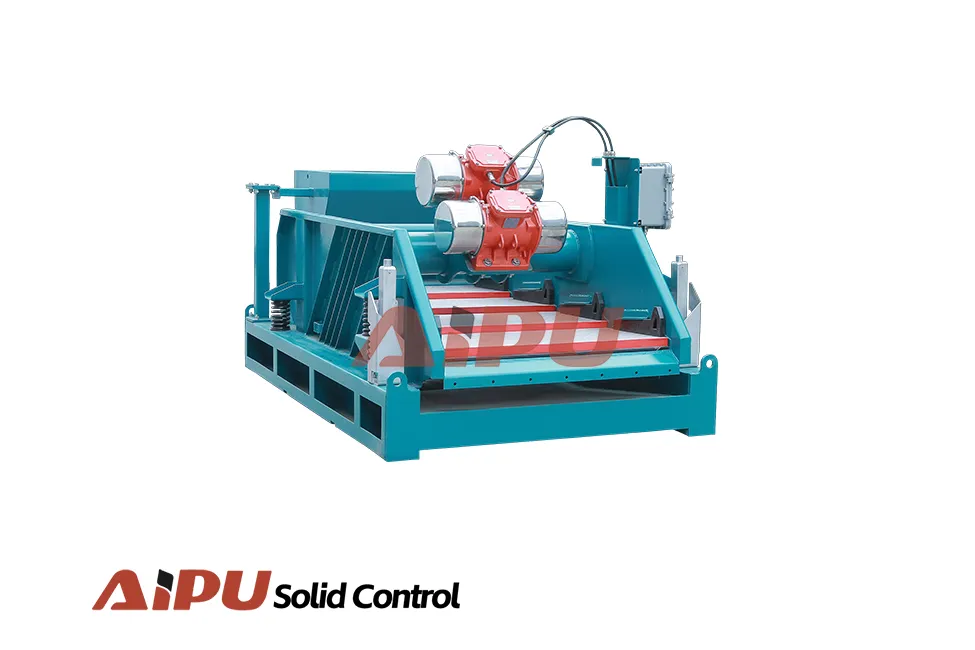
In the world of drilling operations, every component plays a critical role in determining overall productivity. Among these components, the shale shaker stands out as a foundational element of the solids control system. The efficiency of a shale shaker directly impacts drilling productivity, operational costs, and environmental compliance. This article explores the multifaceted relationship between shale shaker efficiency and overall drilling productivity.
1. Shale Shaker Efficiency: The Foundation of Solids Control
Shale shakers are the first line of defense in the solids control process, responsible for removing 70-80% of drilled solids from the returning drilling fluid. This primary separation step sets the stage for the entire solids control system. Efficient shale shakers ensure that:
- Large solids are removed before the fluid reaches downstream equipment
- Drilling fluid properties are maintained within optimal ranges
- Downstream equipment is protected from unnecessary wear and tear
- Fluid recovery rates are maximized
When a shale shaker operates inefficiently, it creates a domino effect that impacts the entire drilling operation.
2. Direct Impact on Drilling Fluid Properties
Efficient shale shakers play a crucial role in maintaining optimal drilling fluid properties. Drilling fluid with high solids content can cause:
- Increased Viscosity: Higher viscosity reduces fluid flow, increasing pumping costs and decreasing hole cleaning efficiency
- Excessive Density: Too much density can lead to well control issues and increased formation damage
- Poor Filtration: Contaminated fluid doesn't filter properly, leading to formation damage and wellbore instability
- Corrosion: High solids content can accelerate corrosion of downhole equipment
By efficiently removing drilled solids, shale shakers help maintain the proper balance of drilling fluid properties, ensuring optimal drilling performance.
3. Reducing Downtime and Maintenance Costs
Inefficient shale shakers contribute to increased downtime and maintenance costs in several ways:
- Frequent Screen Changes: Inefficient shakers often require more frequent screen replacements, leading to downtime and increased consumable costs
- Downstream Equipment Failure: Poor solids removal increases wear on desanders, desilters, and centrifuges, leading to more frequent breakdowns and repairs
- Drilling Fluid Treatment: Contaminated fluid requires more chemical treatments to maintain properties, increasing costs and downtime
- Wellbore Issues: Poor fluid properties can lead to wellbore instability, stuck pipe, and other drilling problems that cause significant downtime
An efficient shale shaker reduces these issues, keeping the drilling operation running smoothly and minimizing costly downtime.
4. Enhancing Drilling Performance Metrics
Shale shaker efficiency directly impacts key drilling performance metrics:
- Rate of Penetration (ROP): Clean drilling fluid with optimal properties allows for faster drill bit penetration, increasing ROP and reducing drilling time
- Hole Cleaning Efficiency: Efficient solids removal ensures that the drilling fluid can effectively carry cuttings to the surface, preventing cuttings bed formation and stuck pipe
- Wellbore Quality: Maintaining proper fluid properties helps create a stable, high-quality wellbore, reducing the need for remedial work
- Bit Life: Clean fluid reduces abrasive wear on drill bits, extending their service life and reducing replacement costs
Improvements in these metrics translate directly to increased drilling productivity and reduced operational costs.
5. Lowering Drilling Fluid Costs
Drilling fluid is one of the largest operational costs in drilling, and shale shaker efficiency has a significant impact on these costs:
- Fluid Recovery: Efficient solids removal allows more fluid to be recovered and reused, reducing the need for fresh fluid makeup
- Chemical Additives: Clean fluid requires fewer chemical additives to maintain its properties, reducing chemical costs
- Fluid Disposal: By concentrating solids, efficient shale shakers reduce the volume of fluid that needs to be disposed of, lowering disposal costs
- Extended Fluid Life: Effective solids removal extends the overall life of the drilling fluid, delaying the need for complete fluid replacement
These cost savings can be substantial, especially in long-term drilling projects where fluid costs can account for a significant portion of the budget.
6. Environmental Compliance and Sustainability
Shale shaker efficiency also plays a role in environmental compliance and sustainability:
- Reduced Waste Generation: Efficient solids removal reduces the volume of drilling waste that needs to be handled and disposed of
- Lower Chemical Usage: With fewer chemical additives needed, there's less potential for environmental contamination
- Water Conservation: In water-based mud systems, efficient fluid recovery reduces the need for fresh water, conserving this valuable resource
- Reduced Emissions: Less downtime and more efficient operations mean fewer emissions from drilling equipment
By improving shale shaker efficiency, drilling operators can reduce their environmental footprint while also improving their bottom line.
7. Optimizing Shale Shaker Efficiency
To maximize shale shaker efficiency and, consequently, drilling productivity, operators should focus on:
- Screen Selection: Choose the right screen mesh size and type for the specific drilling conditions and fluid type
- Proper Maintenance: Regularly inspect and maintain the shaker, including checking vibration motors, deck alignment, and screen tension
- Optimal Operating Parameters: Adjust vibration intensity, deck angle, and feed rate to match drilling conditions
- Quality Equipment: Invest in high-quality shale shakers with robust construction and advanced features
- Training: Ensure operators are properly trained to operate and maintain the shale shaker efficiently
- Monitoring and Optimization: Use monitoring systems to track shaker performance and make real-time adjustments
By implementing these optimization strategies, operators can significantly improve shale shaker efficiency and overall drilling productivity.
8. The Economic Impact of Shale Shaker Efficiency
The economic benefits of efficient shale shakers extend beyond immediate cost savings. Improved efficiency leads to:
- Faster Project Completion: Increased ROP and reduced downtime mean projects are completed faster, generating revenue sooner
- Lower Total Drilling Costs: Reduced fluid costs, maintenance costs, and downtime all contribute to lower total drilling costs
- Improved Project Economics: Lower costs and faster completion times improve the overall economics of drilling projects
- Competitive Advantage: Operators with more efficient operations can bid more competitively on drilling contracts
These economic benefits make investing in shale shaker efficiency a smart business decision for drilling operators.
Conclusion
Shale shaker efficiency is a critical factor that directly impacts overall drilling productivity. From maintaining optimal drilling fluid properties to reducing downtime and maintenance costs, efficient shale shakers play a pivotal role in the success of drilling operations.
By understanding the relationship between shale shaker efficiency and drilling productivity, and by implementing optimization strategies, drilling operators can achieve significant improvements in their operations. Investing in high-quality shale shakers and focusing on efficient operation and maintenance can lead to lower costs, faster drilling times, and improved project economics.
As drilling operations continue to face increasing challenges and cost pressures, optimizing shale shaker efficiency will become even more important. By making shale shaker efficiency a priority, operators can position themselves for success in today's competitive drilling environment.