
Introduction
Ensuring reliable and efficient power delivery to shale shakers is a fundamental yet critical aspect of drilling operations. Proper electrical infrastructure directly impacts solids control efficiency, equipment longevity, and overall rig safety. This article outlines the basic electrical requirements for modern shale shakers, focusing on specifications that drilling engineers must consider for optimal performance in demanding oilfield environments.
Technical Working Principle
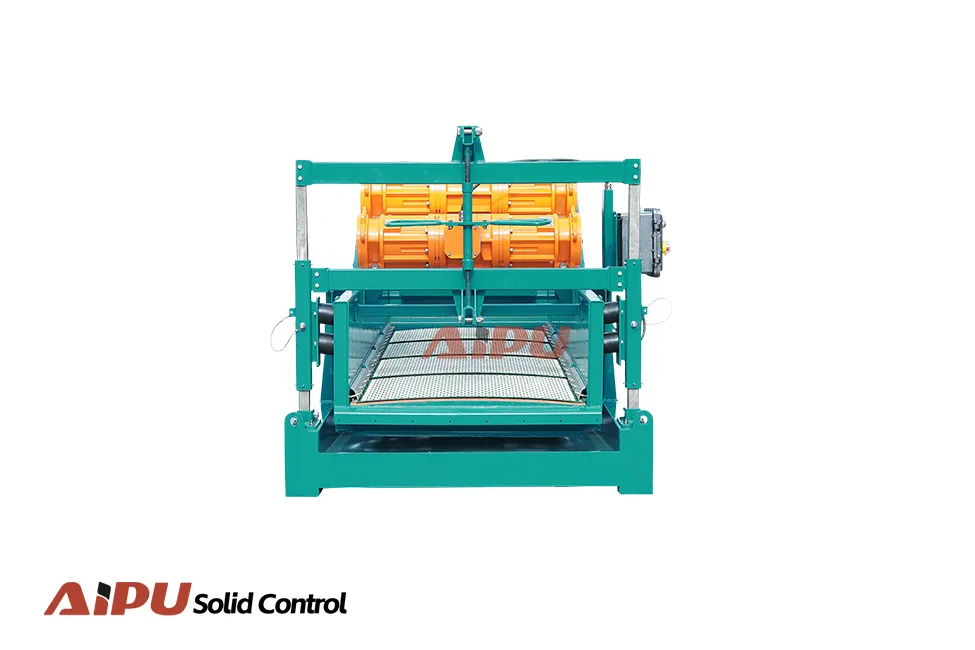
Shale shakers utilize high-G linear or elliptical motion generated by vibrating motors. These motors require a stable and correctly configured electrical supply to maintain the precise vibrational forces necessary for effective solids separation. Inconsistent voltage or frequency can lead to poor separation efficiency, increased screen wear, and potential motor failure.
Key Components and Specifications
The primary electrical system consists of the power source, distribution, and the shaker's drive motors. Key specifications include:
- Voltage & Phase: Common requirements are 460V AC, 60 Hz, 3-phase power, though 230V and 50 Hz configurations exist for specific regions.
- Motor Specifications: Dual vibrating motors typically range from 2-5 HP each, with specific amperage draws detailed on the motor nameplate.
- Enclosure Ratings: Control panels and junction boxes must have a minimum NEMA 4 or IP56 rating for water and dust ingress protection.
- Circuit Protection: Properly sized circuit breakers or motor starters with overload protection are mandatory for each motor.
Operational Benefits of Proper Electrical Setup
Adhering to manufacturer specifications delivers tangible field benefits. A stable power supply ensures consistent screen vibration, leading to optimal solids removal, reduced drilling fluid losses, and longer screen life. This directly translates to lower operational costs and minimized non-productive time (NPT) due to equipment malfunction.
Industry Applications and Site Considerations
Electrical design must account for the application. On offshore platforms, systems must withstand corrosive saltwater environments. For land rigs, especially in remote locations, voltage stability from generator sets is a primary concern. Proper grounding and bonding are non-negotiable across all sites to prevent electrocution hazards in wet conditions.
Maintenance Considerations
Regular electrical maintenance is crucial for safety and performance. Key practices include:
- Inspecting cables and connections for wear, corrosion, or overheating.
- Verifying motor amperage draw against nameplate values during operation.
- Ensuring control panel seals remain intact to maintain environmental ratings.
- Periodically checking the integrity of all grounding connections.
Conclusion
Robust electrical design is the backbone of reliable shale shaker technology. By rigorously applying correct voltage, phase, protection, and environmental specifications, drilling engineers can maximize separation efficiency, achieve significant cost savings, and ensure a safer rig site. As shaker technology evolves towards higher G-forces and automation, the importance of a clean, stable, and well-maintained electrical supply only increases.