
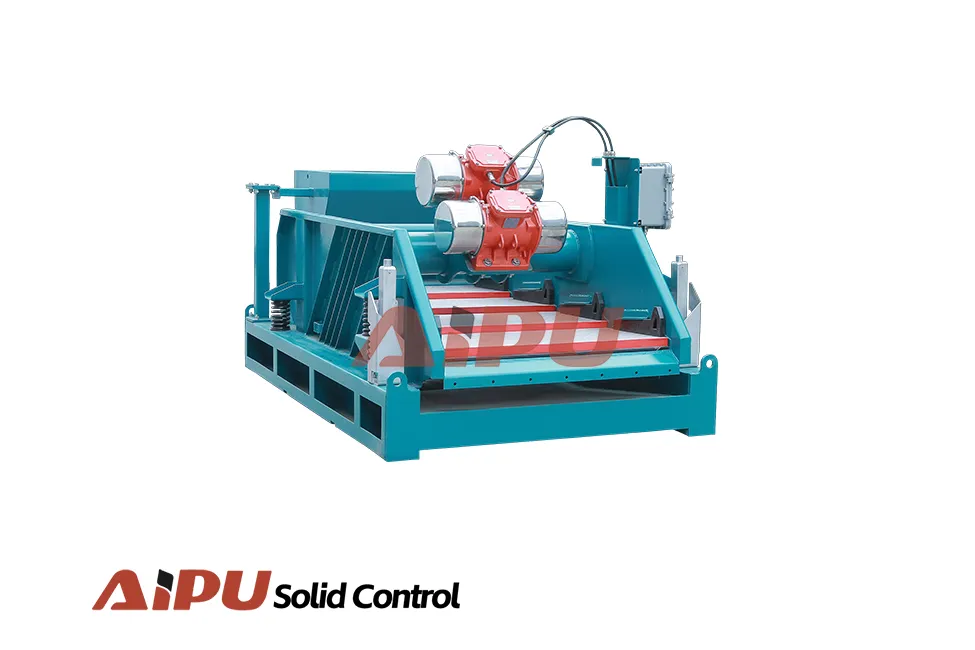
Introduction to shale shaker Separation
Shale shakers are the primary and most critical solids control equipment in drilling fluid systems. Their fundamental purpose is to remove large drilled solids (typically >74 microns) from the drilling mud using vibratory screening. Efficient separation is paramount for maintaining mud properties, protecting downstream equipment, and reducing overall drilling costs. This article delves into the core physics and practical applications governing shale shaker performance.
Technical Working Principle: Vibration and Screening
The separation physics hinge on a two-part mechanism: stratified motion and screen conveyance. The shaker's vibrating basket, driven by eccentric motors, creates a high-G, elliptical motion. This action stratifies the mud slurry, forcing heavier solids to the top of the fluid bed. Simultaneously, the vibration conveys the separated solids toward the discharge end while liquid and finer particles pass through the screen mesh.
- Stratification: Solids migrate upward through the fluid bed due to differential acceleration.
- Conveyance: The basket's tilt and vibratory pattern transport solids off the screen deck.
- Liquid Passing: Clean mud falls through the screen openings governed by mesh size and fluid properties.
Key Components and Specifications
Performance is dictated by precise engineering of core components. Key specifications include screen mesh count (API 80 to API 200+), vibration intensity (measured in G-force), deck angle, and motor power. Modern shakers often feature multi-deck configurations for staged separation, increasing overall fluid capacity and solids removal efficiency.
- Screen Panels: Composite, pretensioned panels with specific mesh and conductance ratings.
- Vibratory Motors: Adjustable RPM and eccentric weights to control G-force and pattern.
- Basket Design: Flow-back pans and deck angle adjustments optimize fluid retention time.
Operational Benefits and Cost Savings
Effective shale shaker operation delivers direct economic benefits. By removing a maximum of drilled solids at the first available opportunity, it preserves the chemical and physical properties of the drilling fluid. This reduces dilution requirements, minimizes waste volume, and extends the life of centrifugal pumps, degassers, and desilters. The result is significant savings on mud costs, disposal fees, and equipment maintenance.
Industry Applications and Technological Innovations
Shale shaker technology has evolved to meet challenges from unconventional drilling. High-speed, linear-motion shakers are standard for high-flow rate operations. Innovations include fine-screen capabilities (down to API 250), improved screen life through non-blinding coatings, and integration with IoT for real-time monitoring of vibration metrics and screen integrity, enabling predictive maintenance.
Maintenance Considerations for Peak Efficiency
Consistent performance requires disciplined maintenance. Regular inspection of screen integrity, tension, and seal condition is critical. Motors should be checked for consistent RPM and alignment. Operators must ensure feed distribution is even across the screen width to prevent localized wear and bypass. Proper screen selection for the specific mud weight and formation is essential to balance separation fineness with acceptable screen life.
Conclusion
Understanding the separation physics of shale shakers is fundamental to optimizing solids control. The interplay of vibration, screen technology, and fluid dynamics directly impacts drilling efficiency and cost. By leveraging proper equipment specifications, operational practices, and emerging monitoring technologies, drilling engineers can ensure their shale shakers perform as the vital first line of defense in maintaining drilling fluid integrity and overall wellbore economics.