
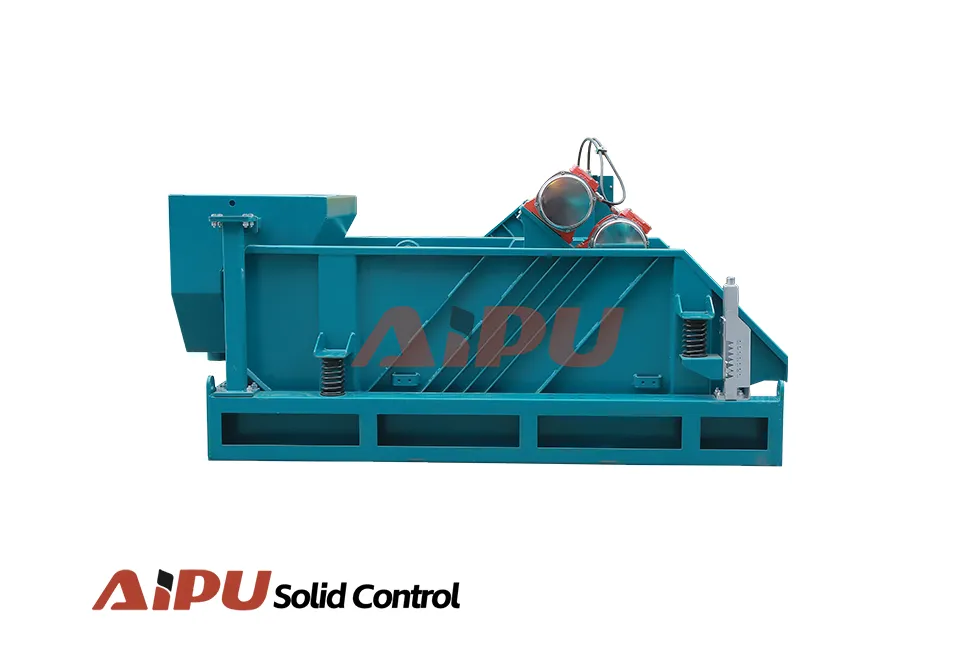
Introduction
In modern drilling operations, the shale shaker serves as the primary and most critical solids control device. Its primary function is to remove large drilled cuttings from the drilling fluid (mud) using high-frequency vibration, ensuring the fluid's properties are maintained for efficient wellbore pressure control, lubrication, and cuttings transport. Effective shale shaker operation directly impacts overall drilling efficiency, cost management, and environmental compliance.
Technical Working Principle
Shale shakers operate on the principle of vibratory screening. A high-speed vibrator, typically an electric or hydraulic motor with eccentric weights, imparts a high-frequency, low-amplitude motion to a screen deck. This motion stratifies the fluid and solids, forcing the liquid and fine particles through the screen mesh while conveying larger cuttings off the discharge end. Modern units often utilize linear or elliptical motion patterns to optimize fluid throughput and solids conveyance.
Key Components and Specifications
Critical components define shaker performance and application suitability. Key specifications include:
- Screen Deck: Single, double, or triple configurations with pretensioned polyurethane or composite pyramid screens.
- Vibration Mechanism: Balanced elliptical or linear vibrators with adjustable frequency (0-25 G-force) and stroke.
- Drive System: Electric (440V/60Hz) or hydraulic motor drives for hazardous environments.
- Capacity: Rated flow rates from 500 to 1,200+ gallons per minute (GPM) per unit.
- Screen Mesh: Range from coarse (API 20-30) to ultra-fine (API 200+), selected based on mud weight and formation.
Operational Benefits
Deploying efficient shale shaker technology yields substantial field benefits.
- Mud Conservation: Effective solids removal reduces dilution and chemical treatment costs.
- Reduced Downtime: Protects downstream equipment (desanders, desilters, centrifuges) from abrasive wear.
- Improved ROP: Cleaner mud enhances rate of penetration by improving hydraulics and bit cooling.
- Cost Savings: Lowers total fluid system costs, waste disposal volumes, and associated logistics.
Industry Applications
Shale shakers are foundational across all drilling environments. On high-pressure, high-temperature (HPHT) wells, they are critical for maintaining precise mud weight. In directional and horizontal drilling, they manage increased solids loading. For water-based and synthetic-based muds (SBM), specific screen configurations prevent fluid loss. Their use is non-negotiable in meeting zero-discharge environmental regulations by minimizing total waste.
Maintenance Considerations
Proactive maintenance ensures peak shaker performance and longevity. Daily checks should include screen integrity, tension, and wear. Regular lubrication of vibrator bearings is essential. Operators must monitor for plugged screens, which reduce capacity and cause fluid overflow. Maintaining proper feed distribution and angle of the deck is crucial for optimal solids conveyance and fluid processing.
Conclusion
The shale shaker remains an indispensable technology in the drilling fluids processing train. Its direct impact on fluid performance, operational efficiency, and cost control underscores its value. Continued innovations in screen technology, motion dynamics, and automation promise even greater reliability and performance, solidifying its role as the first line of defense in solids control for the foreseeable future.