
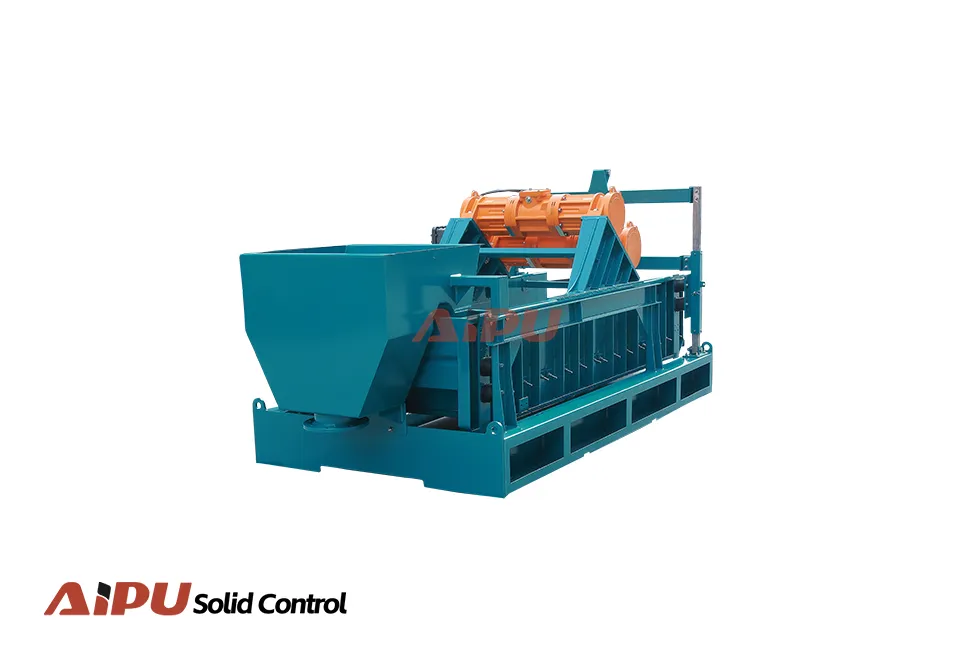
Introduction to shale shaker Functionality
The shale shaker serves as the primary and most critical solid control equipment on any drilling rig. Its fundamental purpose is to separate drilled cuttings from the drilling fluid (mud) using high-frequency vibration and sized screen panels. Efficient separation is paramount for maintaining mud properties, reducing downstream equipment wear, and minimizing waste volumes, directly impacting overall drilling economics and operational safety.
Technical Working Principle of Separation
Separation is achieved through a combination of mechanical and gravitational forces. The shaker's vibrating basket, fitted with wire mesh screens, receives the weighted mud-cuttings mixture. High-frequency, linear or elliptical motion fluidizes the mud, forcing it through the screen apertures. Larger solids, unable to pass through, are conveyed up the deck and discharged. The screen mesh size (measured in API mesh or microns) is the primary determinant of the cut point, defining the smallest particle size effectively removed.
Common Materials Separated by Shale Shakers
The shaker's primary target is the removal of drilled formation solids. The specific materials separated vary with the geology and bit type.
- Coarse Cuttings: Large rock fragments (often >1000 microns) from the drill bit action, including shale, sandstone, and limestone.
- Fine Solids: Silts and clays (10-75 microns) that can drastically increase mud viscosity and density if not controlled.
- Gumbo: Sticky, plastic clays that can blind screens, requiring specialized screen technology or pre-treatment.
- Man-Made Debris: Lost circulation material (LCM), rubber from drill pipe protectors, and minor metallic wear particles.
Operational Benefits and Efficiency Gains
Effective solids control at the shaker delivers direct operational and financial benefits. It preserves the chemical and physical properties of the expensive drilling fluid, reducing dilution and treatment costs. By removing abrasive solids, it significantly extends the service life of downstream pumps, valves, and the entire mud system. Furthermore, efficient separation reduces the volume of waste for disposal, lowering environmental footprint and associated costs.
Industry Applications and Technological Innovations
Shale shaker technology has evolved to meet the demands of complex drilling environments. In high-pressure, high-temperature (HPHT) and deepwater operations, robust, multi-deck shakers are standard. Innovations include:
- Fine-Screen Capability: Advanced motion and screen designs allow consistent use of 200+ mesh screens for ultra-fine solids removal.
- Screen Blinding Prevention: Anti-blinding systems, such as positive or negative pressure screens, combat gumbo adhesion.
- Automation & Monitoring: Integrated sensors for vibration monitoring, flow tracking, and performance optimization.
Maintenance Considerations for Peak Performance
Consistent maintenance is non-negotiable for reliable separation. Key focus areas include daily inspection and replacement of worn screen panels to maintain cut-point integrity. Regular checking of vibration motor mounts, motor oil levels, and belt tension ensures proper motion. Keeping spray bars and fluid distribution systems clean is essential for optimal screen utilization and preventing dry spots or bypass.
Conclusion
The shale shaker remains the indispensable first line of defense in solids control. Its ability to efficiently separate a wide range of drilled solids directly governs mud performance, equipment longevity, and well economics. Continued innovation in screen technology, motion dynamics, and system integration ensures shale shakers will adapt to meet the evolving challenges of modern, cost-conscious drilling operations.