
Introduction
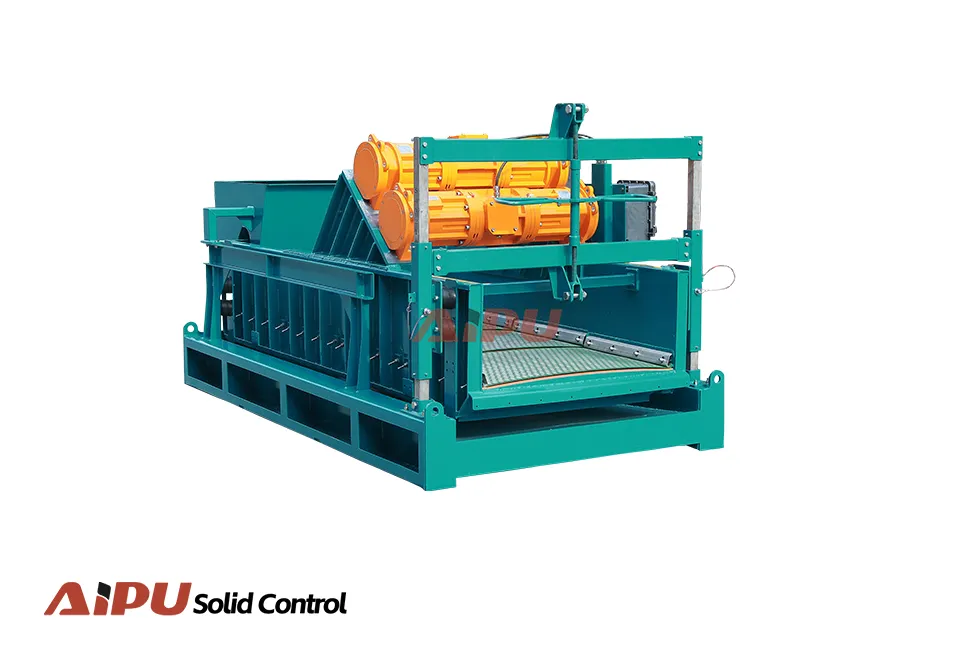
shale shakers are the primary and most critical solids control equipment in any drilling fluid system. Their performance directly impacts drilling efficiency, fluid costs, and overall wellbore stability. However, operational problems can lead to significant downtime and financial loss. This article outlines common shale shaker issues, their root causes, and practical troubleshooting steps for drilling engineers.
Technical Working Principle
Shale shakers utilize high-frequency, linear or elliptical motion to convey drilled solids across a vibrating screen surface. The goal is to achieve maximum solids removal (peak "dryness") while retaining valuable liquid and chemicals in the active system. Problems often arise from deviations in motion, screen integrity, or feed conditions, compromising this separation efficiency.
Common Problems and Troubleshooting
Effective troubleshooting requires a systematic approach. Below are key issues and their remedies.
- Poor Solids Conveyance: Solids pile at the feed end. Check screen tension, ensure correct motor rotation (phasing), and verify the vibration motor weights are set identically. Inspect for worn screen panel seals.
- Excessive Fluid Loss: Fluid follows solids off the screen. This typically indicates a torn screen, improper screen mesh for the solids load, or insufficient screen deck angle. Immediately replace damaged screens and review mesh selection.
- Short Screen Life: Premature screen failure increases costs. Causes include improper tensioning, abrasive solids, chemical attack, or overloading. Adhere to manufacturer tension specs (often 18-22 lbf/inch) and ensure correct flow distribution.
Mechanical and Electrical Faults
Vibration system failures are critical. Abnormal noise or decreased vibration intensity often points to failing bearings or motor imbalance. Regularly monitor motor amperage; a significant drop can indicate sheared motor keys or drive belt slippage. Always lock out/tag out equipment before inspection.
Optimization for Cost Savings
Proactive shaker management directly reduces costs. Optimizing screen selection (blinding vs. wear) for the formation being drilled minimizes fluid losses. Utilizing fine screens (e.g., 200+ mesh) where possible improves solids removal, reducing downstream equipment wear and dilution costs. Implementing a robust inspection routine for screen panels, gaskets, and vibration isolators prevents catastrophic failure.
Conclusion
Maintaining peak shale shaker performance is non-negotiable for efficient drilling operations. Most common problems—from poor conveyance to screen failure—are preventable through diligent monitoring, proper maintenance, and operator training. By systematically addressing these issues, drilling engineers can ensure optimal solids control, significantly lowering total fluid costs and enhancing overall drilling performance.