
Introduction
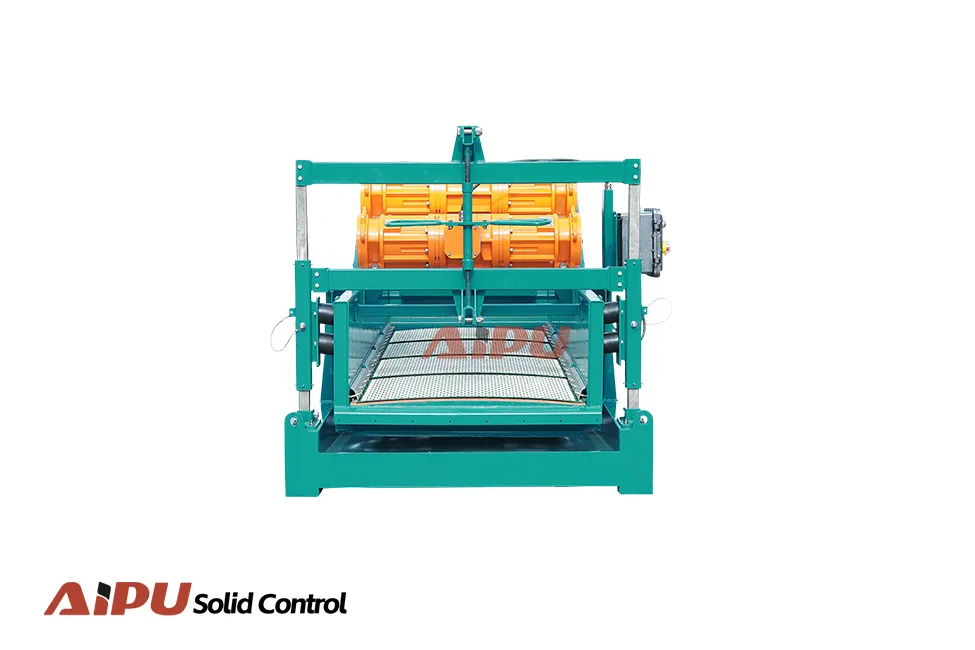
The double deck shale shaker represents a critical evolution in primary solids control, offering enhanced separation efficiency for modern drilling operations. By utilizing two stacked screening surfaces, this configuration provides superior solids removal and finer cuttings management compared to single-deck units, directly impacting drilling fluid performance and overall well economics.
Technical Working Principle
This shaker employs a sequential screening process. The upper deck, typically fitted with a coarser mesh screen (e.g., 80-100 API), removes the larger cuttings and gumbo. The partially processed fluid and smaller solids then cascade onto the lower deck, which is fitted with a finer mesh (e.g., 150-200+ API). This staged separation prevents rapid blinding of the fine screens, maximizing both throughput and the removal of detrimental low-gravity solids.
Key Components and Specifications
Core components include a high-G linear motion vibrator, two independent screen panels per deck, and a robust, balanced basket. Key specifications vary by manufacturer but focus on:
- Vibration G-force: 4.5-7.0 G for optimal solids conveyance and fluid throughput.
- Deck Angle: Adjustable for flow rate and solids loading optimization.
- Screen Panel Size: Standard sizes (e.g., 1250mm x 915mm) for interchangeability.
- Motor Power: Typically 5-10 HP dual-motor systems for synchronized linear motion.
Operational Benefits
The primary advantage is a significant reduction in low-gravity solids (LGS) content in the drilling fluid. This yields substantial downstream benefits:
- Enhanced drilling fluid properties (rheology, density control).
- Reduced dilution and chemical treatment costs.
- Extended equipment life for pumps, bits, and downstream solids control equipment.
- Improved ROP through cleaner, more efficient fluid at the bit.
Industry Applications
Double deck shakers are particularly advantageous in challenging drilling environments. They are essential for:
- High-pressure, high-temperature (HPHT) wells where fluid stability is paramount.
- Extended-reach drilling (ERD) with high solids loading.
- Operations using expensive synthetic-based mud (SBM) to maximize fluid recovery.
- Geothermal and deepwater projects requiring precise solids control.
Maintenance Considerations
While offering superior performance, double deck units require diligent maintenance. Key focus areas include regular inspection of screen tension, timely screen replacement on both decks, and monitoring vibrator motor amperage for signs of imbalance or wear. Proper tensioning is critical to prevent premature screen failure and maintain separation efficiency.
Conclusion
Integrating a double deck shale shaker into the solids control system is a proven strategy for optimizing drilling fluid management. By delivering finer separation and higher efficiency, this technology directly reduces operational costs, mitigates drilling risks, and enhances overall well construction performance, making it a valuable asset for demanding drilling programs.