
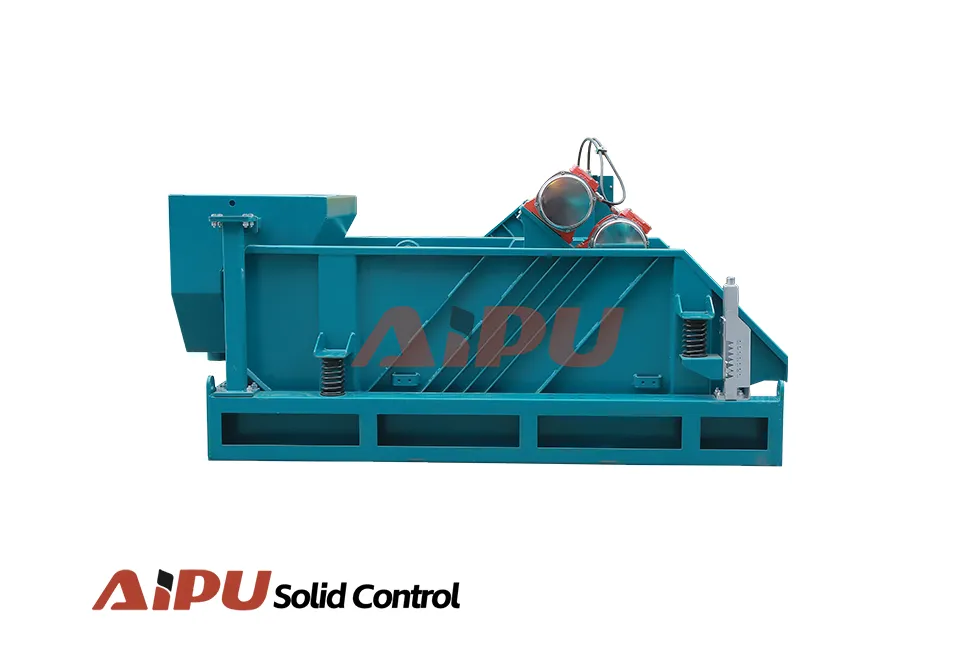
Introduction
shale shaker efficiency is paramount to modern drilling operations, directly impacting solids control performance, drilling fluid costs, and overall wellbore economics. As the primary and most critical stage of solids removal, the shaker's ability to separate drilled cuttings from valuable drilling fluid influences downstream equipment performance and total cost per foot. Optimizing this efficiency requires a detailed understanding of the interdependent factors at play.
Technical Working Principle
Shale shakers separate solids via high-frequency, multi-dimensional vibration of layered screen panels. The drilling fluid slurry is conveyed across the screen surface; undersized particles and liquid pass through as "throughput," while oversized cuttings are transported off the discharge end. Efficiency is governed by the G-force, screen motion (linear, elliptical, or balanced elliptical), and fluid retention time, which must be balanced to prevent screen blinding and maximize solids conveyance.
Key Components and Specifications
Critical specifications defining shaker capability and efficiency include:
- Vibration Motors: Generate G-forces typically ranging from 4.5G to 7.5G. Higher G-forces improve separation of fine solids but increase screen wear.
- Screen Panels: Mesh size (API 20 to API 325+), layer count (single to multi-layer), and panel type (hook-strip, pretensioned) directly control cut-point.
- Deck Configuration: Single, double, or triple decks allow for staged separation, progressively finer screening.
- Flow Capacity: Rated in gallons per minute (GPM), must match maximum circulation rates to avoid overflow.
Operational Benefits of Optimization
Efficient shale shaker operation delivers tangible field benefits:
- Reduces drilling fluid losses by up to 10%, yielding significant cost savings.
- Protects downstream equipment (desanders, desilters, centrifuges) from excessive wear.
- Improves wellbore stability by maintaining consistent mud weight and rheology.
- Minimizes waste volume for disposal, reducing environmental footprint and associated costs.
Industry Applications and Trends
Shale shaker technology continuously evolves to meet challenging applications. In high-pressure, high-temperature (HPHT) and extended-reach drilling (ERD), shakers must handle oil-based muds (OBM) with high plastic viscosity. The trend toward finer meshes (API 200 and above) for improved solids control in weighted muds demands robust, high-G shakers. Integration with IoT sensors for real-time monitoring of vibration, screen integrity, and flow rates is becoming standard for predictive maintenance.
Maintenance Considerations
Proactive maintenance is essential for sustained efficiency. Key practices include:
- Regular inspection and replacement of screen panels based on wear and tear, not on a fixed schedule.
- Checking motor mounts, vibration isolators, and tensioning systems for integrity.
- Ensuring proper feed distribution and weir height to achieve full screen utilization.
- Calibrating vibration motors to maintain designed G-force and motion.
Conclusion
Maximizing shale shaker efficiency is a systems engineering challenge, requiring careful selection of equipment specifications matched to drilling fluid properties and well objectives. By understanding the interplay of G-force, screen selection, and flow dynamics, drilling engineers can significantly lower non-productive time (NPT) and fluid-related costs. As drilling fluids become more complex and environmental regulations tighten, the role of optimized shale shaker technology as the first line of defense in solids control will only grow in importance.