
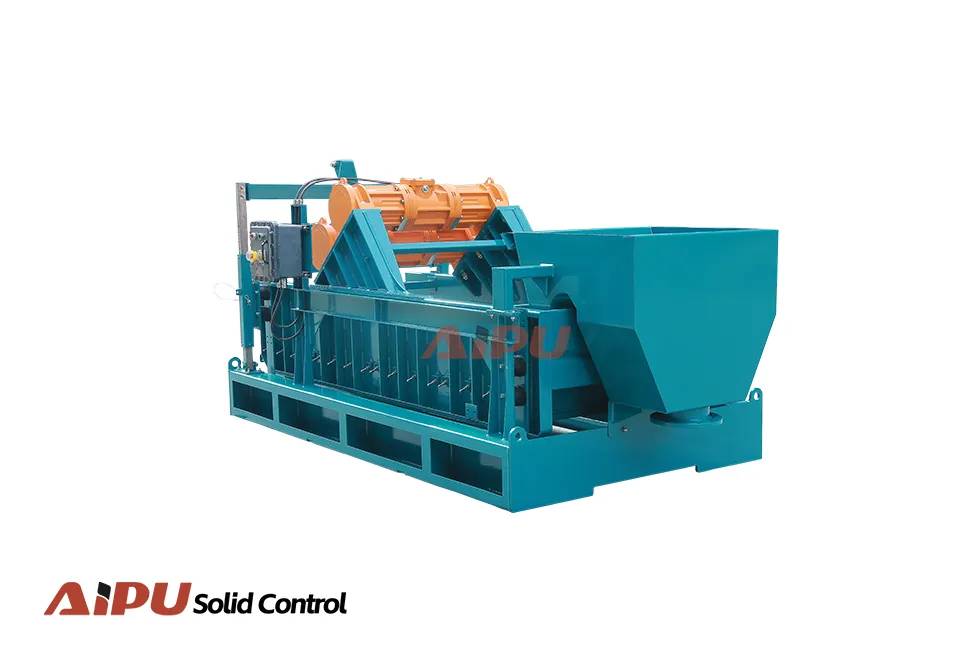
Introduction to shale shaker Function in Solids Control
The shale shaker is the primary and most critical component of any drilling fluid solids control system. Its primary function is to remove large drilled solids, typically those exceeding 74 microns (API 200 mesh), from the circulating drilling fluid (mud) as it returns from the wellbore annulus. Efficient primary separation is paramount for maintaining mud properties, protecting downstream equipment, and ensuring overall drilling efficiency and cost-effectiveness.
Technical Working Principle: Vibratory Separation
A shale shaker operates on the principle of vibratory screening. The returning mud is flowed onto a vibrating screen surface. The combination of high-frequency, linear or elliptical motion and screen inclination creates a transport mechanism for solids while allowing liquid and finer particles to pass through. Key parameters governing separation include vibration intensity (G-force), screen mesh size, and deck angle, all optimized for the specific mud weight and formation type.
Key Components and Technical Specifications
Modern shale shakers consist of several precision-engineered components. Understanding their specifications is crucial for selection and operation.
- Vibratory Motors: Generate 4.0 to 7.5 G's of acceleration, with adjustable frequency for optimal solids conveyance.
- Screening Surface: Layered, pretensioned screen panels with mesh sizes from API 20 to API 325. Common configurations use a coarse screen over a finer screen (hook-strip design).
- Deck Configuration: Single, double, or triple decks for staged separation, increasing fluid capacity and solids removal efficiency.
- Flow Capacity: Rated in gallons per minute (GPM), with high-capacity units handling over 1,500 GPM of weighted mud.
Operational Benefits and Cost Savings
Properly functioning shale shakers deliver direct economic and operational advantages.
- Mud Conservation: Efficient solids removal reduces the need for costly dilution and chemical treatment, lowering mud costs.
- Equipment Protection: Protects downstream hydrocyclones, centrifuges, and pumps from abrasive wear.
- Enhanced ROP: Cleaner mud improves rate of penetration (ROP) and reduces the risk of differential sticking.
- Environmental Compliance: Reduces total waste volume generated at the surface, lowering disposal costs and footprint.
Industry Applications and Configuration
Shale shakers are deployed on every drilling rig, from land to deepwater. Their configuration is tailored to the application.
- High-Pressure, High-Temperature (HPHT) Wells: Utilize fine-mesh screens (API 200+) to maintain ultra-stable mud properties.
- High-Volume Top-Hole Sections: Employ multi-deck, high-G shakers to manage large solids loads and flow rates.
- Closed-Loop Systems: Integral to zero-discharge operations, where maximum fluid recovery is mandatory.
Maintenance Considerations for Peak Performance
Consistent maintenance is non-negotiable for reliable shaker performance.
- Screen Inspection: Daily checks for blinding, tearing, or tension loss. Damaged screens must be replaced immediately.
- Vibration Analysis: Regular monitoring of motor G-force and frequency ensures design performance is maintained.
- Structural Integrity: Routine inspection of deck seals, feed boxes, and vibrator mounting bolts to prevent leaks and failures.
- Proper Feed Distribution: Ensuring even fluid distribution across the full screen width maximizes screen life and separation efficiency.
Conclusion: The Foundation of Solids Control
The shale shaker remains the indispensable first line of defense in drilling fluid processing. Its efficient operation directly dictates the performance of the entire solids control system, impacting drilling costs, safety, and environmental stewardship. Continued innovations in screen technology, motion dynamics, and automation ensure that shale shaker technology evolves to meet the challenges of modern, complex drilling operations, solidifying its role as the cornerstone of efficient well construction.