
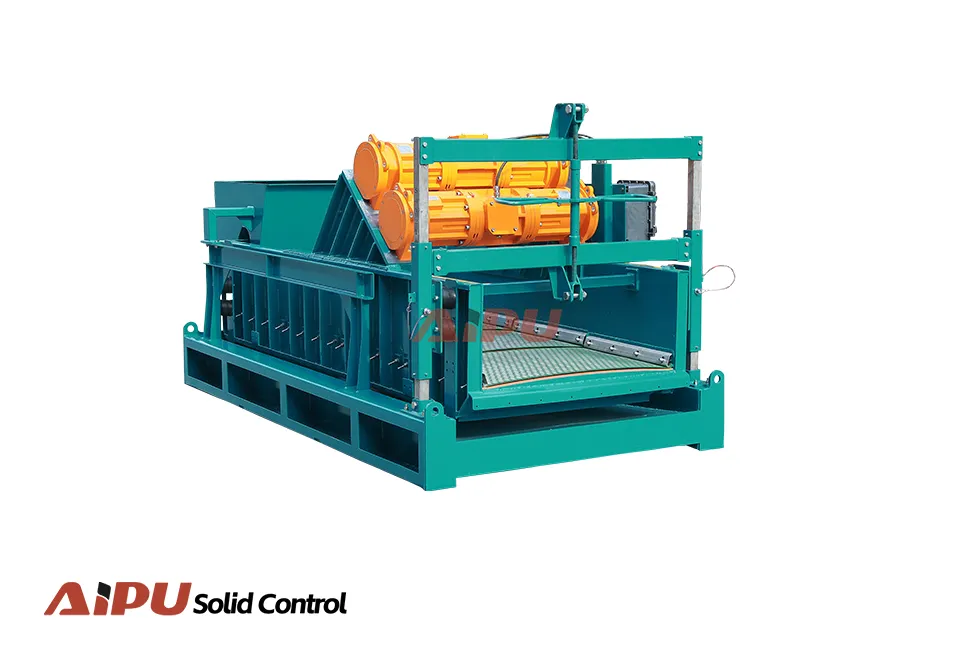
Introduction
The shale shaker is the primary and most critical solid control device on any drilling rig. Its fundamental purpose is to remove drill cuttings from the drilling fluid (mud) using high-frequency vibration and screening. Efficient first-stage separation is paramount for maintaining mud properties, protecting downstream equipment, and ensuring overall drilling efficiency and cost control.
Technical Working Principle
Shale shakers operate on a principle of vibratory screening. A motor-driven vibrator imparts a high-frequency, linear or elliptical motion to a screen deck angled between 0-5 degrees. As the fluid-cuttings mixture (the "returns") flows onto the screen, this motion stratifies the material. The liquid phase and fine particles smaller than the screen mesh pass through as "throughput," while larger cuttings are conveyed off the screen's discharge end. Modern units utilize balanced elliptical or linear motion for optimal solids conveyance and fluid handling.
Key Components and Specifications
A shale shaker's performance is defined by its core components and their specifications. Key elements include:
- Vibrator Assembly: Typically consists of two counter-rotating motors generating 4.0-7.0 G's of acceleration.
- Screen Panels: Layered mesh screens (often 3-4 layers) with mesh sizes ranging from 20 to 325. Common API designations are API 20 to API 200.
- Deck Configuration: Single, double, or triple decks for staged separation, increasing overall removal efficiency.
- Flow Capacity: Modern high-capacity shakers can process over 1,500 GPM of weighted mud.
Operational Benefits
Effective shale shaker operation delivers direct financial and operational advantages. By removing a high percentage of drilled solids at the first opportunity, it preserves the chemical and physical properties of the drilling fluid. This leads to significant cost savings by reducing dilution and chemical treatment requirements. Furthermore, it minimizes wear on pumps, drill bits, and downstream solid control equipment like desanders and desilters, extending their service life and reducing maintenance costs.
Industry Applications
Shale shaker technology is applied across all drilling environments but is particularly crucial in challenging applications. In high-pressure, high-temperature (HPHT) wells, precise solids control is non-negotiable for mud weight management. In directional and horizontal drilling, efficient cuttings removal is vital to prevent packing off and stuck pipe incidents. The advent of "fine-screen" shakers, capable of running 200-mesh and finer screens, is a direct response to the demands of drilling with non-aqueous fluids (NAF) and synthetic-based muds.
Maintenance Considerations
Proactive maintenance is essential for sustained shale shaker performance and longevity. Key practices include:
- Regular inspection and tensioning of screen panels to prevent premature failure and bypass.
- Monitoring vibrator motor amperage and temperature to detect imbalance or bearing wear.
- Ensuring the feed and discharge compartments are clean to prevent fluid overflow and cross-contamination.
- Following a strict lubrication schedule for vibrator bearings as per OEM specifications.
Conclusion
The shale shaker remains the cornerstone of rig-site solid control. Its continuous technological evolution—towards higher G-forces, finer screening capabilities, and improved fluid dynamics—directly enhances drilling efficiency, reduces environmental footprint, and lowers overall well construction costs. A deep understanding of its operation and maintenance is fundamental for drilling engineers aiming to optimize performance and ensure safe, economical drilling operations.