
Introduction
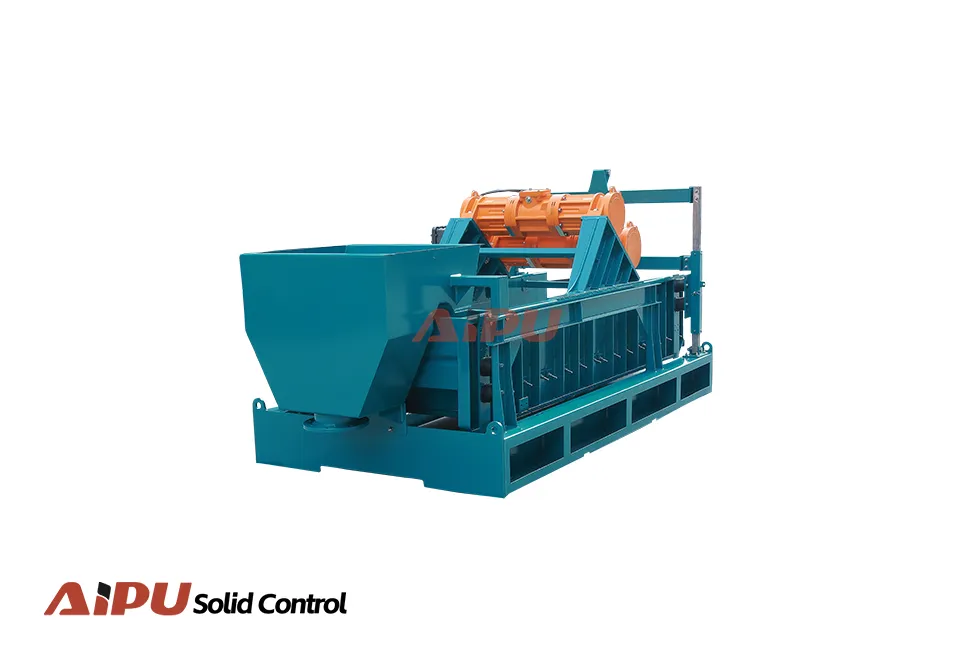
The shale shaker is the primary and most critical solid control equipment on any drilling rig. Its function is to remove large drilled solids, or cuttings, from the drilling fluid (mud) returning from the wellbore. Efficient first-stage separation is paramount for protecting downstream equipment, maintaining mud properties, and ensuring overall drilling efficiency and cost control.
Technical Working Principle
A shale shaker operates on the principle of vibratory screening. The drilling fluid mixture is flowed onto a vibrating screen deck. High-frequency, linear or elliptical motion from an electric vibrator motor fluidizes the mud, forcing it through the screen mesh while conveying larger solids to the discharge end. The screen's mesh size, measured in API units, determines the cut point—the smallest particle size separated.
Key Components and Specifications
Modern shale shakers are engineered for high performance and reliability. Key specifications include:
- Deck Configuration: Single, double, or triple decks for cascading separation.
- Screen Type: Pretensioned, hook-strip, or pyramid panels, with mesh sizes from API 20 to API 325.
- Motion Type: Linear motion for high-speed conveyance; balanced elliptical for dry cuttings.
- G-Force: Typically 4-7 G's, adjustable for optimal solids handling and screen life.
- Flow Capacity: Rated for specific flow rates, often exceeding 1000 GPM per unit.
Operational Benefits
Proper shale shaker operation delivers significant economic and technical advantages.
- Mud Conservation: Efficiently returns valuable liquid and weighting material to the active system.
- Reduced Downtime: Protects desanders, desilters, and centrifuges from plugging and wear.
- Improved ROP: Cleaner mud enhances rate of penetration and reduces the risk of stuck pipe.
- Cost Savings: Lowers total fluid costs, disposal volumes, and associated logistics expenses.
Industry Applications and Innovations
Shale shaker technology is continuously evolving to meet challenging drilling environments. Key applications and trends include:
- High-Pressure, High-Temperature (HPHT) Wells: Utilizing specialized seals and construction materials.
- Managed Pressure Drilling (MPD): Integration with closed-loop systems for precise pressure control.
- Automation: Smart shakers with flow monitoring, screen wear detection, and automated tensioning systems.
- Fine Screen Technology: Ultra-fine mesh screens (down to API 325) for improved solids removal in weighted muds.
Maintenance Considerations
Proactive maintenance is essential for peak shaker performance and longevity.
- Regularly inspect and replace worn screen panels to maintain separation efficiency.
- Check vibrator motor mounts, bearings, and lubrication according to manufacturer schedules.
- Ensure proper screen tension to prevent premature failure and "blinding."
- Keep fluid distribution systems and wash-down lines clear to prevent uneven flow across the deck.
Conclusion
The shale shaker remains the indispensable frontline defense in drilling fluid processing. Understanding its working principles, specifications, and proper maintenance is critical for drilling engineers to optimize solids control, enhance wellbore stability, and achieve substantial operational cost savings. Continued innovation in shale shaker technology directly supports the industry's push for greater efficiency in increasingly complex drilling operations.