
Introduction
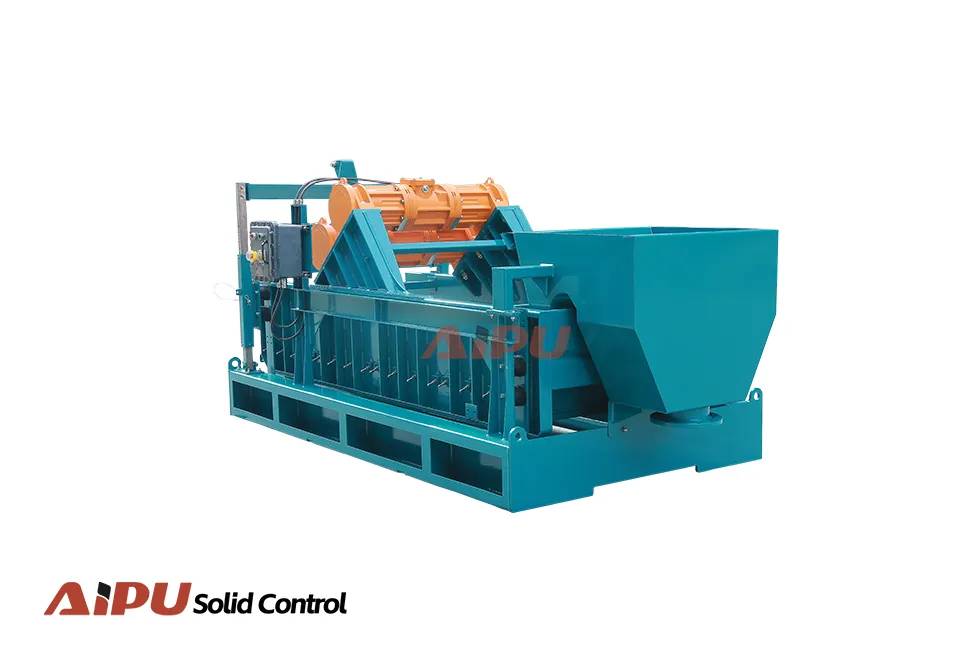
The shale shaker is the primary and most critical solids control device on a drilling rig. Its performance directly impacts downstream equipment efficiency, drilling fluid properties, and overall well costs. A fundamental operational parameter governing this performance is the deck angle. Optimizing the shale shaker angle is not a set-and-forget task but a dynamic process essential for maximizing solids removal and preserving valuable drilling fluid.
Technical Working Principle
Shale shakers separate cuttings from drilling fluid via vibratory motion applied to a screen deck. The deck angle—the incline relative to horizontal—directly controls the residence time of material on the screen. A steeper angle increases fluid throughput velocity but reduces retention time, while a flatter angle does the opposite. This balance is crucial for achieving optimal separation, especially with high flow rates or finer screen meshes.
Key Components and Specifications
Modern shakers allow for dynamic angle adjustment, typically between -1° to +5°. Key specifications include:
- Adjustment Range: Standard is 0° to +5°; negative angles are for degassing.
- Deck Type: Single, double, or triple decks with independent angle control.
- Vibration Intensity: G-force (2-8 Gs) works in tandem with angle for solids conveyance.
- Screen Panel: Mesh size (API 20 to API 325) selection influences optimal angle setting.
Operational Benefits
Correct angle adjustment delivers tangible field benefits:
- Enhanced Solids Removal: Optimized retention time improves dry cuttings discharge.
- Maximized Fluid Recovery: Reduces costly fluid loss over the discharge end.
- Extended Screen Life: Proper conveyance minimizes blinding and abrasive wear.
- Improved Downtream Performance: Reduces loading on desanders and desilters.
Industry Applications & Adjustments
Angle is adjusted based on real-time drilling conditions:
- High-Rate Top Hole Sections: Use a steeper angle (e.g., +4°) for rapid fluid handling.
- Sticky Clays & Fines: Flatten angle (e.g., +1° to +2°) to prevent screen blinding.
- High-Density Fluids: A steeper angle aids in conveying heavier cuttings.
- Degassing Mode: Set to a negative angle to pool fluid and liberate trapped gas.
Maintenance Considerations
Regular inspection of the angle adjustment mechanism is vital. Ensure hydraulic or mechanical actuators are free from corrosion and drilling fluid buildup. Verify that locking pins engage securely to prevent unintended angle shift during operation, which can lead to immediate fluid losses or screen damage.
Conclusion
The shale shaker deck angle is a powerful, yet often underutilized, variable for optimizing solids control. Understanding its interaction with fluid rheology, cuttings characteristics, and screen selection allows drilling engineers to make precise adjustments. This proactive control directly enhances separation efficiency, reduces drilling fluid costs, and improves overall wellsite economics, solidifying the shale shaker's role as the cornerstone of effective solids management.