
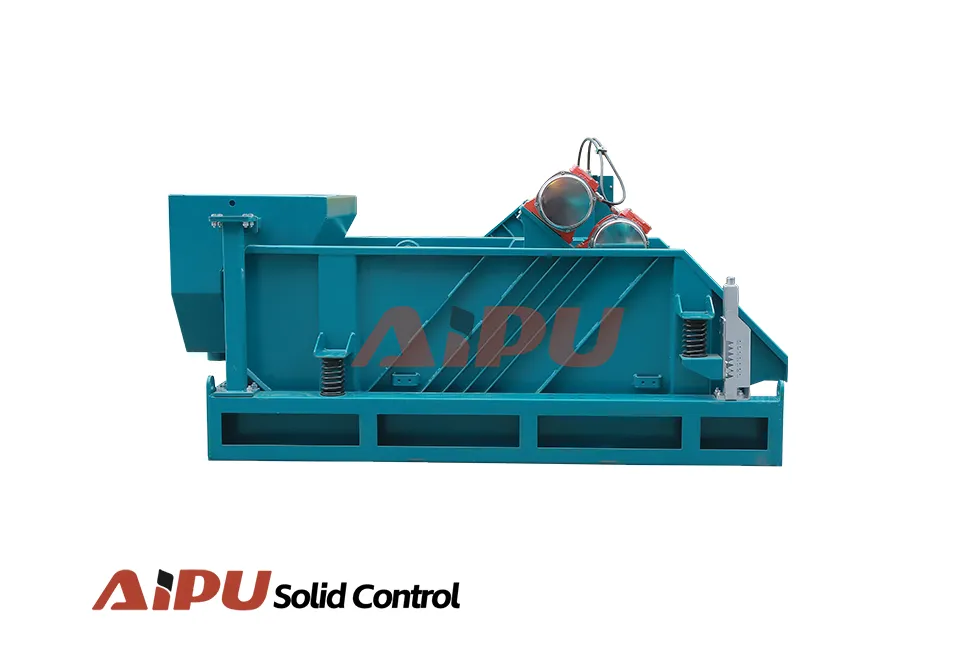
Introduction
In solids control systems, the shale shaker is the primary and most critical device for removing drilled cuttings from drilling fluid. Its design directly dictates overall separation efficiency, fluid recovery rates, and operational costs. Optimal shaker design ensures maximum solids removal with minimal valuable fluid loss, directly impacting wellbore stability, drilling rate, and total mud system economics.
Technical Working Principle
Shale shakers separate solids via high-frequency, multi-plane vibration of layered screen panels. The design of the motion—linear, elliptical, or balanced elliptical—determines solids conveyance and fluid throughput. Linear motion provides good conveyance for drier solids, while elliptical motion offers faster transport for high flow rates. Modern shakers often employ adjustable vibration motors to optimize G-force (typically 4-7 Gs) for specific drilling phases, from top hole to high-density fluids.
Key Components and Specifications
Performance hinges on integrated component design. Key specifications include:
- Deck Configuration: Single, double, or triple decks for staged screening.
- Screen Panel Type: Composite, pretensioned, or hook-strip, affecting lifespan and blinding resistance.
- Vibration System: Dual motor, adjustable eccentric weights for precise motion control.
- Flow Capacity: Rated for specific flow rates (e.g., 1000-1500 GPM) and cutting loads.
- Screen Angle: Adjustable deck angle to fine-tune solids retention time.
Operational Benefits
Superior design translates to tangible field benefits. Efficient shakers reduce liquid hydrocarbon and base fluid loss with cuttings, lowering mud replacement costs. They improve downstream equipment (desanders, desilters) performance by removing larger solids, reduce dilution requirements, and enhance overall drilling fluid properties. This leads to lower waste volumes and reduced disposal costs.
Industry Applications
Design choices are application-driven. High-performance, multi-deck shakers are essential for high-pressure, high-temperature (HPHT) wells and synthetic-based muds to maximize fluid recovery. For top-hole sections with high rates of penetration, robust shakers with high-flow capacity and coarse screens are deployed. The trend towards automated, sealed-canopy shakers addresses offshore and environmentally sensitive operations.
Maintenance Considerations
Design directly affects serviceability and uptime. Features like centralized grease points, quick-release screen tensioning systems, and modular vibrator motors minimize maintenance downtime. Regular inspection of screen integrity, motor mounts, and isolation rubbers is critical to maintain designed G-forces and prevent premature failure, ensuring consistent separation efficiency.
Conclusion
Shale shaker design is a fundamental engineering consideration with direct consequences for drilling efficiency and cost management. Selecting a shaker with the appropriate motion, deck layout, screen technology, and robust construction for the specific drilling program is paramount. Continued innovation in shale shaker technology focuses on maximizing solids removal efficiency while adapting to the evolving demands of modern drilling operations.