
Introduction
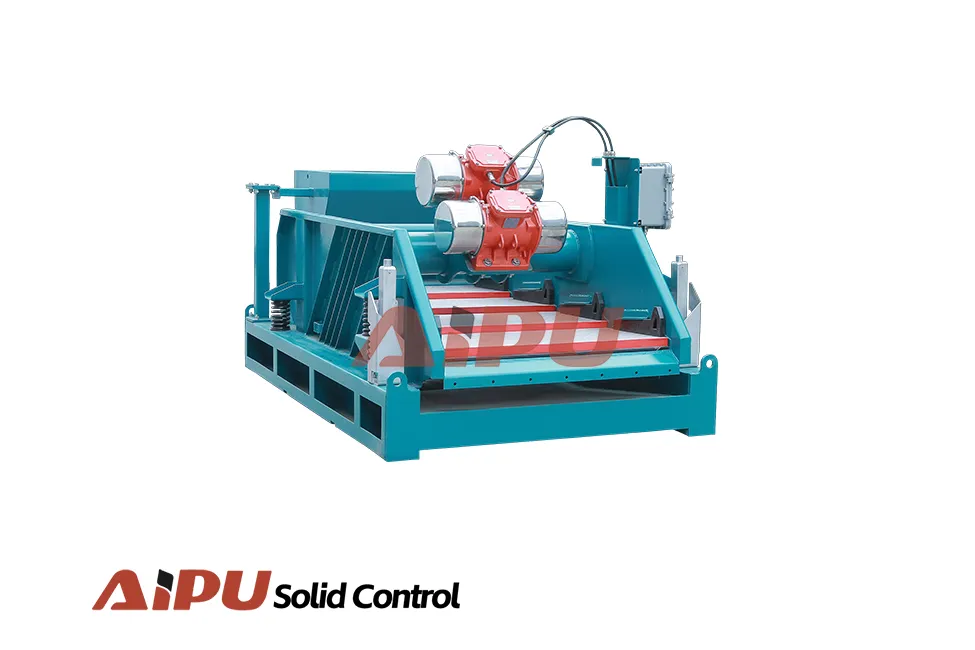
Accurately calculating a shale shaker's capacity is fundamental to optimizing solids control efficiency and ensuring cost-effective drilling operations. This capacity, typically expressed in gallons per minute (GPM) or barrels per hour (BPH), dictates the maximum flow rate of drilling fluid the unit can process while maintaining effective solids removal. An undersized shaker leads to poor cuttings conveyance, fluid loss over the weir, and increased dilution costs.
Technical Working Principle
Capacity is not a static number but a function of several dynamic variables. The primary calculation considers the fluid's rheology and the screen's open area. The basic formula is: Capacity (GPM) = Screen Open Area (sq. ft.) x Fluid Conveyance Rate (GPM/sq. ft.). The conveyance rate is heavily influenced by the fluid's plastic viscosity (PV) and yield point (YP). High-viscosity fluids move solids across the screen more slowly, reducing effective capacity.
Key Components and Specifications
Critical specifications directly impacting capacity calculations include:
- Screen Mesh & API Designation: Finer mesh screens (e.g., API 200) have less open area than coarser screens (e.g., API 20), reducing capacity but improving removal efficiency.
- Deck Angle & Motion: Linear motion shakers often run at a steeper deck angle than elliptical, affecting solids transport and fluid throughput.
- Vibration Intensity (G-force): Higher G-forces improve solids conveyance and fluid throughput, especially with weighted, viscous muds.
Operational Benefits of Accurate Sizing
Proper capacity calculation delivers direct operational and financial benefits. It prevents shaker overload, which minimizes costly whole mud loss. It ensures optimal solids removal, reducing wear on downstream equipment (desanders, desilters) and lowering dilution and chemical treatment costs. Correctly sized shakers maintain desired mud properties, directly impacting rate of penetration (ROP) and overall wellbore stability.
Industry Applications and Considerations
In practice, engineers must select and configure shakers based on the specific phase of drilling. High-rate surface holes require shakers with high capacity using coarser screens. Deeper, smaller-diameter sections with weighted mud demand shakers optimized for finer screening despite lower flow rates. Modern multi-deck shakers allow for staged screening, maximizing both capacity and removal efficiency simultaneously.
Maintenance Considerations for Sustained Capacity
Sustaining design capacity requires rigorous maintenance. Screen integrity is paramount; even small tears drastically reduce effective open area. Regular inspection of vibration motors, tensioning systems, and seals ensures the shaker operates at its designed G-force and deck motion. Buildup of sticky solids (gumbo) on screens can blind the mesh, instantly collapsing throughput capacity.
Conclusion
Calculating shale shaker capacity is a critical engineering exercise that balances fluid properties, screen technology, and mechanical configuration. By understanding and applying the core principles, drilling teams can select the correct equipment, optimize its performance, and achieve significant cost savings through efficient solids control. This ensures the shale shaker performs as the primary and most critical barrier in the drilling fluid processing system.