
Introduction
Proper and safe screen replacement on shale shakers is a critical routine operation that directly impacts solids control efficiency, drilling fluid properties, and overall rig cost. Incorrect procedures can lead to screen damage, premature failure, hazardous conditions, and non-productive time. This guide outlines the industry-best practices for executing this task with precision and safety.
Technical Working Principle
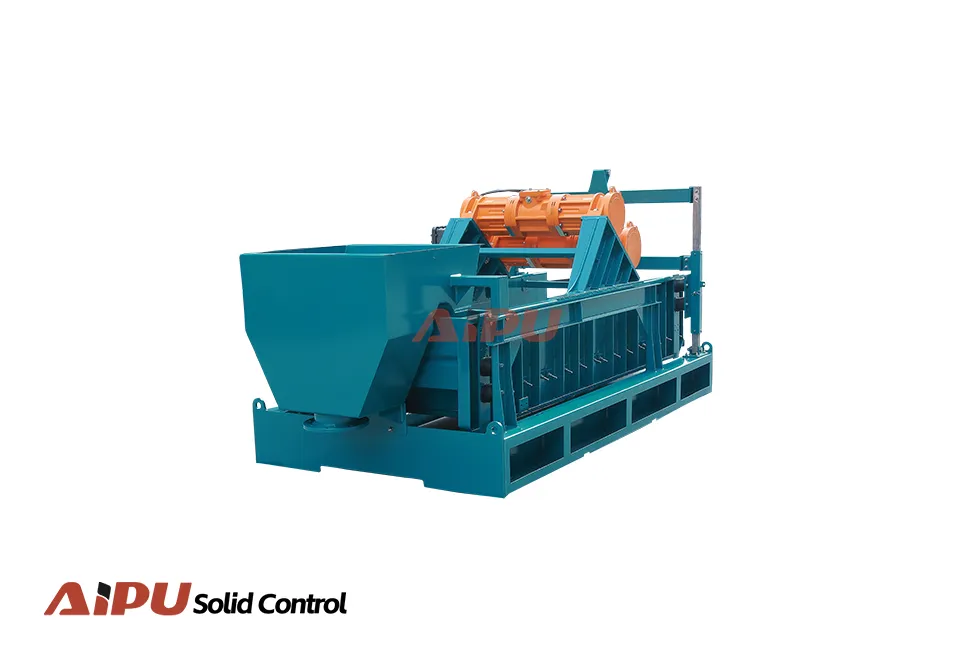
A shale shaker separates drilled solids from drilling fluid via vibratory motion. The screen panel is the primary filtering medium; its integrity is paramount. The shaker's elliptical or linear motion creates a conveyance pattern, sending cuttings to the discharge end while allowing clean fluid to pass through. A worn or damaged screen compromises this entire separation process, allowing fine solids to contaminate the active system.
Key Components and Specifications
Understanding shaker and screen specifications is essential for correct handling. Key elements include:
- Screen Panel Type: Pretensioned (hook-strip) or framed. Know the specific tensioning system (wedge, rubber gasket, bolt-down).
- Screen Mesh & API Number: Match the replacement screen's mesh count (e.g., 200) and API designation to the drilling phase requirements.
- Deck Layout: Identify if the shaker uses a single, double, or triple-deck configuration for layered screening.
Operational Procedure for Safe Change-Out
Follow a strict lock-out/tag-out (LOTO) procedure. Isolate the shaker from all power sources—electrical and pneumatic.
- Wear appropriate PPE: gloves, safety glasses, and hearing protection.
- Remove discharge weir and any retaining clamps or wedges systematically.
- Lift the screen panel evenly; avoid bending or dragging it across the deck.
- Thoroughly clean the deck and sealing surfaces before installing the new screen.
- Install the new panel, ensuring it is centered and seated correctly before re-tensioning all fasteners to manufacturer specifications.
Efficiency and Cost-Saving Implications
A proper screen change maximizes performance and economics.
- Fluid Conservation: A well-seated screen prevents costly drilling fluid loss over the discharge end.
- Screen Life: Correct installation minimizes stress points, reducing premature tearing and lowering screen consumable costs.
- System Stability: Consistent solids removal protects downstream equipment (desanders, desilters, centrifuges) and reduces dilution costs.
Maintenance and Innovation Trends
Modern shaker technology aids in safer screen changes. Innovations include:
- Quick-tensioning systems (e.g., air-actuated wedges) that reduce manual handling and time.
- Integrated lifting aids and slide rails for easier panel removal.
- Condition monitoring sensors that alert personnel to screen blinding or failure, enabling proactive changes.
Conclusion
Adhering to a disciplined, safety-first protocol for changing shale shaker screens is a fundamental skill for drilling crews. It ensures optimal solids control performance, protects the drilling fluid investment, and extends equipment life. By integrating proper techniques with an understanding of modern shaker technology, operations can achieve significant gains in both safety and cost-efficiency on the rig floor.