
Introduction
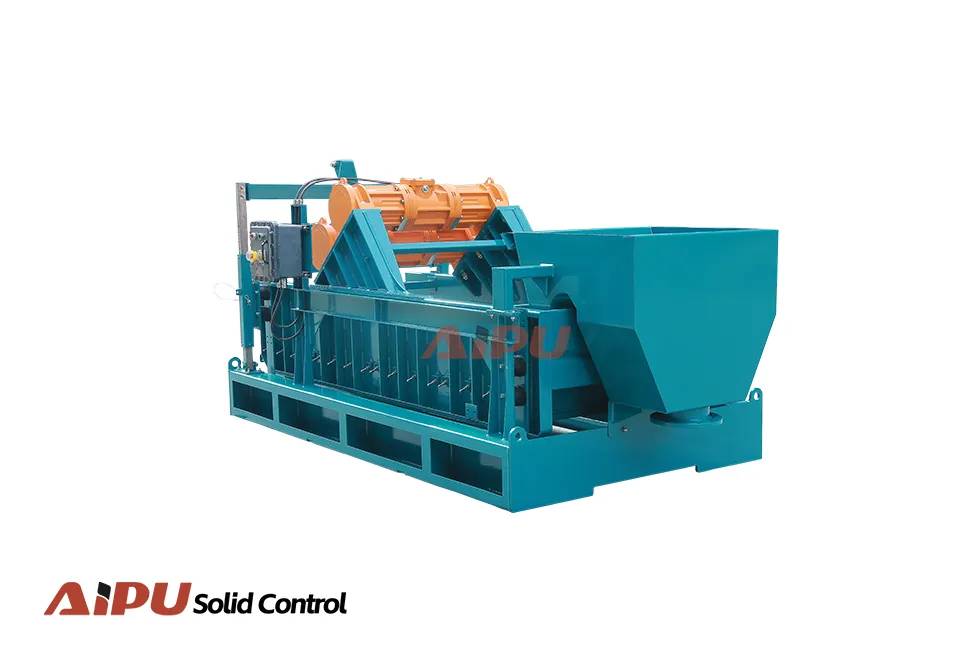
Selecting the optimal shale shaker is a critical decision impacting drilling efficiency, fluid costs, and overall wellbore integrity. As the primary solids control device, the shaker's performance directly influences downstream equipment life and waste management expenses. This guide outlines key technical and operational factors for drilling engineers to specify the correct shaker for their rig's specific demands.
Technical Working Principle
Modern shale shakers utilize high-frequency, linear motion to separate drilled solids from drilling fluid. The vibrating screen deck creates a conveyance pattern, transporting cuttings to the discharge end while allowing clean fluid to pass through the mesh. Key performance parameters include G-force (typically 4-7 Gs), deck angle, and vibration frequency, which must be matched to the expected flow rates and solids loading.
Key Components and Specifications
Critical specifications for evaluation include screen panel type, deck configuration, and motor power. A balanced design ensures efficient solids removal without excessive fluid loss.
- Screen Mesh & Panel Type: Choose from pyramid, pretensioned flat, or composite screens based on cuttings size and fluid viscosity.
- Deck Configuration: Single, double, or triple decks offer progressive screening for complex mud systems.
- Flow Capacity: Must handle the rig's maximum circulating rate, often 800-1200 GPM per unit.
- Vibration Motors: Dual, adjustable-frequency motors provide precise motion control for different drilling phases.
Operational Benefits
The right shale shaker delivers tangible economic and operational advantages by maximizing solids removal efficiency at the first and most critical stage.
- Reduces dilution and chemical treatment costs by preserving base fluid.
- Protects downstream hydrocyclones and centrifuges from excessive wear.
- Minizes waste volumes, lowering disposal costs and environmental footprint.
- Enhances drilling rate by maintaining optimal mud weight and rheology.
Industry Applications
Shale shaker selection varies significantly with the drilling application. High-performance shakers with fine mesh screens (up to 250 API) are essential for deepwater and HPHT wells to manage expensive synthetic-based mud. For large-diameter surface holes, robust shakers with coarse screens handle high volumes of coarse cuttings. Modular, compact designs are preferred for offshore and space-constrained land rigs.
Maintenance Considerations
Durability and serviceability are paramount. Choose shakers with easy screen change mechanisms, corrosion-resistant materials (e.g., stainless steel wet parts), and accessible lubrication points. Regular inspection of vibration motor mounts, screen tension, and seal integrity prevents unexpected downtime. Implementing a predictive maintenance schedule based on motor amperage and vibration analysis is an industry best practice.
Conclusion
Choosing the right shale shaker requires a systematic analysis of drilling program objectives, fluid properties, and rig capabilities. Investing in appropriate shaker technology with the correct screen management strategy provides a high return through reduced fluid losses, lower waste handling costs, and improved drilling performance. As drilling fluids and well designs evolve, continuous evaluation of shaker technology remains essential for operational excellence.