
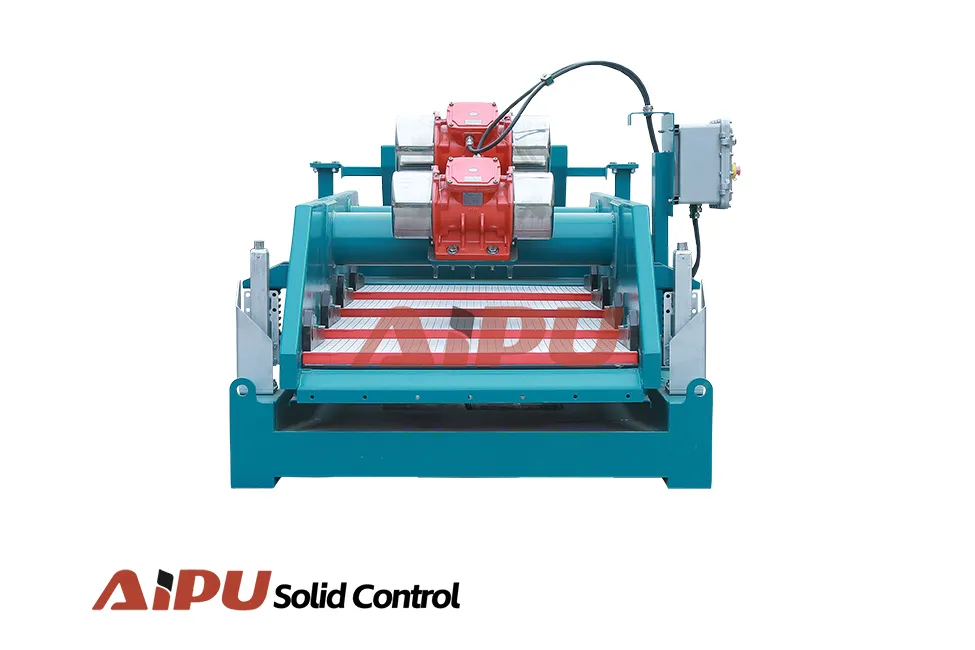
Introduction
For drilling engineers and rig supervisors, accurately interpreting a shale shaker specification sheet is critical for optimal solids control system design. This document is the blueprint for performance, dictating the machine's capacity to handle drilling fluid and remove drilled solids. A thorough understanding ensures selection of the correct shaker for the specific formation, flow rate, and drilling fluid type, directly impacting wellbore stability, fluid costs, and overall drilling efficiency.
Technical Working Principle
The core principle is vibratory separation. A shale shaker uses high-frequency, linear or elliptical motion from vibrating motors to convey cuttings across a tensioned screen panel. Drilling fluid passes through the screen mesh while larger solids are transported off the discharge end. Key performance metrics derived from this principle include G-force (amplitude x frequency²), screen flow capacity, and conveyance velocity, all of which are detailed on the spec sheet.
Key Components and Specifications
Critical specifications to analyze include:
- Deck Configuration & Screen Area: Single, double, or triple deck; total usable screen area (ft²/m²) defines solids handling capacity.
- Vibration Mechanism: Type (linear, balanced elliptical), motor RPM, and G-force (typically 4-7 G's). Higher G-force improves separation on finer meshes.
- Flow Rate Capacity: Maximum recommended gallons per minute (GPM) the shaker can process with specified screen mesh.
- Screen Mesh Range: The spectrum of panel meshes (e.g., 20-325) the shaker's tensioning system can accommodate, indicating versatility.
Operational Benefits
Proper shaker selection, guided by the spec sheet, delivers tangible field benefits. Maximizing screen area and G-force allows the use of finer meshes, leading to superior solids removal. This reduces dilution and chemical treatment costs, maintains optimal mud weight and rheology, and minimizes waste volume. Efficient shakers directly lower total fluid cost per foot and reduce downstream equipment wear.
Industry Applications
Spec sheets must be matched to the application. High-performance, high-G shakers with large screen areas are essential for deepwater, high-pressure wells using expensive synthetic-based mud (SBM). For top-hole sections with high flow rates, a rugged shaker with high flow capacity is key. The trend toward multi-deck shakers allows for staged separation, running a coarser mesh on top to remove large cuttings and a finer mesh below for total efficiency.
Maintenance Considerations
Spec sheets provide vital data for maintenance planning. Key points include:
- Motor Specifications: Voltage, phase, and duty cycle inform electrical system requirements.
- Spare Parts: Bearing sizes, belt types, and screen panel dimensions.
- Design Features: Dust covers, rubber bumpers, and quick-tensioning systems impact service life and downtime.
Conclusion
A shale shaker specification sheet is a fundamental engineering document. Moving beyond basic dimensions and power requirements to deeply analyze G-force, screen technology, and flow capacity enables precise equipment matching to well programs. This technical diligence is a direct contributor to achieving lower drilling costs, improved wellbore quality, and enhanced environmental compliance through efficient solids control.