
Introduction
In solids control, shale shaker performance is paramount for efficient drilling fluid recovery. The selection of screen mesh size is the primary variable controlling the separation of drilled solids from valuable drilling fluid. Optimizing mesh size directly impacts wellbore stability, drilling fluid costs, and overall operational efficiency, making it a critical decision for drilling engineers.
Technical Working Principle
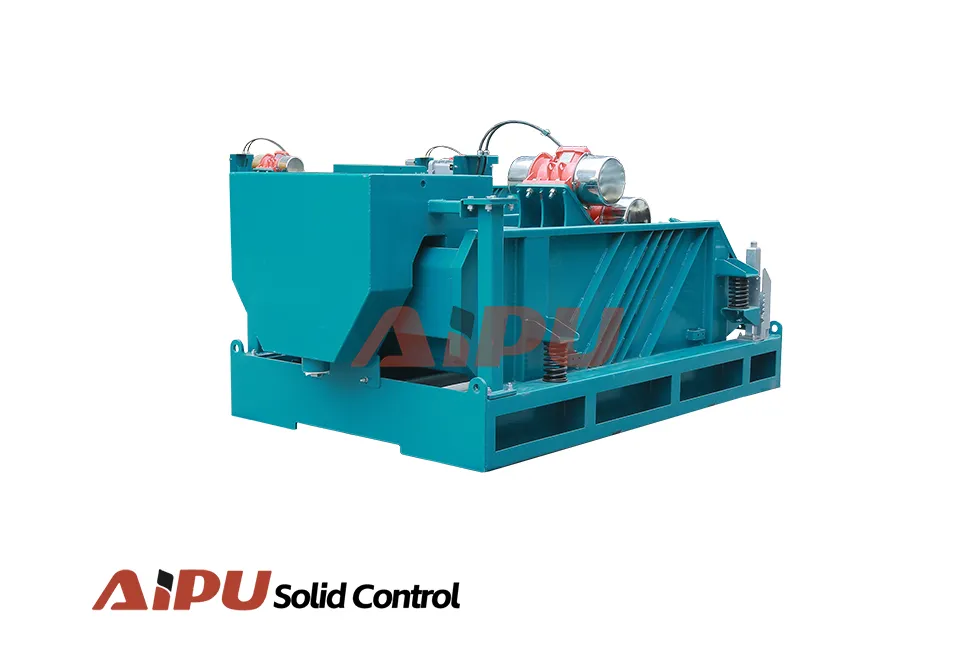
A shale shaker utilizes vibratory motion to convey cuttings across a tensioned screen surface. The mesh size, defined by the number of openings per linear inch, acts as a precision filter. Smaller particles and liquid pass through the screen (throughput), while larger drilled solids are conveyed off the screen (discharge). The goal is to use the finest mesh possible to maximize fluid recovery without blinding the screen or sacrificing processing capacity.
Key Components and Specifications
The screen panel is the critical component. Key specifications include:
- Mesh Count: Ranges from 20 to 200+ API mesh. Coarser meshes (20-80) are used for high-flow top decks; finer meshes (100-200) are used for final drying.
- Screen Type: Composite, layered screens (e.g., 3-ply) offer higher strength for finer meshes.
- API Designation: API RP 13C defines separation performance using D100 cut-point and conductance metrics.
- Shaker Motion: Balanced elliptical or linear motion is essential for effective solids conveyance with fine mesh.
Operational Benefits of Optimal Mesh Selection
Correct mesh size delivers direct economic and operational advantages:
- Maximized Fluid Recovery: Reduces costly drilling fluid losses, minimizing fresh mud additions.
- Improved Wellbore Stability: Efficient removal of fine solids helps maintain desired mud weight and rheology.
- Reduced Downstream Load: Protects desanders, desilters, and centrifuges from excessive solids, lowering maintenance.
- Lower Waste Disposal Costs: Drier cuttings from finer screens reduce haul-off volume and associated costs.
Industry Applications and Trends
Modern shale shaker technology enables finer mesh usage across diverse applications. In high-pressure, water-sensitive shale plays, ultra-fine mesh (150-200) is critical for maintaining low-solids, oil-based mud. The trend toward multi-deck shakers allows a progression from coarse to fine mesh on a single unit, optimizing both capacity and recovery. Integration with real-time monitoring systems allows for dynamic mesh selection based on drilling parameters.
Maintenance Considerations
Finer mesh screens require vigilant monitoring and handling to maintain performance:
- Screen Inspection: Regularly check for blinding, tearing, or plugging.
- Proper Tensioning: Ensure screens are correctly tensioned to prevent premature failure and maintain conductance.
- Compatibility: Use spray systems and compatible chemicals to prevent screen blinding from sticky clays.
Conclusion
The strategic selection of shale shaker mesh size is a fundamental lever for controlling drilling economics and efficiency. By understanding the technical specifications, operational benefits, and maintenance requirements, drilling engineers can optimize fluid recovery, significantly reduce operational costs, and enhance overall well construction performance. Continuous advancements in screen technology and shaker design further empower this critical solids control function.