
Introduction
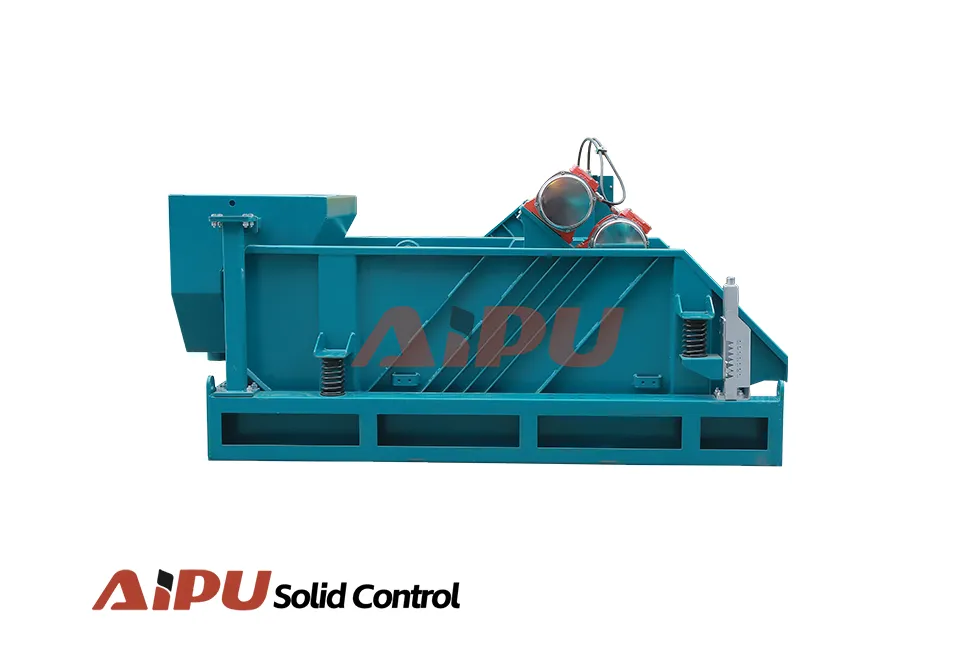
The shale shaker is the primary and most critical solids control equipment in any drilling fluid system. As the first line of defense, its performance directly impacts overall drilling efficiency, wellbore stability, and operational costs. By efficiently removing large drilled solids from the drilling mud, it protects downstream equipment and maintains fluid properties essential for safe and effective drilling operations.
Technical Working Principle
Shale shakers utilize high-frequency, linear or elliptical motion to convey drilling fluid across a vibrating screen surface. As the fluid mixture passes over the screen, particles larger than the screen mesh size (typically measured in API mesh or microns) are separated and discharged off the screen deck. The cleaned fluid, or "underflow," returns to the active mud system. Modern shakers employ balanced elliptical or linear motion to maximize solids conveyance and fluid throughput while minimizing fluid loss.
Key Components and Specifications
Critical components define shaker capability and performance. Key specifications include:
- Screen Surface Area: Measured in square feet, directly influences processing capacity.
- Vibration Motor G-Force: Typically 4-7 G's, affecting solids conveyance and screen life.
- Deck Configuration: Single, double, or triple decks for staged separation.
- Screen Mesh: Ranges from coarse (API 20-50) to ultra-fine (API 200+).
- Flow Capacity: Rated in gallons per minute (GPM), must match maximum circulation rates.
Operational Benefits
Properly functioning shale shakers deliver substantial operational and economic advantages.
- Reduces dilution and chemical treatment costs by maintaining desired mud weight and viscosity.
- Extends the service life of downstream equipment (desanders, desilters, centrifuges).
- Minimizes drill bit wear and improves rate of penetration (ROP).
- Enhances wellbore stability by controlling solids content and reducing the risk of stuck pipe.
Industry Applications
Shale shakers are deployed across all drilling environments but are particularly vital in:
- High-Pressure, High-Temperature (HPHT) Wells: Precise solids control is non-negotiable for maintaining stable mud properties.
- Directional and Horizontal Drilling: Efficient cuttings removal is crucial for reducing torque and drag.
- Deepwater Operations: Maximizing solids removal at surface preserves expensive synthetic-based mud (SBM).
- Shale Plays: High-volume, fast drilling requires robust shakers with large flow capacity and fine screening.
Maintenance Considerations
Proactive maintenance ensures peak performance and avoids costly downtime.
- Regular inspection and tensioning of screen panels to prevent bypass.
- Monitoring vibration motor amperage and temperature for early fault detection.
- Ensuring feed and discharge boxes are sealed to prevent fluid spillage.
- Implementing a screen change-out schedule based on observed wear and tear.
Conclusion
The shale shaker remains an indispensable technology in modern drilling. Its role in cost management, operational safety, and drilling efficiency cannot be overstated. Continuous innovations in screen technology, motion dynamics, and automation are further enhancing its reliability and performance, solidifying its position as the cornerstone of effective solids control. Investing in optimal shale shaker configuration and operation delivers direct returns through reduced non-productive time and lower total fluid costs.