
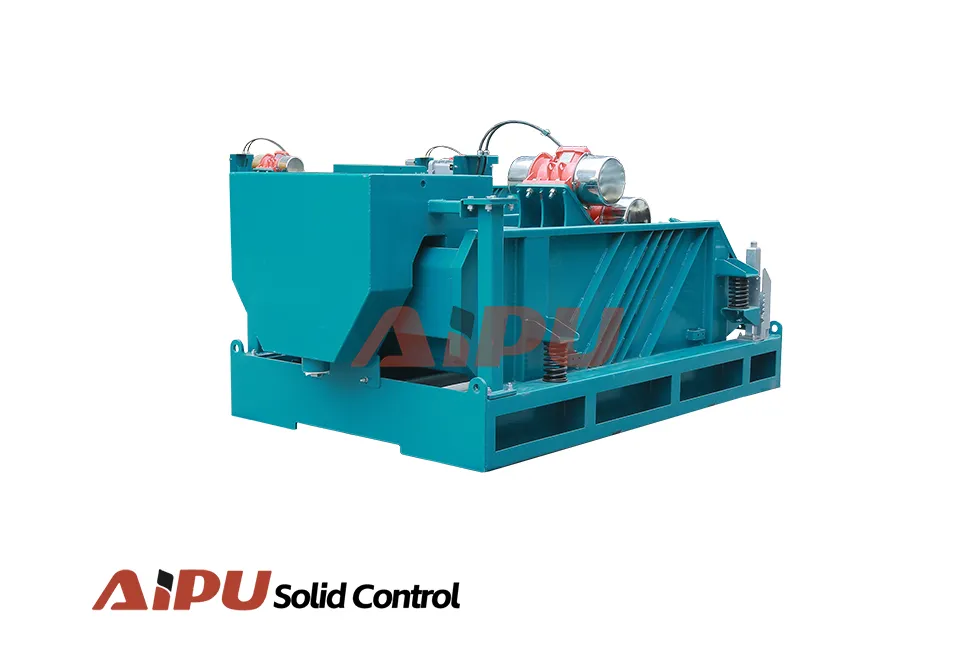
Introduction to shale shaker Terminology
Mastering key terminology is essential for drilling engineers and solids control specialists to optimize shale shaker performance. This foundational knowledge directly impacts drilling fluid management, equipment efficiency, and overall wellbore economics. Precise communication regarding shaker technology ensures accurate troubleshooting and maximizes solids removal efficiency.
Technical Working Principle: Vibration and Screening
The core function is based on vibratory motion applied to layered screen panels. Key terms include G-force (acceleration affecting solids conveyance) and stroke (peak-to-peak deck displacement). Balanced elliptical motion provides superior solids conveyance, while linear motion offers precise screening. Understanding differential motion is critical for handling various drilling rates and cuttings types.
Key Components and Specifications
Critical components define shaker capability and application. Primary specifications include:
- Screen Mesh: Measured in microns or API mesh number; defines separation point.
- Deck Angle: Affects fluid throughput and solids residence time.
- Flow Capacity: Rated in gallons per minute (GPM) for specific fluid properties.
- Motor Type: High-frequency, dual-motor systems enable precise vibration control.
Operational Benefits and Efficiency Metrics
Proper terminology links to tangible field benefits. Cut-point describes the smallest particle size efficiently removed. A fine cut-point preserves valuable drilling fluid, reducing dilution and chemical costs. High screen life and consistent solids discharge dryness lower waste hauling expenses and improve overall drilling fluid performance.
Industry Applications and Configuration
Terminology guides equipment selection for specific applications. A primary shaker handles full mud flow from the flow line. Scalping removes large cuttings, while fine-screen units run downstream for weighted mud. Understanding hookstrip vs. tensioned panel screen types is vital for unconventional drilling with high-rate, abrasive slurries.
Maintenance Considerations and Performance Monitoring
Key terms inform preventative maintenance schedules and diagnostics. Regular inspection of screen panel tension prevents bypass. Monitoring motor amperage indicates bearing health. Recognizing symptoms of blinding (screen clogging) or pegging (particles lodged in mesh) allows for rapid corrective action to sustain optimal throughput.
Conclusion
Fluency in shale shaker terminology is a practical necessity for modern drilling operations. It enables precise communication between the rig crew, fluids engineers, and equipment specialists. This shared technical language directly supports decisions that enhance solids control efficiency, reduce non-productive time, and deliver significant cost savings across the well construction process.