
Introduction
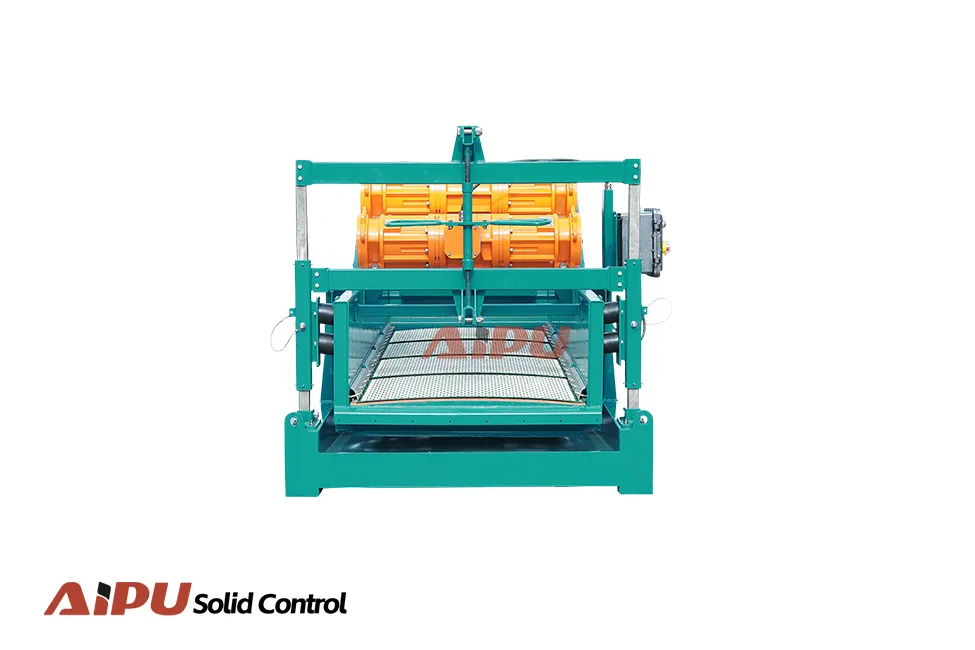
The linear motion shale shaker is the primary and most critical solids control device on any drilling rig. It serves as the first line of defense, removing large drilled solids and cuttings from the drilling fluid (mud) returning from the wellbore. Its performance directly impacts the efficiency of downstream equipment, overall fluid costs, and drilling performance. This article explains its working principle, key benefits, and practical applications in modern drilling operations.
Technical Working Principle
Unlike older elliptical or circular motion shakers, a linear motion shale shaker utilizes two counter-rotating vibratory motors. These motors are synchronized to generate a pure straight-line force vector. This motion conveys solids uphill along the screen deck while simultaneously transporting fluid and smaller particles through the screen mesh. The linear motion provides positive solids conveyance, even with sticky clays or high flow rates, ensuring maximum fluid throughput and efficient solids separation.
Key Components and Specifications
A robust linear motion shaker is defined by its core components and their specifications, which dictate its capacity and performance.
- Vibratory Motors: Balanced, explosion-proof motors generating 4.5-7 Gs of acceleration.
- Screen Deck: Often angled between +1 to +5 degrees; single or multi-deck configurations.
- Screen Panels: Composite or metal frame panels with mesh sizes typically ranging from 20 to 200 API.
- Flow Capacity: Designed to handle total rig flow, often up to 1,200 GPM or more per unit.
- Deck Surface: Rubber-coated or polyurethane decks to reduce screen fatigue and wear.
Operational Benefits
The adoption of linear motion technology delivers significant tangible advantages on the drill site.
- Superior Solids Removal: Efficiently handles high flow rates with improved solids conveyance and drier cuttings.
- Increased Fluid Recovery: Maximizes usable drilling fluid returned to the active system, reducing mud costs.
- Extended Screen Life: Even distribution of vibration reduces localized wear, lowering consumable expenses.
- Enhanced Downstream Efficiency: By removing larger cuttings effectively, it reduces the load on desanders and desilters.
Industry Applications
Linear motion shale shakers are versatile and are deployed across a wide spectrum of drilling scenarios. They are the standard for high-pressure, high-temperature (HPHT) wells due to their reliability. In directional and horizontal drilling, they efficiently process increased cuttings loads. Their ability to run finer mesh screens (e.g., 200 API) makes them indispensable for weighted mud systems where barite retention is critical for maintaining mud weight and density.
Maintenance Considerations
Proactive maintenance is key to sustained performance and cost savings. Daily inspections should include checking motor mounts and screen tension. Regular lubrication of motor bearings as per OEM guidelines is essential. Operators must ensure screens are properly tensioned and seated to prevent bypass and premature failure. Monitoring vibration patterns for irregularities can prevent major mechanical failures and costly downtime.
Conclusion
The linear motion shale shaker remains a cornerstone of modern solids control. Its robust design, efficient separation mechanics, and operational reliability deliver direct cost savings through fluid conservation and reduced waste disposal. As drilling fluids and well programs grow more complex, the continued innovation in shaker technology, including integrated fine-screen capabilities, ensures this primary separator will remain vital for optimizing drilling efficiency and overall well economics.