
Introduction
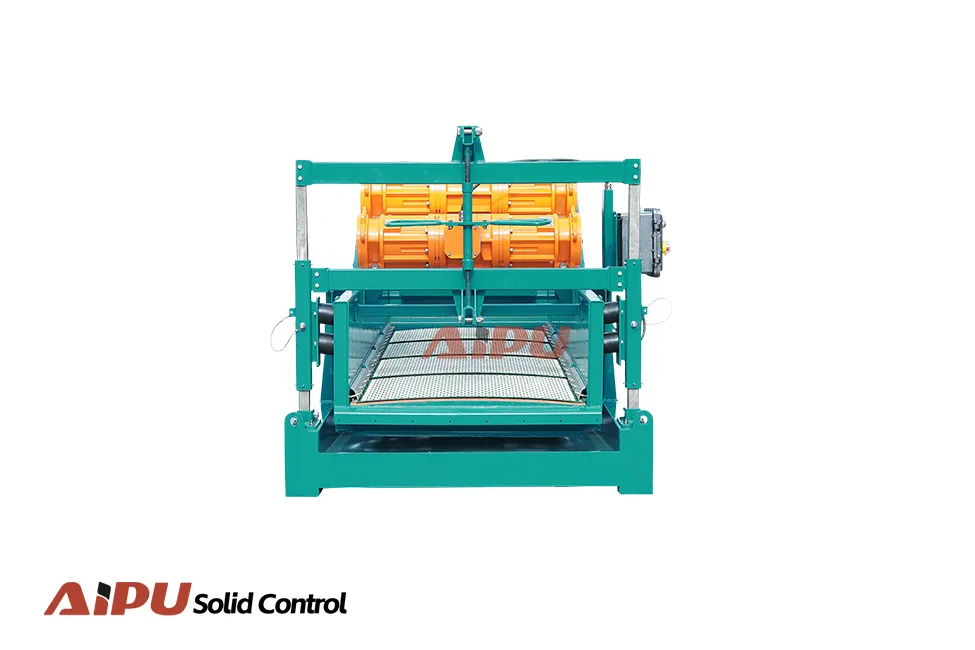
shale shaker performance and longevity are fundamentally dictated by the materials used in their construction. Selecting appropriate materials is critical for withstanding the abrasive, corrosive, and high-vibration environment of drilling operations, directly impacting solids control efficiency and total cost of ownership.
Technical Working Principle and Material Demands
The shale shaker separates drilled solids from drilling fluid via high-frequency vibration. This principle imposes severe stress on components. Materials must resist fatigue from constant G-forces, abrasion from cuttings, and chemical attack from drilling fluid additives like chlorides and polymers.
Key Components and Material Specifications
Strategic material selection is applied to each major assembly:
- Deck & Screen Panels: Constructed from high-yield-strength, abrasion-resistant steel (often AR400), with polyurethane coatings or rubber linings to dampen vibration and protect against wear.
- Vibrator Motors & Bearings: Housings use high-grade cast iron or steel. Internal bearings are premium, lubricated-for-life units with specialized seals to prevent fluid ingress.
- Screen Clamps & Tensioning Systems: Employ stainless steel (e.g., 304 or 316) for corrosion resistance and consistent clamping force to prevent screen failure.
- Structural Frame: Fabricated from tubular carbon steel with robust welding protocols, often protected by industrial epoxy paint systems.
Operational Benefits of Advanced Materials
Superior materials translate directly to field performance and cost savings.
- Increased Uptime: Durable components reduce unplanned maintenance and screen change frequency.
- Enhanced Separation Efficiency: A rigid, non-deforming deck ensures proper screen tension and consistent vibration, critical for fine mesh performance.
- Longer Service Life: Corrosion and abrasion resistance extend the capital equipment's lifecycle, lowering depreciation cost per operating hour.
Industry Applications and Material Innovations
Material evolution addresses specific application challenges. Offshore operations demand high-grade stainless steels for saltwater corrosion resistance. For high-temperature HPHT wells, materials with stable properties at elevated temperatures are specified. Innovations include composite polymers for non-corrosive fluid end caps and laser-cut, precision screen panel frames.
Maintenance Considerations
Proper maintenance hinges on understanding material properties. Using correct replacement parts (e.g., specified bolt grades) is essential. Regular inspection for stress cracks in welded frames and corrosion under insulation is vital. Cleaning procedures should avoid damaging protective coatings or seals.
Conclusion
The materials used in shale shaker manufacturing are a primary determinant of reliability and efficiency in solids control. Investment in robust, application-specific materials reduces non-productive time, preserves drilling fluid properties, and delivers a lower total cost over the equipment's lifespan, making it a critical consideration for drilling engineers and procurement specialists.