
Introduction
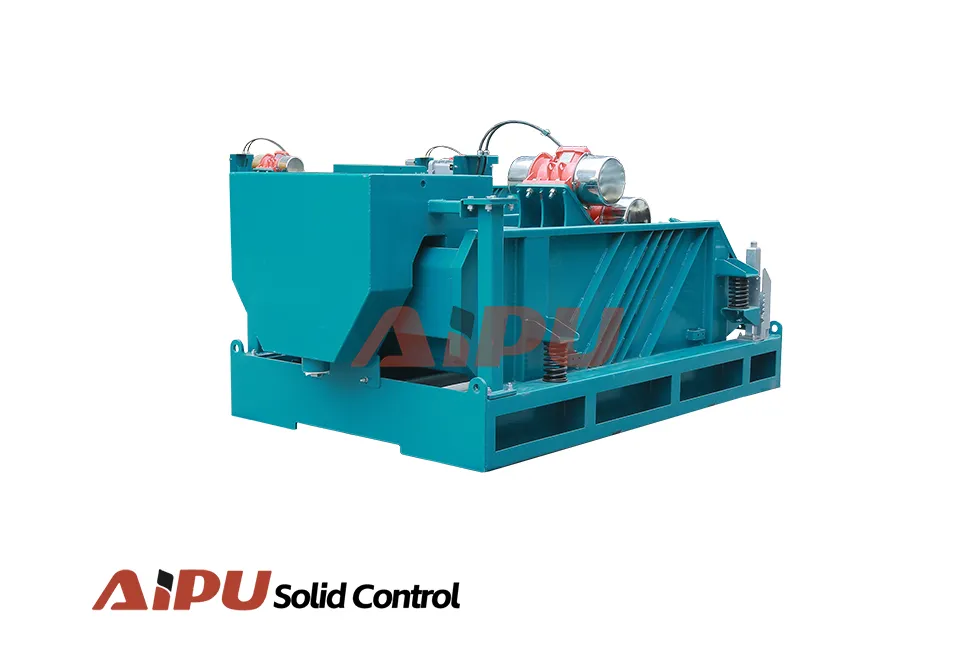
shale shaker performance is paramount to efficient solids control and drilling fluid management. A critical, yet often under-optimized, operational parameter is the deck angle. Proper adjustment of this angle for specific drilling conditions directly impacts cuttings conveyance, fluid recovery, and overall cost per foot, making it a key lever for drilling optimization.
Technical Working Principle
The deck angle, typically adjustable between -1° to +5°, dictates the flow velocity and residence time of drilling fluid on the screen. A steeper positive angle increases conveyance speed, suitable for high flow rates. A flatter or negative angle increases retention time, allowing for better fluid drainage and finer screening in challenging conditions.
Key Components and Specifications
Modern shale shakers feature hydraulic or mechanical angle adjustment systems integrated into the skid or basket. Key specifications include:
- Adjustment Range: Standard is -1° to +5°, with some models offering up to +7°.
- Screen Tensioning System: Crucial for maintaining screen integrity at varying angles.
- Vibration Motors: G-force (typically 4-7 G's) must be considered in conjunction with angle for optimal solids discharge.
Operational Benefits
Optimizing deck angle delivers tangible field benefits:
- Maximized Fluid Recovery: Reduces costly drilling fluid losses over the discharge end.
- Improved Screen Life: Proper cuttings transport minimizes screen blinding and wear.
- Enhanced Solids Removal: Optimized retention time increases separation efficiency for finer solids.
- Adaptability: Allows real-time response to changes in mud weight, flow rate, and cuttings volume.
Industry Applications
Angle strategy varies by application:
- Top-Hole Sections (High ROP): Use a steeper angle (~+4°) for rapid handling of large, coarse cuttings.
- Production Zones (LCM/Finely Ground Solids): Employ a flatter angle (~0° to +2°) to improve screening of valuable fluid and delicate materials.
- High-Viscosity Fluids: A flatter angle prevents premature fluid discharge, aiding in dewatering.
Maintenance Considerations
Regular inspection of the angle adjustment mechanism is essential. Ensure locking pins or hydraulic cylinders are secure and free from corrosion. Screen panels must be properly tensioned after any angle change to prevent premature failure and maintain consistent vibration performance across the deck.
Conclusion
Deck angle is not a "set-and-forget" parameter. Proactive adjustment based on real-time drilling conditions is a low-cost, high-impact method for optimizing shale shaker performance. By integrating angle optimization into standard operating procedures, drilling teams can significantly enhance solids control efficiency, reduce non-productive time, and lower overall drilling fluid costs.