
Introduction
Mud run-over, the uncontrolled spillage of drilling fluid from the shale shaker basket, represents a significant operational and environmental challenge on the rig floor. It compromises solids control efficiency, creates safety hazards, and leads to costly fluid losses. Preventing this issue is paramount for optimizing drilling performance and adhering to strict environmental regulations.
Technical Working Principle
Run-over occurs when the feed rate of drilling fluid exceeds the shaker's processing capacity or when screen blinding restricts fluid throughput. Modern shale shakers combat this through precise vibratory motion. A balanced elliptical or linear motion conveys solids uphill while allowing fluid to pass through the screen mesh. Proper tuning of G-force (typically 4-6 G's) and deck angle is critical to maximize fluid capacity without sacrificing solids conveyance.
Key Components and Specifications
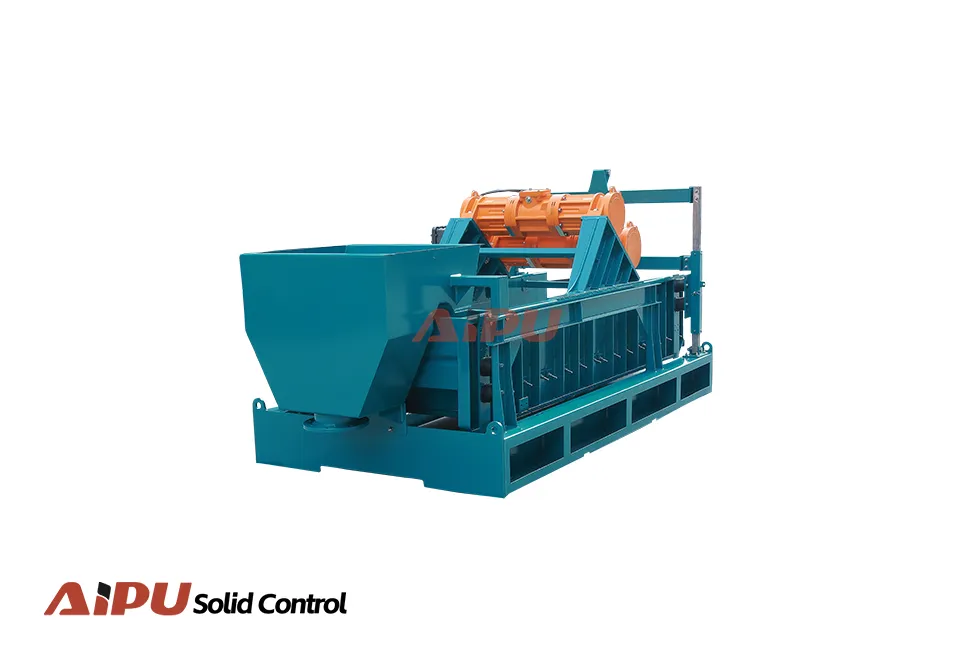
Effective run-over prevention hinges on several critical components and their correct specification:
- Screen Surface Area: Larger, wider baskets (e.g., triple-deck or wide-body designs) increase flow capacity.
- Vibration Motors: High-quality, adjustable motors allow for fine-tuning of G-force and stroke to match specific mud properties.
- Screen Mesh & Panel Design: Non-blinding pyramid or square-weave screens maintain flow. Proper tensioning is essential.
- Flow Distribution System: A properly designed back tank and feed trough ensures even fluid distribution across the full screen width.
Operational Benefits
Containing fluid on the shaker deck delivers direct bottom-line advantages.
- Reduced Fluid Costs: Minimizes loss of expensive drilling fluid, barite, and chemical additives.
- Enhanced Solids Removal: Proper retention time on the screen improves primary solids control, protecting downstream equipment.
- Improved Safety: Eliminates slippery rig floors and reduces manual cleanup, lowering slip/trip hazards.
- Environmental Compliance: Prevents spills, simplifying waste management and reducing environmental liability.
Industry Applications
Preventing run-over is crucial across all drilling applications but is particularly vital in high-cost and sensitive environments. In high-pressure, high-temperature (HPHT) wells using weighted, expensive muds, any loss is critical. In offshore and environmentally sensitive areas, zero-discharge policies make containment non-negotiable. Furthermore, high-rate drilling with large hole sizes demands shakers configured for maximum flow capacity without compromise.
Maintenance Considerations
Proactive maintenance is the frontline defense against run-over.
- Routinely inspect and tension screens to prevent sagging and bypass.
- Monitor motor mounts and vibration isolation elements for wear.
- Clean feed troughs and distribution plates to ensure even flow.
- Calibrate vibration settings when mud properties (weight, viscosity) change significantly.
Conclusion
Preventing mud run-over is not merely a housekeeping issue; it is a core aspect of efficient and responsible drilling operations. By leveraging properly specified shale shaker technology, understanding its working principles, and adhering to disciplined operational and maintenance practices, drilling engineers can ensure maximum fluid recovery, cost savings, and operational safety. Investing in advanced shaker design and proper training pays direct dividends in well construction efficiency.