
Introduction
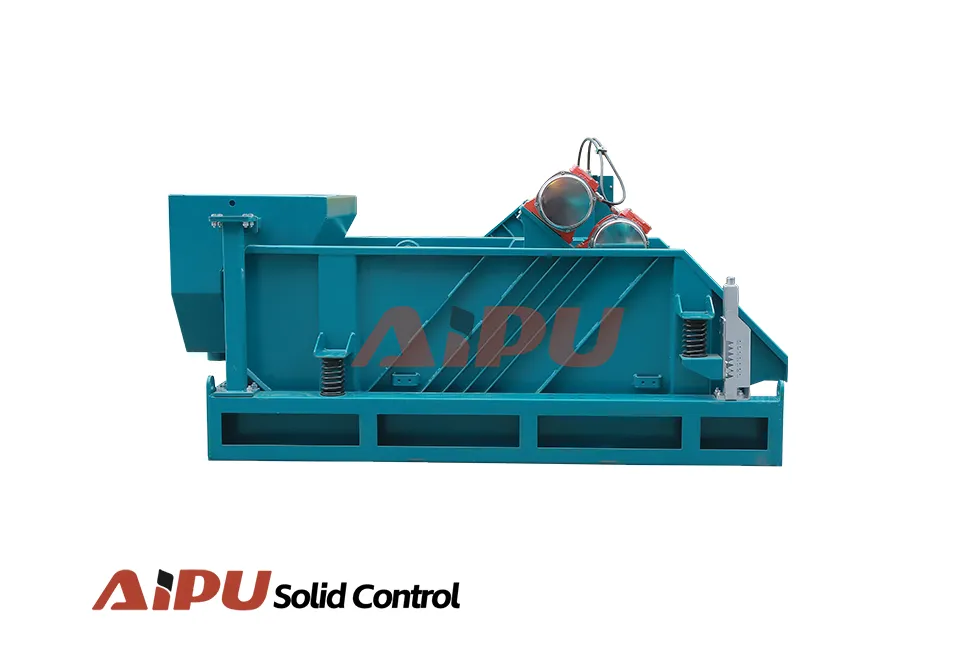
The shale shaker serves as the primary and most critical solids control device in any drilling fluid system. Its fundamental role is to remove large, coarse drilled solids from the whole mud immediately after it returns from the annulus. Efficient primary separation is paramount, as it protects downstream equipment, maintains mud properties, reduces chemical consumption, and directly impacts overall drilling efficiency and cost.
Technical Working Principle
Shale shakers operate on the principle of vibratory screening. The unprocessed drilling fluid is distributed across a vibrating screen surface. The combination of high-frequency, linear or elliptical motion conveys solids toward the discharge end while allowing liquid and finer particles to pass through the screen mesh. The "G-force" or vibration intensity, typically ranging from 4.5G to 7.5G, is a critical parameter that determines separation efficiency and screen fluid capacity.
Key Components and Specifications
Modern shale shakers are engineered for high performance and reliability. Key specifications include:
- Deck Configuration: Single, double, or triple deck designs for staged separation.
- Screen Type: Pretensioned, hook-strip, or pyramid panels with mesh sizes from 20 to 325 API.
- Vibration Mechanism: Balanced elliptical or linear motion motors.
- Flow Capacity: Rated for specific flow rates (e.g., 800-1200 GPM) based on mud weight and solids loading.
- Power System: Robust electric or hydraulic drives suitable for harsh environments.
Operational Benefits
A high-performance shale shaker delivers substantial operational and economic advantages:
- Maximizes removal of detrimental drilled solids, preserving mud rheology.
- Reduces dilution and chemical treatment costs by maintaining target solids content.
- Extends the service life of downstream centrifuges and desilters.
- Minizes waste volume, lowering disposal costs and environmental footprint.
- Enables faster rate of penetration (ROP) by maintaining clean, efficient drilling fluid.
Industry Applications
Shale shaker technology is applied across all drilling operations but is particularly crucial in:
- High-Pressure, High-Temperature (HPHT) Wells: Where precise mud control is non-negotiable.
- Directional and Horizontal Drilling: Managing high solids loads from extended reach laterals.
- Offshore Operations: Where space and weight constraints demand compact, high-capacity units.
- Unconventional Shale Plays: Processing high flow rates with fine mesh screens to recover expensive oil-based mud.
Maintenance Considerations
Proactive maintenance is essential for sustained shale shaker performance. Key practices include:
- Regular inspection and replacement of worn screen panels to prevent bypass.
- Monitoring vibration motor amperage and temperature for early fault detection.
- Ensuring proper tensioning of screens to maximize life and separation efficiency.
- Keeping spray bars and fluid distribution systems clean to prevent screen blinding.
Conclusion
As the first line of defense in solids control, the shale shaker's primary role cannot be overstated. Advancements in motion, screen technology, and automation continue to push the boundaries of separation efficiency. Investing in and properly maintaining this primary equipment is a direct investment in drilling optimization, yielding significant returns through reduced non-productive time, lower fluid costs, and improved overall wellbore construction.