
Introduction
Drilling mud loss represents a significant operational cost and environmental challenge. High-efficiency shale shakers are the primary defense, maximizing solids removal at the first phase of the solids control system to preserve valuable drilling fluid. This article examines how advanced shaker technology directly reduces mud loss through superior separation efficiency.
Technical Working Principle
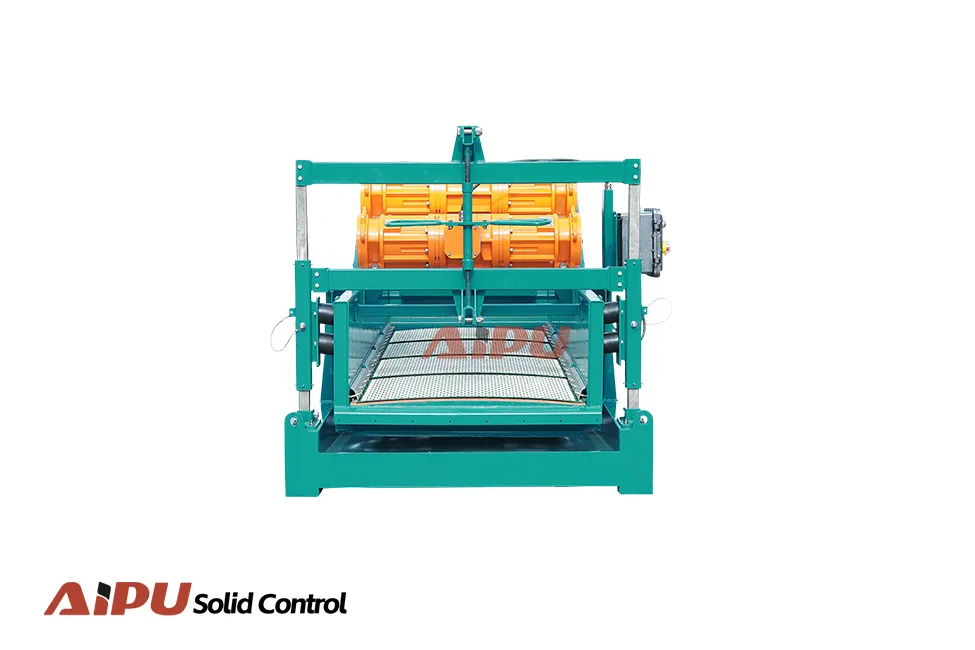
High-efficiency shakers utilize high-G-force, multi-motion vibration to maximize fluid throughput and solids dryness. The key is rapidly accelerating cuttings across fine mesh screens (often down to 200+ API) without blinding, allowing more clean fluid to return to the active system. This precise separation minimizes the volume of liquid discarded with the solids.
Key Components and Specifications
Critical specifications defining high-efficiency models include:
- Vibration Mechanism: Balanced elliptical or linear motion, generating 5-7 G's of acceleration.
- Screen Surface Area: Large, tiered decks (often triple) for increased processing capacity.
- Screen Mesh Capability: Consistent performance with ultra-fine panels (125-250 micron).
- Drive System: Dual, independently adjustable motors for motion control and screen tensioning.
Operational Benefits
The direct benefits of deploying high-efficiency shale shakers are substantial:
- Reduced Mud Costs: Lower fluid losses by 10-20% through drier discharged solids.
- Improved ROP: Cleaner mud enhances drilling hydraulics and bit performance.
- Lower Waste Disposal Costs: Drier cuttings reduce haul-off volumes and associated costs.
- Enhanced Environmental Compliance: Minimizes total fluid volume sent for disposal.
Industry Applications
These shakers are critical in high-value applications:
- Deepwater & HPHT Wells: Where synthetic/oil-based mud (S/OBM) recovery is paramount.
- Long Horizontal Sections: Managing high solids loading while preserving mud properties.
- ERD Wells: Maintaining large active mud volumes at optimal specifications cost-effectively.
Maintenance Considerations
To sustain peak efficiency, a rigorous maintenance protocol is essential:
- Daily inspection of screen integrity and tension.
- Regular motor and vibration isolator checks.
- Prompt replacement of worn screen panels to prevent bypass.
- Calibration of vibration angle and frequency settings for specific mud weights.
Conclusion
Investing in high-efficiency shale shaker technology delivers a rapid return by directly reducing drilling mud loss. The combination of advanced motion, fine-screen capability, and robust design preserves expensive fluid, cuts waste costs, and supports optimal wellbore conditions. As mud systems grow more complex and costly, maximizing first-stage separation efficiency remains a fundamental operational priority.