
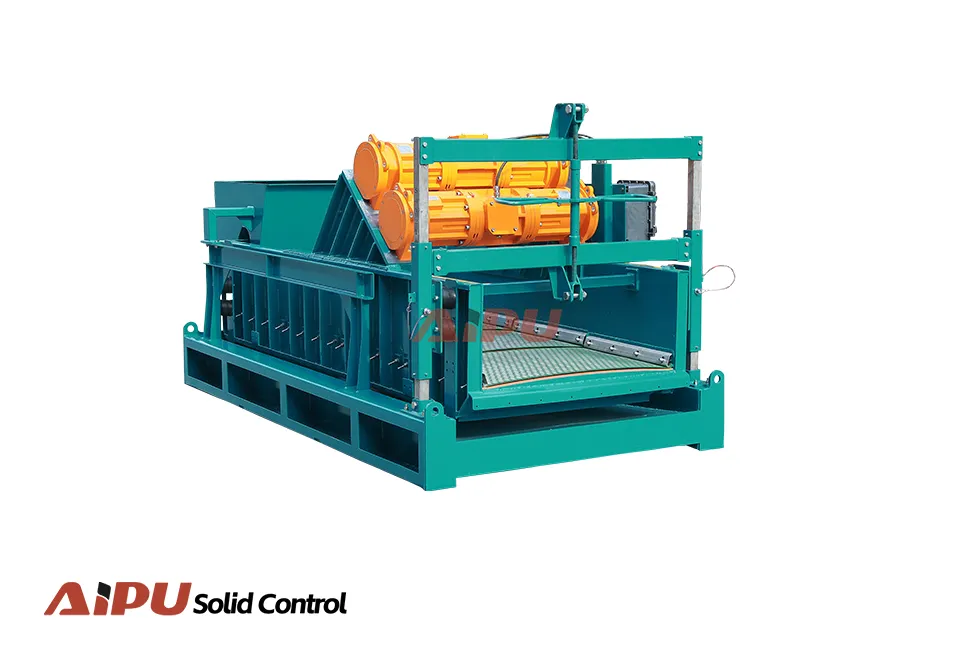
Introduction to shale shakers
In drilling operations, the shale shaker serves as the primary and most critical solid control equipment. Positioned first in the drilling fluids processing system, its primary function is to remove large drilled cuttings from the circulating mud, ensuring the fluid's properties are maintained for efficient drilling and wellbore stability. Effective shale shaker performance directly impacts overall rig efficiency, downstream equipment lifespan, and operational costs.
Technical Working Principle
A shale shaker separates solids from liquid via vibratory motion. The unprocessed drilling fluid, laden with cuttings, flows onto a vibrating screen deck. High-frequency, linear or elliptical vibration conveys solids toward the discharge end while allowing cleaned fluid to pass through the screen mesh. The G-force, screen angle, and vibration pattern are precisely engineered to maximize solids conveyance and fluid throughput without blinding the screen.
Key Components and Specifications
Modern shale shakers consist of several critical components. Understanding their specifications is vital for selection and operation.
- Vibrator Motors: Generate the screening motion, typically producing 4-7 G's of acceleration.
- Screen Panels: Fine mesh screens (API 80 to API 200+); the mesh size determines cut-point (the smallest particle size removed).
- Deck Configuration: Single, double, or triple decks for staged separation.
- Flow Capacity: Rated in gallons per minute (GPM), often exceeding 1000 GPM per unit.
Operational Benefits and Efficiency
Properly functioning shale shakers deliver substantial operational and economic advantages.
- Mud Conservation: Efficient solids removal reduces dilution and chemical treatment costs.
- Equipment Protection: Protects downstream centrifuges and pumps from abrasive wear.
- Drilling Optimization: Maintains desired mud weight and rheology, enhancing rate of penetration (ROP).
- Environmental & Cost Savings: Minimizes waste volume for disposal, significantly lowering overall waste management costs.
Industry Applications and Trends
Shale shaker technology is applied across all drilling environments, from conventional land rigs to deepwater operations. Current innovations focus on increased screening efficiency and automation. The industry is adopting finer mesh screens (ultra-fine screens) for improved solids control in weighted muds, along with balanced elliptical motion shakers that offer superior fluid handling and screen life. Integration with IoT for real-time performance monitoring is a growing trend.
Maintenance Considerations
Regular maintenance is crucial for sustained performance and uptime. Key practices include daily inspection of screen integrity for tears or blinding, ensuring vibrator motors are properly tensioned and lubricated, and checking feeder distribution systems for even flow across the screen deck. Proper screen installation and tensioning are the most critical factors in preventing premature failure and maintaining optimal fluid processing.
Conclusion
As the frontline of solids control, the shale shaker is a fundamental piece of drilling technology. A thorough understanding of its working principles, specifications, and maintenance requirements allows drilling engineers to optimize fluid performance, reduce operational expenses, and enhance overall drilling efficiency. Continued advancements in motion technology and screen design will further solidify its essential role in cost-effective and environmentally conscious drilling operations.