
Introduction
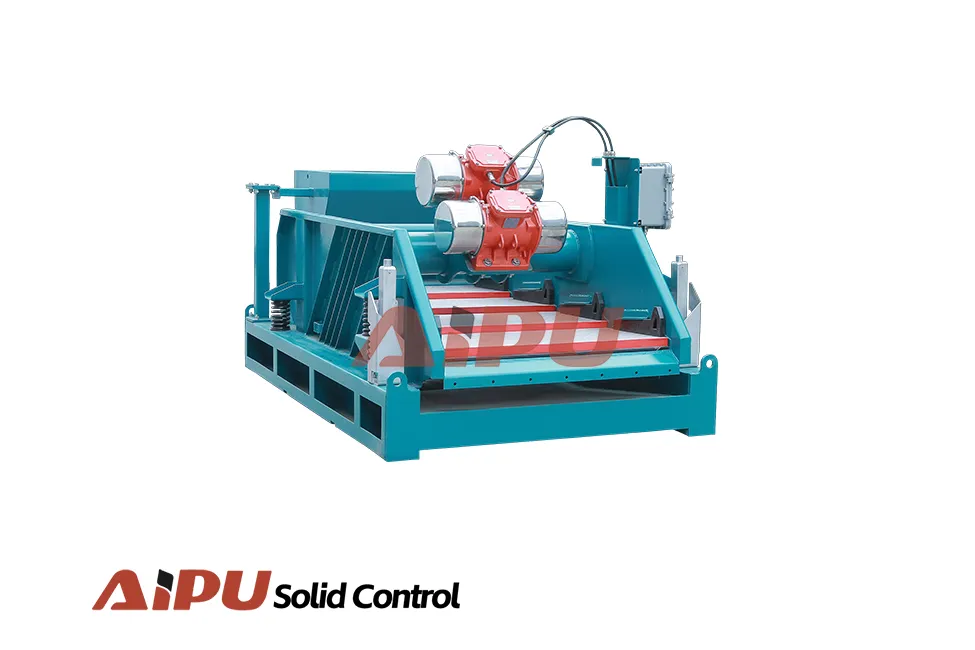
shale shaker capacity and flow rate management are critical to efficient solids control and overall drilling fluid performance. As the primary and first line of defense in a solids control system, the shaker directly impacts downstream equipment efficiency, drilling fluid costs, and overall wellbore stability. Optimizing these parameters ensures maximum solids removal while preserving valuable liquid phase and additives.
Technical Working Principle
Capacity refers to the maximum flow rate of drilling fluid a shaker can process while maintaining effective solids separation. This is governed by screen area, motion, and mesh count. Flow rate must be matched to the shaker's designed capacity; exceeding it leads to fluid bypass and poor cuttings discharge. Modern shakers utilize high-G, linear, or elliptical motions to maximize fluid throughput and solids conveyance across the screen panel.
Key Components and Specifications
Key specifications defining capacity include screen deck area, motor horsepower, and vibratory motion. Industry-standard units often feature:
- Deck Area: 4 to 8 square meters per unit for high-rate applications.
- Screen Mesh: 20 to 200+ mesh, with finer meshes reducing flow capacity.
- G-Force: Adjustable from 4-7G for delicate screening to over 7G for high-density fluids.
- Flow Rating: Typically 500-1,500 GPM per machine, with multiple units run in parallel for high-pressure, high-volume wells.
Operational Benefits
Properly sized shale shaker capacity delivers direct operational and economic benefits. Maximizing flow handling with efficient separation reduces the volume of whole fluid lost over the discharge, preserving expensive barite and chemical additives. This leads to lower dilution rates, decreased waste volumes, and reduced disposal costs. Furthermore, effective primary separation minimizes wear on downstream desanders, desilters, and centrifuges.
Industry Applications
Application dictates required capacity. High-volume land drilling and large-diameter top-hole sections often employ multiple high-capacity linear motion shakers in parallel. Offshore and HPHT operations may prioritize finer screening at slightly lower flow rates to handle weighted, oil-based muds. The trend towards multi-deck shakers allows for staged separation, increasing effective capacity by distributing the fluid load across progressively finer screens.
Maintenance Considerations
Sustaining design capacity requires disciplined maintenance. Key practices include:
- Regular inspection and tensioning of screen panels to prevent blinding and bypass.
- Monitoring vibration isolators and motor mounts to ensure proper motion and G-force.
- Keeping fluid distribution systems and back tanks clean to ensure even flow across the entire screen surface.
- Using appropriate screen cleaners and spray bars to prevent screen plugging.
Conclusion
Shale shaker capacity is a fundamental design and operational parameter with significant financial and technical implications. By selecting equipment with appropriate flow ratings for the specific application and maintaining it rigorously, drilling operations can achieve optimal solids control. This enhances drilling efficiency, reduces total fluid costs, and supports wellbore integrity, underscoring the shale shaker's vital role in modern drilling technology.