
Introduction
In solids control systems, the shale shaker and desilter are critical yet functionally distinct pieces of equipment. The shale shaker serves as the primary, high-capacity screening device, while the desilter acts as a secondary, fine-particle removal unit. Understanding their complementary roles is essential for optimizing drilling fluid properties, reducing waste, and controlling operational costs.
Technical Working Principle
The shale shaker utilizes high-frequency vibration to separate drilled solids from the drilling fluid via layered screen panels. It handles the total flow from the flow line, removing larger cuttings (typically > 74 microns). In contrast, a desilter is a hydrocyclone device that uses centrifugal force. It processes the underflow from the shaker and degasser, separating finer solids (15-44 micron range) by spinning the fluid slurry inside a cone.
Key Components and Specifications
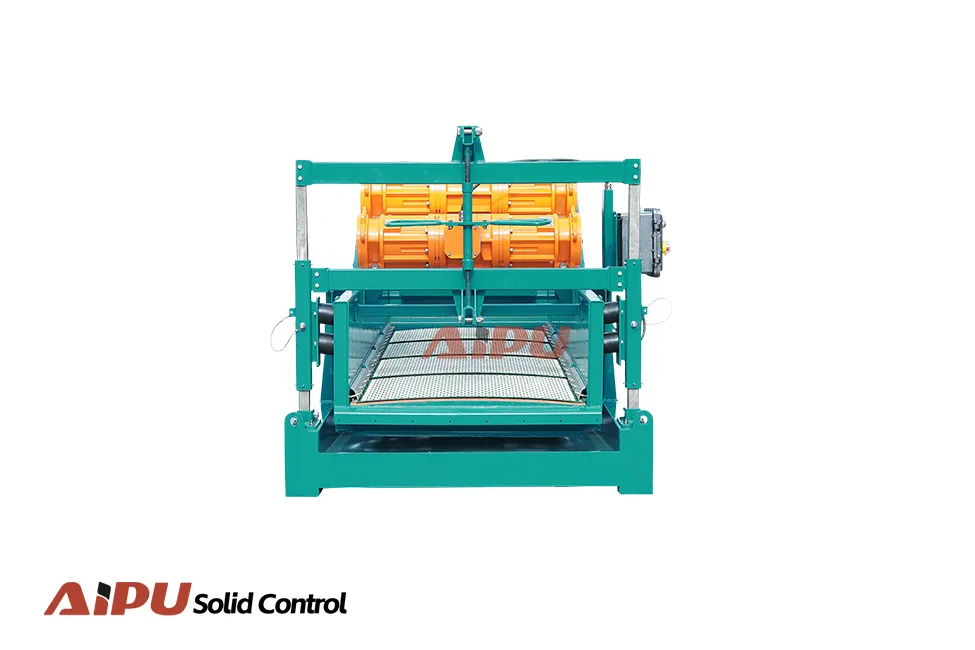
Key shale shaker specifications include screen mesh count (API 20 to API 325), deck configuration (single, double, or triple), and vibratory motion (linear, elliptical, or balanced elliptical). Desilters are specified by cone size (typically 4" or 5" diameter) and the number of cones in the manifold. Their performance is rated by flow rate capacity per cone and the specific gravity of the processed feed.
- Shale Shaker: Vibrator motors, screen panels, deck angle, flow capacity (GPM).
- Desilter: Hydrocyclone cones, manifold assembly, feed pump, and apex discharge.
Operational Benefits and Efficiency
The shale shaker provides the first and most cost-effective barrier for solids removal, protecting downstream equipment. Efficient shaker performance directly reduces the load on desilters, extending cone life and improving fine separation. Using a desilter after a shaker delivers cleaner fluid, which reduces dilution costs, improves drilling rate, and minimizes wear on pumps and drill strings.
Industry Applications and Configuration
In a standard mud tank arrangement, the shale shaker is the first processing unit. Its discharge is then routed through a degasser and desander before being fed to the desilter bank. This sequential processing is vital in weighted mud systems where barite retention is crucial; proper shaker screening prevents loss of valuable weighting material, which a desilter might otherwise discard.
Maintenance Considerations
Shale shaker maintenance focuses on screen integrity, tension, and replacement, as well as vibrator motor health. Desilter maintenance involves monitoring cone wear, especially at the apex and vortex finder, and ensuring the feed pump operates at correct pressure. A failed shaker screen can overload and plug desilter cones, highlighting the need for integrated system monitoring.
Conclusion
The shale shaker and desilter are not competitors but sequential partners in a closed-loop solids control system. The shaker's role in bulk solids removal is foundational to the desilter's ability to perform efficient fine-particle separation. Optimizing both units in tandem is the key to achieving superior drilling fluid performance, reducing environmental footprint, and maximizing cost efficiency throughout the drilling operation.