
Introduction
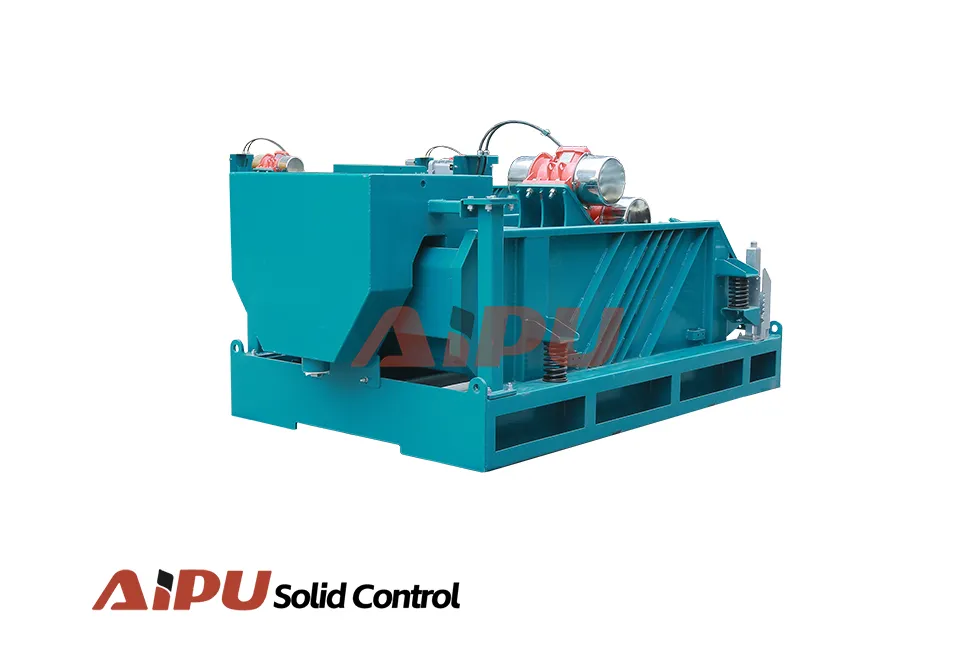
shale shaker deck angle is a critical operational parameter directly influencing solids control efficiency and fluid recovery. Precise adjustment allows drilling crews to optimize performance for varying mud properties and drilled solids loads, balancing processing capacity with liquid recovery. This technical control is fundamental to modern shale shaker technology, impacting overall drilling economics.
Technical Working Principle
The deck angle dictates the flow path and residence time of drilling fluid on the screen surface. A steeper angle increases conveyance velocity, enhancing solids discharge and preventing screen blinding in high-rate, high-solids scenarios. A shallower angle increases fluid retention time, improving liquid recovery and dewatering of finer solids, which is crucial for weighted mud systems.
Key Components and Specifications
Modern shakers feature hydraulic or electric linear actuators for dynamic angle adjustment. Key specifications include:
- Adjustment Range: Typically from -1° to +5° relative to horizontal.
- Actuation Force: Sufficient to move the loaded deck assembly (often 1-2 tons).
- Control Interface: Integrated into the shaker's PLC or remote control panel for real-time adjustment.
- Position Feedback: Sensors provide accurate angle readout to the operator.
Operational Benefits
Real-time deck angle optimization delivers significant field benefits. It maximizes fluid recovery, reducing mud losses and associated chemical costs. By optimizing solids conveyance, it extends screen life and improves overall solids removal efficiency, leading to cleaner drilling fluid downstream. This directly reduces waste volumes and disposal costs.
Industry Applications
Applications vary by drilling phase:
- Top-Hole Sections: Steeper angles handle high flow rates and large, sticky cuttings.
- Production Zones: Shallower angles preserve expensive, weighted oil-based mud.
- High-Penetration Rate Intervals: Dynamic adjustment responds to sudden increases in solids loading.
- ERD Wells: Critical for managing mud properties over extended distances.
Maintenance Considerations
Regular inspection of the adjustment mechanism is vital. Maintenance protocols should include checking actuator seals for fluid ingress, verifying lubrication on pivot points, and calibrating angle sensors. Ensuring the deck moves freely without binding from dried solids is essential for reliable operation and precise control.
Conclusion
Dynamic deck angle adjustment represents a mature but vital innovation in shale shaker technology. It provides drilling engineers with a powerful, real-time tool to manage the critical first stage of solids control. By enabling precise tuning to well conditions, it delivers tangible improvements in drilling fluid performance, operational efficiency, and cost management, solidifying its role as a standard feature on high-performance shale shakers.