
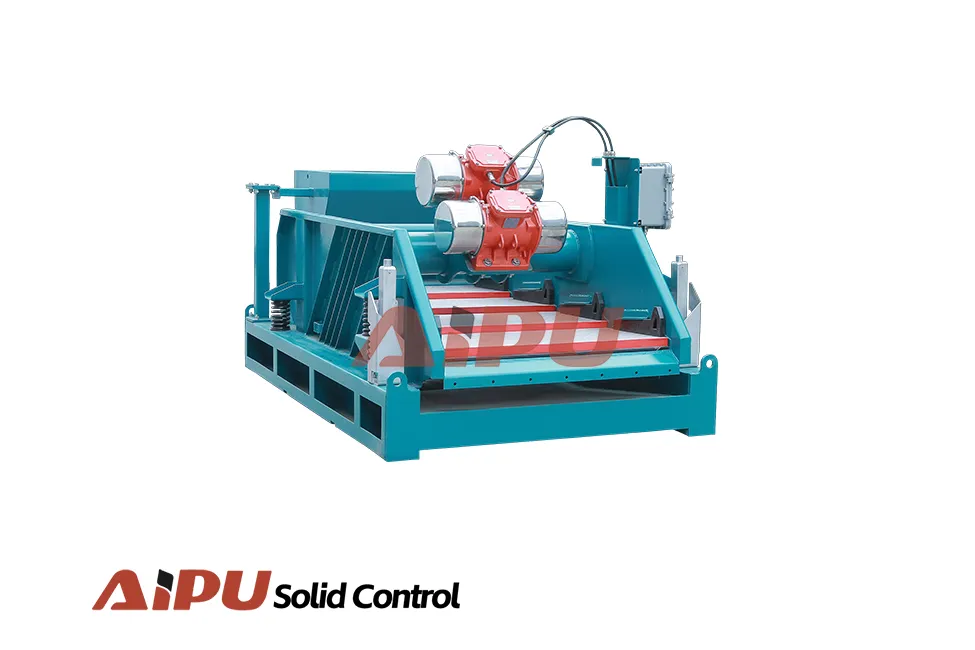
Introduction to shale shakers
A shale shaker is the primary and most critical solid control equipment in drilling operations. It is a vibrating sieve, typically the first stage in a mud cleaning system, designed to remove large drilled cuttings (solids) from the circulating drilling fluid (mud). Efficient shale shaker performance is paramount for maintaining mud properties, protecting downstream equipment, and ensuring overall drilling efficiency and cost control.
Technical Working Principle
The shale shaker operates on a principle of vibratory separation. Contaminated drilling fluid is fed onto a vibrating screen mesh. High-frequency, linear or elliptical motion from vibrating motors (or exciters) conveys solids across the screen surface while allowing liquid and finer particles to pass through. The key separation variables are vibration intensity (G-force), screen mesh size, and flow rate. Modern shakers utilize balanced elliptical or linear motion to optimize solids conveyance and fluid throughput.
Key Components and Specifications
A shale shaker's performance is defined by its core components and their specifications. Key elements include:
- Screen Panels: Layered mesh with precise aperture sizes (e.g., API 80 to API 200). Modern composite screens offer higher durability and throughput.
- Vibration Mechanism: Dual motor exciters generating 4-7 G's of acceleration for effective solids conveyance and separation.
- Deck Configuration: Single, double, or triple decks for staged separation, increasing solids removal efficiency.
- Flow Capacity: Rated for specific flow rates, often exceeding 1000 GPM per unit, to handle high-pressure, high-volume drilling.
Operational Benefits and Efficiency
Properly functioning shale shakers deliver direct operational and economic benefits. They significantly reduce non-productive time (NPT) associated with mud-related problems, lower total fluid costs by enabling reuse, and minimize waste disposal volumes. By removing large cuttings, they protect downstream hydrocyclones and centrifuges from premature wear, extending the life of the entire solids control system and reducing maintenance costs.
Industry Applications and Trends
Shale shakers are indispensable across all drilling applications, from conventional vertical wells to complex extended-reach and shale gas horizontals. Current technology trends focus on increased screening area, finer mesh capabilities for weighted muds, and integration with IoT for real-time performance monitoring. Automated panel tensioning systems and improved screen technology are pushing the limits of separation efficiency, which is critical for expensive synthetic-based mud systems.
Maintenance Considerations
Routine maintenance is essential for peak shale shaker performance and longevity. Critical practices include:
- Regular inspection and replacement of worn screen panels.
- Checking and maintaining proper screen tension to prevent blinding and premature failure.
- Monitoring vibration motor bearings and lubrication schedules.
- Ensuring feed and discharge areas are clear to prevent overflow and improper distribution.
Conclusion
The shale shaker remains the foundational technology for drilling fluid solids control. Its continuous evolution—driven by demands for higher efficiency, automation, and compatibility with advanced mud systems—directly contributes to safer, faster, and more cost-effective drilling operations. Understanding its definition, principle, and proper application is fundamental for drilling engineers aiming to optimize wellsite performance and economics.