
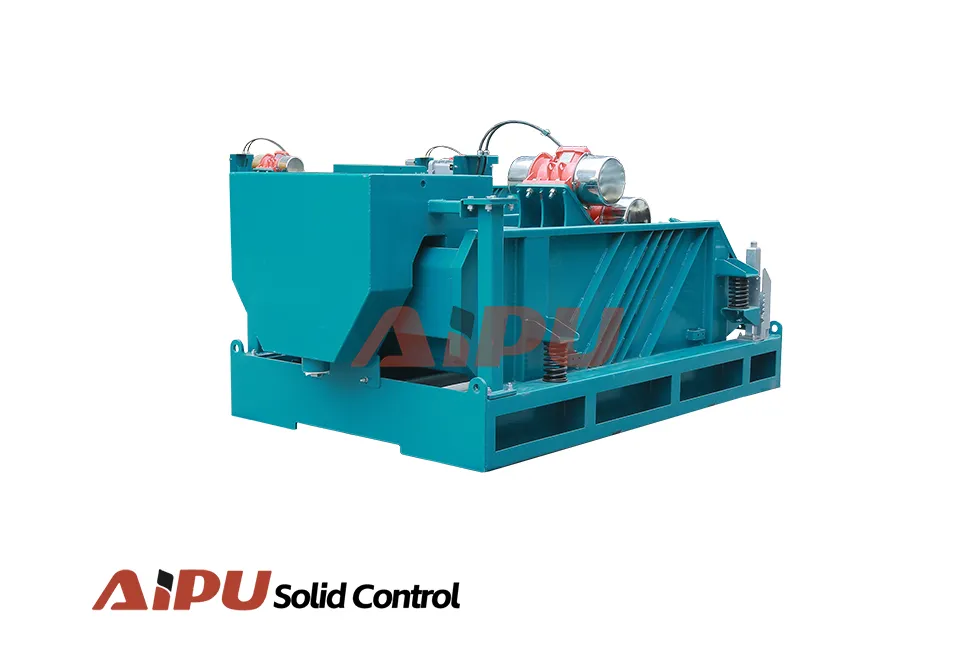
Introduction to shale shaker Equipment
As the primary and most critical component of any solids control system, the shale shaker is responsible for the initial separation of drilled cuttings from the drilling fluid (mud). Its performance directly impacts downstream equipment efficiency, drilling fluid properties, and overall well construction economics. Modern shale shakers are high-capacity, precision screening machines essential for maintaining a clean, stable mud system.
Technical Working Principle
Shale shakers utilize high-frequency, multi-dimensional motion to convey and screen drilling fluid across layered mesh screens. The vibratory motion, generated by rotating eccentric weights, creates a combination of linear, elliptical, or balanced elliptical motion patterns. This action fluidizes the mud slurry, forcing it through the screen panels while transporting larger solids (typically >74 microns) to the discharge end. The G-force, screen angle, and vibration frequency are precisely tuned for optimal solids conveyance and liquid throughput.
Key Components and Specifications
A robust shale shaker consists of several critical subsystems. Understanding these specifications is vital for equipment selection.
- Vibratory Motors: Dual, adjustable-frequency motors (0-4.5 G-force typical) providing the screening motion.
- Screen Panels: Layered, tensioned mesh screens (API 80 to API 325) mounted on a rigid frame. Pyramid or flat panel designs are common.
- Deck Configuration: Single, double, or triple decks for staged separation, increasing solids removal efficiency.
- Flow Capacity: Rated for specific flow rates (e.g., up to 1800 GPM) and mud weight ranges to handle peak circulation.
- Skid & Basket: Structural base and vibrating basket that houses the screens, designed for harsh environments.
Operational Benefits and Efficiency Gains
Properly sized and operated shale shakers deliver substantial operational and financial advantages.
- Mud Conservation: Efficient removal of drilled solids minimizes dilution and chemical treatment costs.
- Equipment Protection: Cleaner mud reduces wear on pumps, drill bits, and downstream solids control equipment.
- ROP Enhancement: Effective solids control allows for maintenance of optimal mud rheology, potentially improving rate of penetration.
- Waste Reduction: Drier discharged cuttings reduce total waste volume and associated haul-off costs.
Industry Applications and Deployment
Shale shaker technology is deployed across all drilling environments but is specifically tailored for application demands. On land-based rigs, compact, high-G units are standard. Offshore, multi-deck, high-capacity shakers with corrosion-resistant materials are critical. The advent of ultra-fine screens (API 250 and finer) is particularly crucial for synthetic-based mud (SBM) and oil-based mud (OBM) systems to minimize expensive fluid loss.
Maintenance Considerations for Peak Performance
Proactive maintenance is key to sustained shaker performance and longevity.
- Daily inspection of screen integrity, tension, and seal condition to prevent bypass.
- Regular greasing of vibratory motor bearings per manufacturer specifications.
- Monitoring for changes in vibration pattern or noise, indicating potential motor imbalance or structural issues.
- Ensuring feed and discharge areas are kept clear to prevent plugging and ensure proper solids conveyance.
Conclusion
Shale shaker technology remains the frontline defense in solids control. Continuous innovation in motion dynamics, screen technology, and automation for screen changing and monitoring drives efficiency. Selecting the correct shaker configuration and maintaining it rigorously is a direct investment in drilling fluid performance, leading to significant cost savings, improved operational safety, and enhanced overall drilling efficiency.