
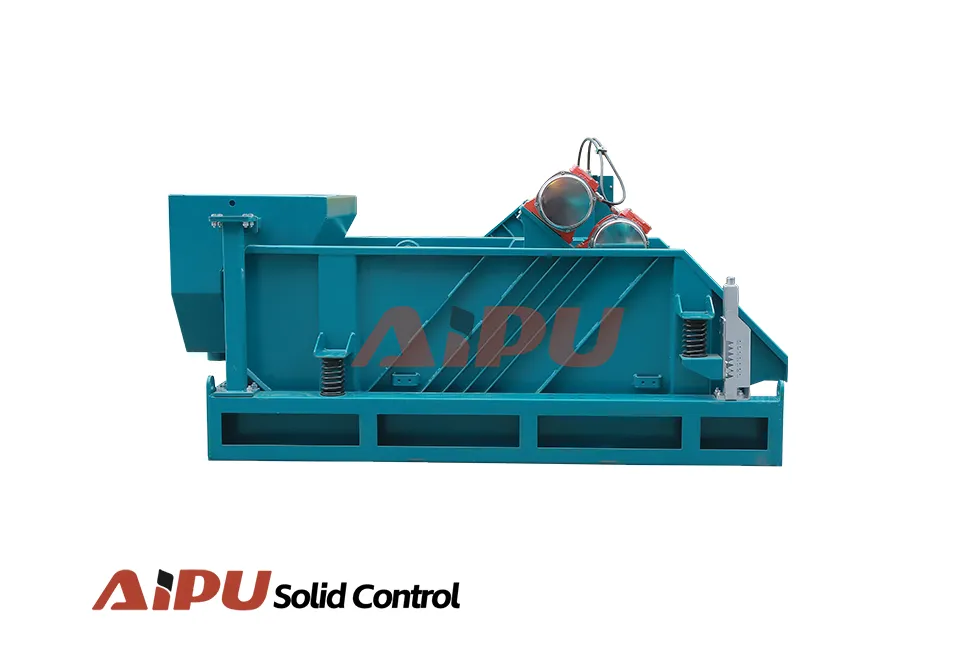
Introduction to shale shaker Equipment
Shale shakers serve as the primary and most critical solids control equipment on any drilling rig. As the first line of defense in the mud system, they are responsible for removing large drilled cuttings from the drilling fluid (mud), ensuring its properties are maintained for efficient drilling, wellbore stability, and equipment protection. Their performance directly impacts overall drilling efficiency, cost, and environmental compliance.
Technical Working Principle
Shale shakers operate on the principle of vibratory screening. A high-speed vibratory motion, typically generated by unbalanced motors or exciters, is imparted to a screen deck mounted at a slight incline. As the fluid-cuttings mixture (the "mud") flows onto the screen, the vibration stratifies the material, forcing liquid and fine particles through the screen mesh while conveying larger solids off the discharge end. Key vibration types include linear, elliptical, and balanced elliptical, each suited to specific mud types and cutting profiles.
Key Components and Specifications
Modern shale shakers are engineered for high-capacity and fine screening. Critical specifications include screen mesh size (ranging from 20 to 200+ mesh), deck configuration (single, double, or triple), and vibratory motor G-force (often 4-7 G's). Primary components are:
- Vibrating Basket: Holds the screen panels; its motion is the core of separation.
- Screen Panels: Precision-woven or composite panels with specific mesh sizes.
- Motors/Exciters: Provide the necessary vibratory force and motion.
- Skid Base & Flow Diverters: Direct mud flow and integrate with the mud tank system.
Operational Benefits and Efficiency
Effective shale shaker operation delivers substantial economic and operational advantages. By removing solids at the first opportunity, they reduce the load on downstream equipment (desanders, desilters, centrifuges), lowering maintenance costs. They conserve drilling fluid, a significant expense, by allowing clean mud to be recirculated. Furthermore, efficient solids control minimizes wear on pumps and bottom-hole assemblies, improves rate of penetration (ROP), and enhances overall wellbore quality.
Industry Applications and Trends
Shale shakers are ubiquitous across all drilling operations, from conventional vertical wells to complex extended-reach horizontal wells in shale plays. Current industry trends focus on increasing processing capacity and "fine-screen" capabilities to manage higher flow rates and finer cuttings from modern PDC bits. Innovations include:
- High-G, multi-deck shakers for maximum solids removal.
- Composite, non-blinding screen technology.
- Integration with IoT for real-time monitoring of vibration, screen integrity, and flow rates.
Maintenance Considerations
Proactive maintenance is essential for peak shaker performance and longevity. Daily checks should include inspecting screen panels for tears or plugging, ensuring proper tension, and checking motor mounts and vibration isolation elements. Regular lubrication of bearings and timely replacement of worn components prevent catastrophic failure and costly downtime. Proper screen selection for the specific drilling phase is a critical operational maintenance decision.
Conclusion
As drilling fluids and well programs become more complex, the role of advanced shale shaker technology becomes increasingly vital. Selecting the correct shaker configuration, screen mesh, and operating parameters is a fundamental engineering decision that drives drilling performance. By ensuring optimal solids removal at the surface, shale shakers protect the entire mud system, directly contributing to safer, faster, and more cost-effective drilling operations.