
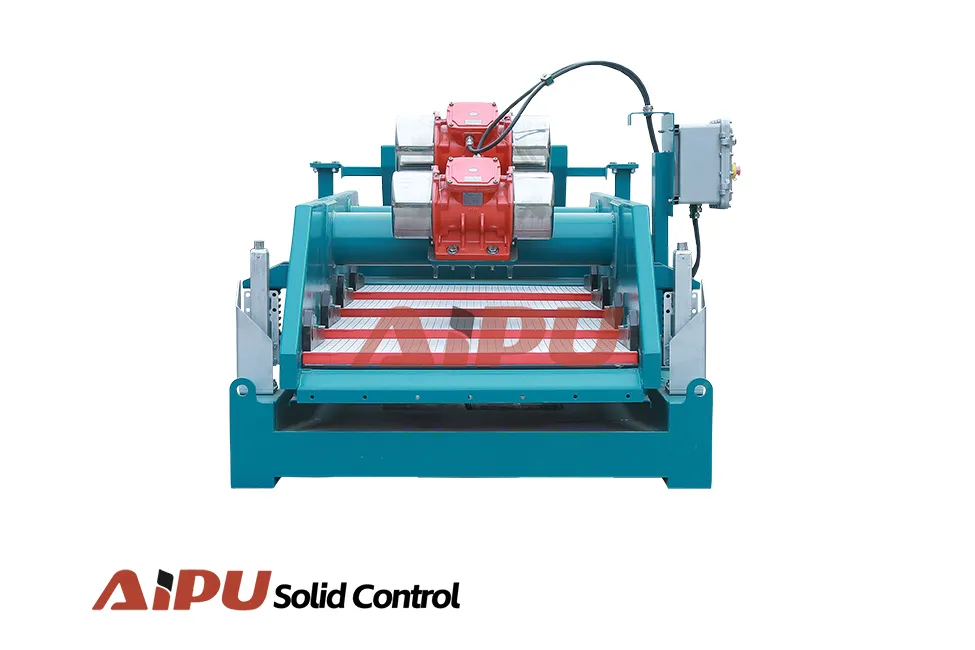
Introduction to shale shakers in Solids Control
Shale shakers are the primary and most critical component of any drilling rig's solids control system. As the first line of defense, they remove large drill cuttings from the drilling fluid (mud) using high-frequency vibration and screen panels. Efficient shale shaker operation is paramount for maintaining mud properties, reducing downstream equipment load, and controlling overall well construction costs.
Technical Working Principle
Shale shakers operate on the principle of vibratory screening. A motor-driven vibrator imparts a high-frequency, linear or elliptical motion to a basket deck fitted with replaceable mesh screens. As fluid flows onto the screen, the vibration stratifies the material, allowing liquid and fine particles to pass through (the "throughs") while conveying larger solids off the screen's discharge end (the "overs"). Modern units often feature multi-deck configurations for staged separation.
Key Components and Specifications
Key components include the vibrating basket, screen panels, vibrator motors, and a base structure. Critical technical specifications that define performance include:
- Screen Mesh Size: Ranges from coarse (API 20-30) to ultra-fine (API 200+), measured in microns.
- Deck Layout: Single, double, or triple decks for cascading separation.
- G-Force: Typically 4-7 G's, influencing solids conveyance and fluid throughput.
- Flow Rate Capacity: Rated in gallons per minute (GPM), often exceeding 1,500 GPM for high-performance units.
- Drive Type: Balanced elliptical or linear motion for optimal solids transport.
Operational Benefits and Efficiency
Properly sized and operated shale shakers deliver substantial operational benefits. They directly protect downstream hydrocyclones and centrifuges, extend mud life by removing drilled solids, and reduce dilution and chemical treatment costs. Efficient solids removal at the shaker improves rate of penetration (ROP), enhances wellbore stability, and minimizes equipment wear, leading to significant cost savings per foot drilled.
Industry Applications and Trends
Shale shaker technology is continuously evolving to meet industry demands. Applications extend beyond conventional drilling to include high-pressure, high-temperature (HPHT) wells and complex directional profiles. Current trends focus on improved screen technology with non-blinding coatings, integrated drying systems for waste minimization, and smart shakers with IoT sensors for real-time monitoring of vibration, flow, and screen integrity to optimize performance.
Maintenance Considerations
Routine maintenance is crucial for sustained shale shaker efficiency and longevity. Key practices include:
- Regular inspection and tensioning of screen panels to prevent premature failure.
- Monitoring vibrator motor amperage and temperature for signs of imbalance or overload.
- Keeping fluid distribution systems (weirs) clean to ensure even flow across the entire screen surface.
- Following a strict preventive maintenance schedule for bearings and motor mounts.
Conclusion
As the cornerstone of solids control, advanced shale shaker equipment is indispensable for modern, cost-effective drilling operations. By leveraging precise vibratory separation and robust design, they ensure drilling fluid integrity, reduce environmental footprint, and contribute directly to the safety and economic success of the well. Investing in proper shaker selection, operation, and maintenance remains one of the highest-return decisions in drilling engineering.