
Introduction
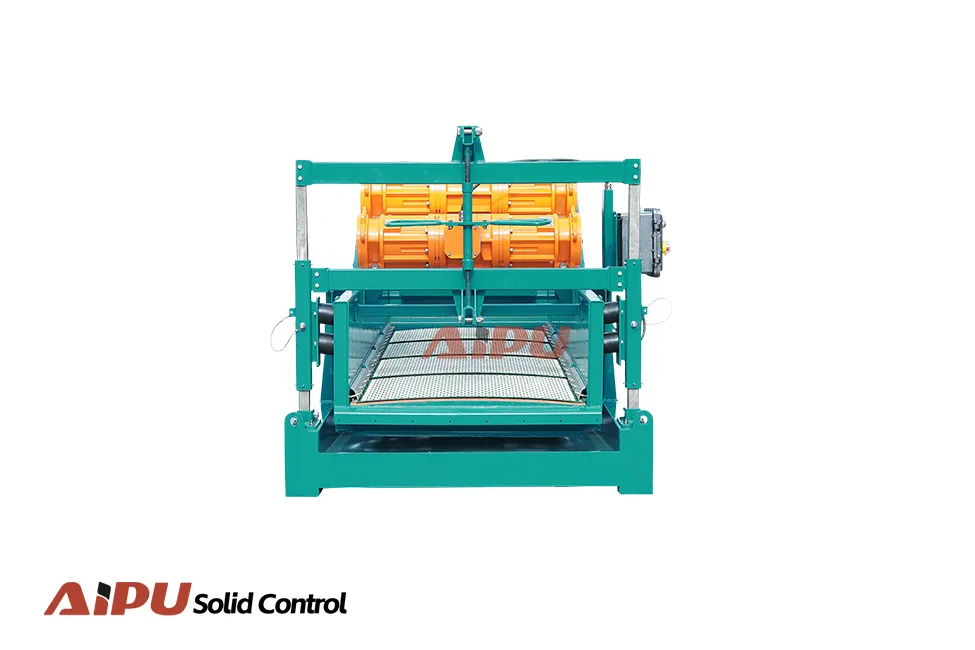
A shale shaker is the primary and most critical solid control equipment on a drilling rig. Its primary function is to remove large, coarse drilled solids, or "cuttings," from the drilling fluid (mud) using high-frequency vibration and screen panels. Efficient first-stage separation is paramount for protecting downstream equipment, maintaining mud properties, and ensuring overall drilling efficiency and cost control.
Technical Working Principle
The shale shaker operates on a simple yet effective principle: mechanical sieving via vibration. Contaminated drilling fluid flows onto a vibrating screen deck. The high-frequency, linear or elliptical motion imparted by vibrating motors (often unbalanced motors) fluidizes the mud, forcing it through the screen mesh while conveying solids toward the discharge end. The separation cut point is directly determined by the screen mesh size, typically measured in API units (e.g., 84, 120, 200 mesh).
Key Components and Specifications
Modern shale shakers are engineered for high performance and reliability. Key specifications include:
- Deck Configuration: Single, double, or triple decks for cascading separation.
- Screen Type: Pretensioned, hook-strip, or pyramid screens; mesh sizes from API 20 to API 325+.
- Vibration Mechanism: Dual, counter-rotating motors generating linear or elliptical motion; G-forces ranging from 4.5G to 7.5G.
- Flow Capacity: Rated for specific flow rates (e.g., 800-1200 GPM) based on deck area and shaker design.
Operational Benefits
Proper shale shaker operation delivers significant tangible benefits to the drilling operation:
- Mud Conservation: Efficient solids removal reduces dilution and chemical treatment costs.
- Equipment Protection: Protects centrifuges, pumps, and bits from abrasive wear.
- Drilling Efficiency: Maintains optimal mud weight and rheology, enhancing ROP and reducing non-productive time (NPT).
- Environmental Compliance: Produces drier cuttings, reducing waste volume and disposal costs.
Industry Applications
Shale shaker technology is vital across all drilling environments but is particularly crucial in:
- High-Pressure, High-Temperature (HPHT) Wells: Where precise mud control is non-negotiable.
- Directional and Horizontal Drilling: Managing high solids loading from extended reach laterals.
- Shale Plays: Handling the specific cuttings characteristics from unconventional formations.
Maintenance Considerations
Preventive maintenance is essential for peak shaker performance and longevity. Key practices include:
- Regular inspection and replacement of worn screen panels.
- Checking motor mounts, vibration isolators, and tensioning systems.
- Ensuring proper feed distribution and avoiding screen flooding.
- Monitoring for changes in vibration pattern or unusual noise.
Conclusion
The shale shaker remains the workhorse of rig-site solids control. Advancements in screen technology, motion dynamics, and automation continue to push the boundaries of separation efficiency. A well-maintained and properly operated shale shaker is a direct contributor to safer, faster, and more economical drilling operations, forming the indispensable first line of defense in drilling fluid management.