
Introduction
As the primary and most critical component of a drilling rig's solids control system, the shale shaker performs the first-stage removal of drilled cuttings and large solids from the drilling fluid. Its efficiency directly impacts downstream equipment performance, drilling fluid properties, and overall operational economics. A high-performance first-stage shale shaker is fundamental to maintaining a clean, stable mud system, reducing waste volumes, and protecting expensive drilling equipment from abrasive wear.
Technical Working Principle
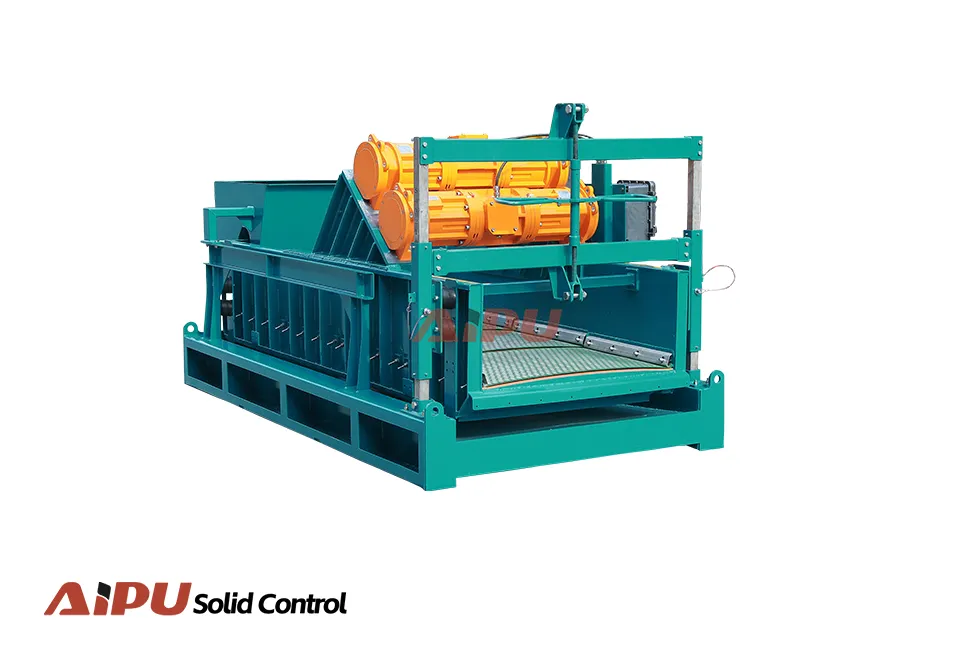
A shale shaker utilizes high-frequency, linear or elliptical motion to convey drilling fluid across a vibrating screen deck. As the fluid mixture flows over the screen panels, undersized particles (typically below 74 microns for the first stage) and liquid pass through the screen mesh as "throughput," while oversized solids are conveyed off the discharge end as "cuttings." The motion is generated by dual, counter-rotating vibrator motors creating a balanced, linear force, optimizing solids conveyance and liquid throughput without flooding the screen.
Key Components and Specifications
Modern first-stage shakers are engineered for high capacity and reliability. Key specifications and components include:
- Screen Deck: Often triple-deck design with pretensioned pyramid or flat screens, mesh sizes ranging from 20 to 325 API.
- Vibration Motors: Dual, adjustable-speed motors (typically 3-5 G-force) allowing tuning for specific mud properties.
- Flow Capacity: Designed to handle 100% of the total rig circulating volume, often exceeding 1,500 GPM.
- Deck Angle: Adjustable deck angle (typically -1° to +5°) to control solids retention time.
Operational Benefits
Effective first-stage solids control delivers substantial operational and financial advantages.
- Mud Conservation: Maximizes recovery of valuable drilling fluid, reducing fresh mud additions and associated chemical costs.
- Downstream Protection: Removes large, abrasive solids, protecting desanders, desilters, and centrifuges from premature wear and plugging.
- Waste Reduction: Produces drier cuttings, significantly lowering haul-off and disposal costs and environmental footprint.
Industry Applications
First-stage shale shakers are deployed on every land and offshore drilling rig. Their application is critical in high-pressure, high-temperature (HPHT) wells where fluid stability is paramount, and in large-diameter surface hole sections where solids loading is extreme. Innovations like fine-mesh, high-G shakers now allow the first stage to also perform secondary clarification duties, streamlining the entire solids control process.
Maintenance Considerations
Proactive maintenance is essential for sustained performance. Key practices include daily inspection of screen integrity for tears or blinding, regular checking of vibrator motor mounts and electrical connections, and ensuring feed and discharge areas are clear. Implementing a structured screen change-out schedule based on observed wear, rather than a fixed timeline, optimizes performance and cost.
Conclusion
The first-stage shale shaker remains the indispensable workhorse of solids control. Continuous advancements in motion technology, screen design, and structural durability have dramatically increased its efficiency and reliability. Investing in and properly maintaining high-capacity shale shaker technology is a direct contributor to reduced non-productive time, lower drilling fluid costs, and more environmentally compliant operations, solidifying its role as the foundational step in modern drilling fluid management.