
Introduction
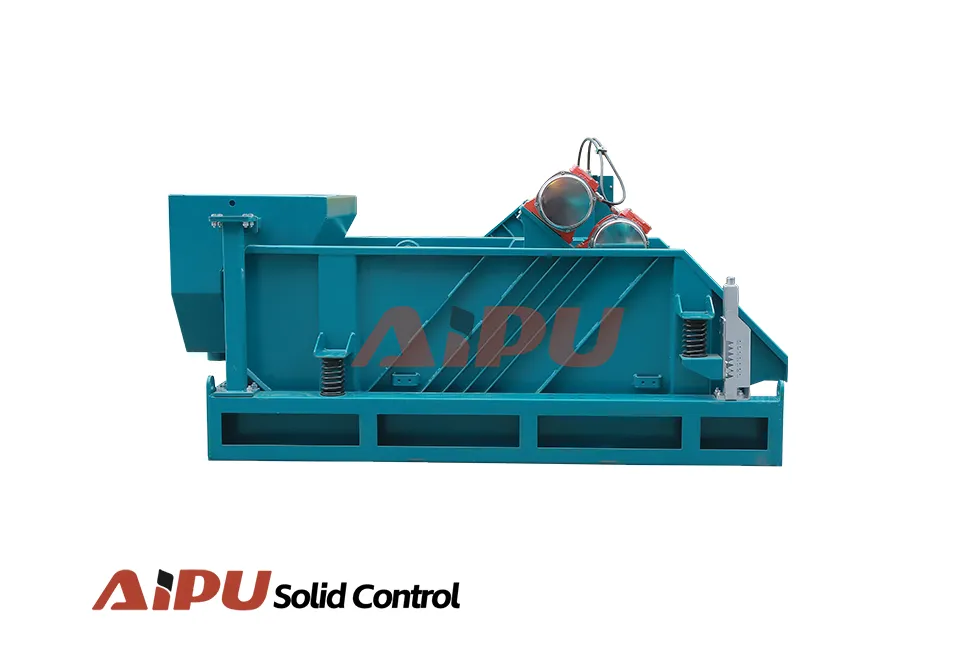
The shale shaker is the primary and most critical solids control equipment in any drilling fluid system. As the first line of defense, it removes large drilled cuttings from the drilling mud, protecting downstream equipment and maintaining mud properties essential for efficient and safe drilling operations. Its performance directly impacts overall well costs, fluid losses, and environmental compliance.
Technical Working Principle
Shale shakers utilize high-frequency, linear or elliptical motion to convey and separate solids across a vibrating screen deck. Drilled mud is distributed onto the screen surface; liquid and fine particles pass through the mesh as "throughput," while larger cuttings are conveyed off the discharge end as "overs." The screen's motion prevents blinding and ensures maximum fluid recovery.
Key Components and Specifications
Modern shale shakers are engineered for high-capacity, fine-screen separation. Key specifications include:
- Deck Configuration: Single, double, or triple decks for staged separation.
- Motion Type: Linear motion for dry cuttings; elliptical/biaxial for high flow rates.
- Screen Mesh: Ranges from coarse (API 20-30) to ultra-fine (API 200+), measured in microns.
- G-Force: Typically 4-7 G's, adjustable for optimal solids conveyance and fluid handling.
- Drive System: Dual motor, synchronized vibrators for balanced motion.
Operational Benefits
Efficient shale shaker operation delivers substantial field advantages:
- Reduces total fluid volume and associated chemical costs.
- Minimizes waste disposal volumes and costs.
- Protects centrifugal pumps, desanders, and desilters from abrasion.
- Maintains optimal mud weight and rheology, enhancing drilling rate and wellbore stability.
Industry Applications
Shale shaker technology is tailored for specific drilling environments. In high-pressure, high-temperature (HPHT) wells, shakers use fine screens to maintain low solids. For high-rate production drilling, multi-deck units handle large flow volumes. The advent of closed-loop and zero-discharge systems has further elevated the shaker's role in environmental management.
Maintenance Considerations
Proactive maintenance is crucial for sustained performance and uptime. Key practices include daily inspection of screen integrity and tension, regular cleaning of fluid distribution pans, and monitoring vibrator motor amperage. Proper screen selection—balancing mesh size, conductance, and compatibility with mud type—is the single most important operational factor.
Conclusion
As drilling programs target more complex formations with stricter economic and environmental constraints, shale shaker technology remains foundational. Innovations in screen technology, motion dynamics, and integration with digital monitoring systems continue to push the boundaries of separation efficiency, delivering direct cost savings and operational reliability for the modern drilling rig.