
Introduction
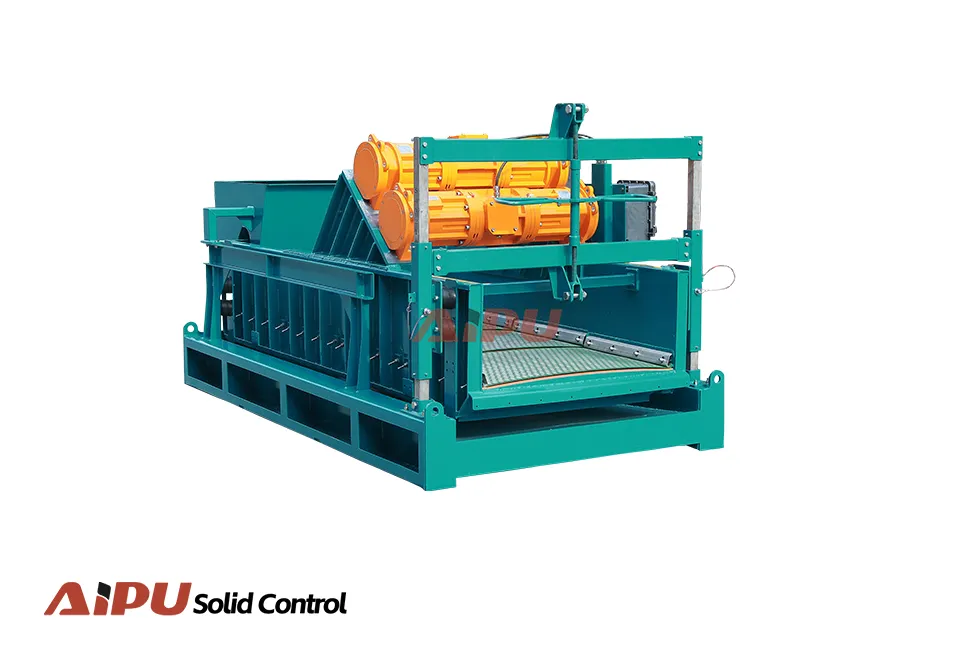
In modern drilling operations, the shale shaker serves as the primary and most critical solids control equipment. Its primary function is to remove large drilled cuttings from the drilling fluid (mud) using high-frequency vibration and screened mesh, ensuring the mud's properties are maintained for efficient wellbore pressure control and hole cleaning. Effective shale shaker performance is foundational to overall drilling waste management, directly impacting operational efficiency, environmental compliance, and cost.
Technical Working Principle
Shale shakers operate on the principle of vibratory screening. A motor-driven vibrator imparts a high-frequency, linear or elliptical motion to a screen deck mounted at a slight incline. As the fluid-cuttings mixture (the "returns") flows onto the screen, the vibration stratifies the material, forcing liquid and fine particles through the screen mesh while conveying larger solids off the discharge end. Key variables include vibration G-force (typically 4-7 Gs), screen mesh count, and deck angle, all optimized for specific drilling phases.
Key Components and Specifications
A robust shale shaker comprises several precision-engineered components. Understanding their specifications is crucial for selection and operation.
- Screen Deck & Mesh: Single or multi-deck configurations with API-standard screens (e.g., API 80 to API 200). Mesh selection balances solids removal with fluid loss.
- Vibrator Assembly: Dual, counter-rotating motors generating adjustable high-frequency vibration (e.g., 1800-3600 RPM).
- Skid & Basket: Structural frame designed for harsh conditions, with proper deck slope adjustment (0-5°).
- Feed & Discharge Hoppers: Ensure even distribution of returns and controlled solids discharge.
Operational Benefits
Properly functioning shale shakers deliver substantial economic and operational advantages.
- Mud Conservation: Efficient solids removal reduces dilution and chemical treatment costs, preserving valuable drilling fluid.
- Downstream Protection: Protects finer solids control equipment (desanders, desilters, centrifuges) from overload, extending their lifespan.
- Reduced Waste Volume: Dryer discharged cuttings lower total waste hauling and disposal costs.
- Enhanced ROP: Cleaner mud improves rate of penetration and overall drilling efficiency.
Industry Applications
Shale shaker technology is tailored for diverse drilling environments. On land-based and offshore rigs, they handle various mud types, including water-based, oil-based, and synthetic-based fluids. In high-pressure, high-temperature (HPHT) wells, specialized shakers with robust seals and corrosion-resistant materials are deployed. The advent of ultra-high-speed linear motion shakers has been pivotal in managing the high flow rates and fine solids common in directional and shale drilling operations.
Maintenance Considerations
Maximizing shaker uptime requires proactive maintenance. Daily inspections should include checking screen integrity for tears or blinding, ensuring vibrator motor mounts are secure, and verifying proper tension on polyurethane screen panels. Regular lubrication of bearings and timely replacement of worn isolation mounts are essential to prevent catastrophic failure and maintain optimal vibration dynamics, which directly affect screening efficiency and fluid throughput.
Conclusion
The shale shaker remains an indispensable technology for drilling waste control. Its continuous evolution—toward higher G-forces, improved screen technology, and smarter monitoring systems—directly contributes to more sustainable and cost-effective drilling. For drilling engineers, selecting the correct shaker configuration and maintaining its peak performance is a critical operational decision that underpins successful well construction and effective solids management from spud to TD.