
Introduction
The shale shaker is the primary and most critical solids control equipment in any drilling fluid system. As the first line of defense, its primary function is to remove large drilled solids (typically >74 microns) from the drilling mud, protecting downstream equipment and maintaining mud properties. Efficient shale shaker operation is paramount for reducing overall drilling costs, minimizing waste, and ensuring wellbore stability.
Technical Working Principle
Shale shakers utilize high-frequency, linear or elliptical motion to convey cuttings across a vibrating screen deck. As weighted or unweighted mud flows onto the screen, liquid and fine particles pass through the mesh, while larger solids are transported off the discharge end. Key motion types include balanced elliptical for sticky solids and linear for high-throughput drying. The G-force, typically ranging from 4.5 to 7.0 G's, is a critical performance parameter.
Key Components and Specifications
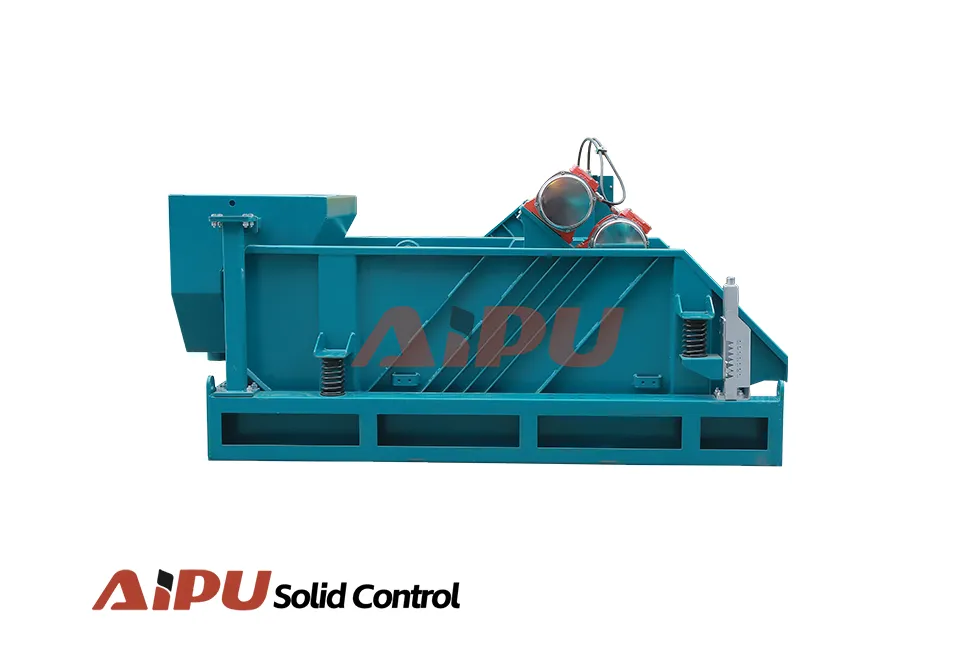
A modern shale shaker consists of several precision components. Understanding their specifications is crucial for selection and operation.
- Vibrator Motors: Provide the screening motion; often dual, adjustable-frequency motors (0-25 Hz).
- Screen Deck: Often multi-deck (2-3 tiers) with layered mesh screens (API 20 to API 325).
- Screen Panels: Composite, pre-tensioned panels with hook-strip or bonded edge mounting.
- Flow Capacity: Rated up to 1,200 GPM per unit, depending on mud weight and solids loading.
Operational Benefits
Properly sized and operated shale shakers deliver substantial returns on investment.
- Mud Conservation: Efficient solids removal reduces dilution requirements and barite consumption.
- Equipment Longevity: Protects desanders, desilters, and centrifuges from premature wear.
- Reduced Disposal Costs: Drier cuttings lower haul-off volumes and associated costs.
- Enhanced ROP: Cleaner mud improves rate of penetration and overall drilling efficiency.
Industry Applications
Shale shaker technology is tailored to specific drilling environments. On high-pressure, high-temperature (HPHT) wells, shakers must handle oil-based muds (OBM) with fine screen meshes. In top-hole sections, coarser screens manage high flow rates. The advent of shale plays has driven demand for high-G, multi-deck shakers capable of handling abrasive proppant flowback during completions.
Maintenance Considerations
Proactive maintenance ensures peak performance and uptime. Daily inspections should include checking screen integrity for tears or blinding, verifying motor mounting bolts are torqued, and ensuring the spray bar (if used) is unclogged. Screen life is the most variable cost; optimal life is achieved by avoiding excessive feed rates and using compatible fluid chemicals.
Conclusion
As the cornerstone of solids control, the shale shaker's role in modern drilling operations cannot be overstated. Continuous innovations in motion, screen technology, and automation are pushing the boundaries of separation efficiency. Selecting the correct shaker technology and maintaining it rigorously is a direct contributor to safer, faster, and more economical drilling programs.