
Introduction
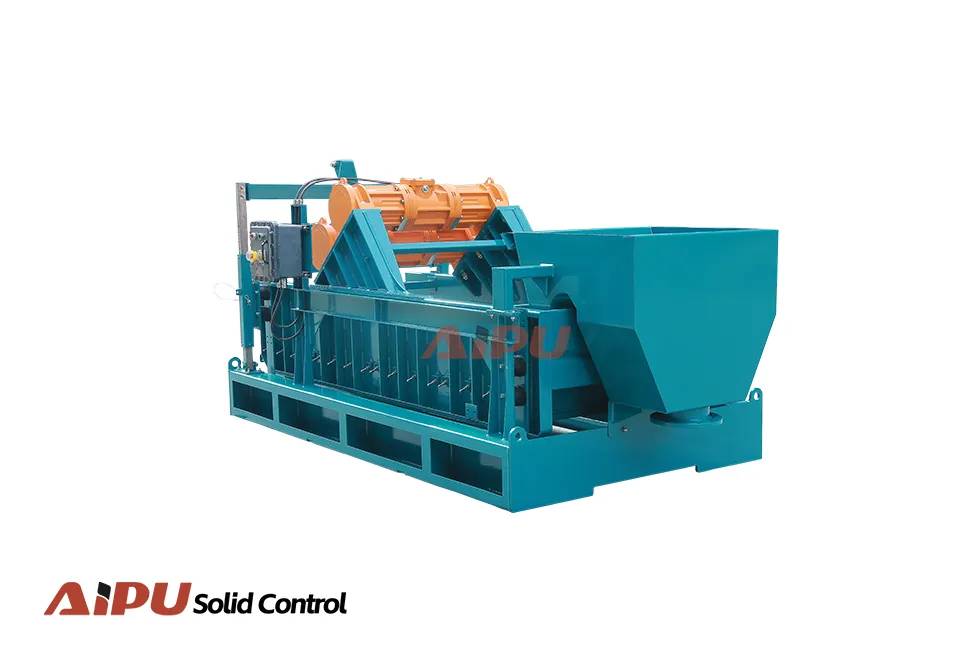
The shale shaker is the primary and most critical solids control device in any drilling fluid system. Its primary function is to remove large drilled cuttings from the drilling mud, enabling effective mud recycling. By performing this initial separation, it protects downstream equipment and maintains the mud's desired properties, directly impacting drilling efficiency, cost, and environmental compliance.
Technical Working Principle
Shale shakers utilize high-frequency, linear or elliptical motion to convey drilling fluid across a vibrating screen deck. As the fluid mixture passes over the screen panels, liquid and fine particles pass through the mesh (becoming "underflow"), while larger solids are conveyed off the screen's discharge end (becoming "overflow"). The screen mesh size, measured in API units, dictates the separation point, typically ranging from 20 to 325 mesh.
Key Components and Specifications
Modern shale shakers are engineered for high-capacity performance. Key specifications include:
- Deck Configuration: Single, double, or triple decks for staged separation.
- Motion Type: Linear motion for dry cuttings; elliptical/biaxial for higher fluid handling.
- Screen Surface Area: Critical for flow capacity, often exceeding 12 sq. meters.
- Vibration Motors: High-G-force (typically 5-7 G's) for efficient solids conveyance.
- Screen Mesh: Composite, pre-tensioned panels with precise API-rated weaves.
Operational Benefits
Effective shale shaker operation delivers substantial field advantages.
- Mud Conservation: Maximizes reusable fluid, reducing new mud costs and disposal volumes.
- Reduced Downtime: Protects pumps, hydrocyclones, and centrifuges from abrasive wear.
- Improved Drilling Performance: Maintains optimal mud weight and rheology for ROP and wellbore stability.
- Environmental & Cost Savings: Minimizes waste haul-off and associated logistics expenses.
Industry Applications
Shale shaker technology is tailored to specific drilling challenges. On high-pressure, high-temperature (HPHT) wells, fine-mesh screens are used to maintain strict fluid purity. In top-drive drilling with high flow rates, multi-deck, high-G shakers manage the large fluid volume. For directional and horizontal wells, efficient solids removal is paramount to prevent pack-off and stuck pipe incidents.
Maintenance Considerations
Proactive maintenance ensures peak shaker performance and longevity.
- Regularly inspect and replace worn screen panels to prevent bypass.
- Check motor mounts, bearings, and tensioning systems for integrity.
- Ensure proper feed distribution and weir height to maximize screen usage.
- Keep spray bars (if used for screen cleaning) functional to prevent blinding.
Conclusion
As the frontline of solids control, the shale shaker is indispensable for modern, cost-effective mud recycling. Continuous innovations in screen technology, motion dynamics, and deck design enhance its capacity and separation efficiency. Proper selection, operation, and maintenance of this equipment are fundamental to achieving optimal drilling fluid performance, reducing operational costs, and meeting environmental objectives across all drilling applications.