
Introduction
In modern drilling operations utilizing oil-based mud (OBM), the shale shaker serves as the primary and most critical solids control device. Its performance directly dictates the efficiency of the entire mud system, impacting drilling fluid properties, equipment wear, and overall well economics. This article examines the specialized design and application of shale shakers optimized for the unique challenges of OBM systems.
Technical Working Principle
Shale shakers for OBM employ high-frequency, linear motion to convey drilled cuttings across a layered screen deck while allowing the valuable liquid phase to pass through. The key differentiator in OBM applications is the screen technology and motion profile designed to handle finer solids and the viscous, oil-wet nature of the fluid. Linear motion ensures efficient solids conveyance and maximum fluid recovery, critical for preserving expensive OBM.
Key Components and Specifications
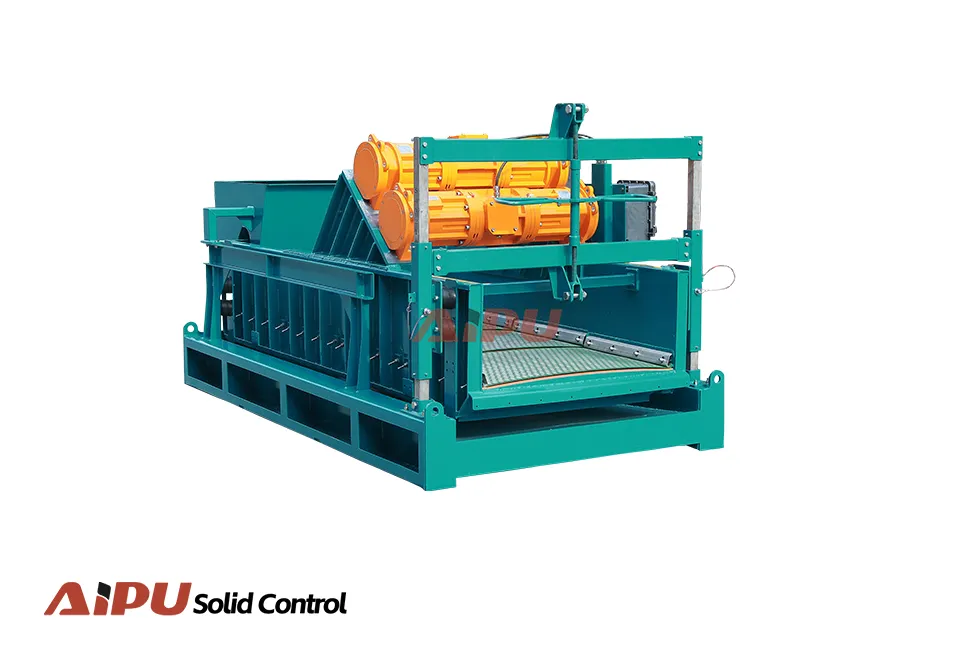
An OBM-optimized shale shaker features several specialized components. High-G force vibrators (typically 5-7 G's) provide the energy for effective separation. The screen decks utilize non-blinding, pyramid or compound screens with finer mesh (often down to 250 mesh) to manage the smaller particle sizes common in OBM. Construction materials are selected for hydrocarbon compatibility and durability.
- Motion: Linear or elliptical, adjustable frequency (0-25 Hz)
- Screen Surface: Double or triple deck configurations
- Power: Hydraulic or electric drive systems
- Deck Angle: Adjustable for optimal solids conveyance
Operational Benefits
Properly sized and operated shale shakers deliver substantial value in OBM operations. The primary benefit is the preservation of the base oil and chemical additives, leading to significant cost savings on mud replenishment. Enhanced solids removal reduces mud weight creep, lowers ECD (Equivalent Circulating Density), improves ROP (Rate of Penetration), and minimizes wear on downstream equipment like pumps and drill bits.
Industry Applications
These units are indispensable in demanding applications where OBM is preferred, such as deepwater drilling, high-pressure/high-temperature (HPHT) wells, and extended-reach lateral sections in shale plays. Their ability to maintain stable mud properties is crucial for wellbore stability, lubricity, and overall drilling efficiency in complex geological formations.
Maintenance Considerations
Proactive maintenance is essential for peak performance. Daily inspections should include screen integrity checks, tension verification, and vibrator bearing monitoring. Regular cleaning with appropriate solvents prevents screen blinding from gumbo or sticky shales. A robust inventory of compatible screen panels and spare parts minimizes costly downtime.
Conclusion
The shale shaker remains the cornerstone of effective solids control in oil-based mud systems. Continuous innovations in screen technology, motion dynamics, and automation are enhancing separation efficiency and reliability. Investing in high-performance shale shaker technology and proper operational practices delivers direct returns through reduced drilling fluid costs, improved drilling performance, and minimized environmental footprint, making it a critical asset for any modern drilling operation using OBM.