
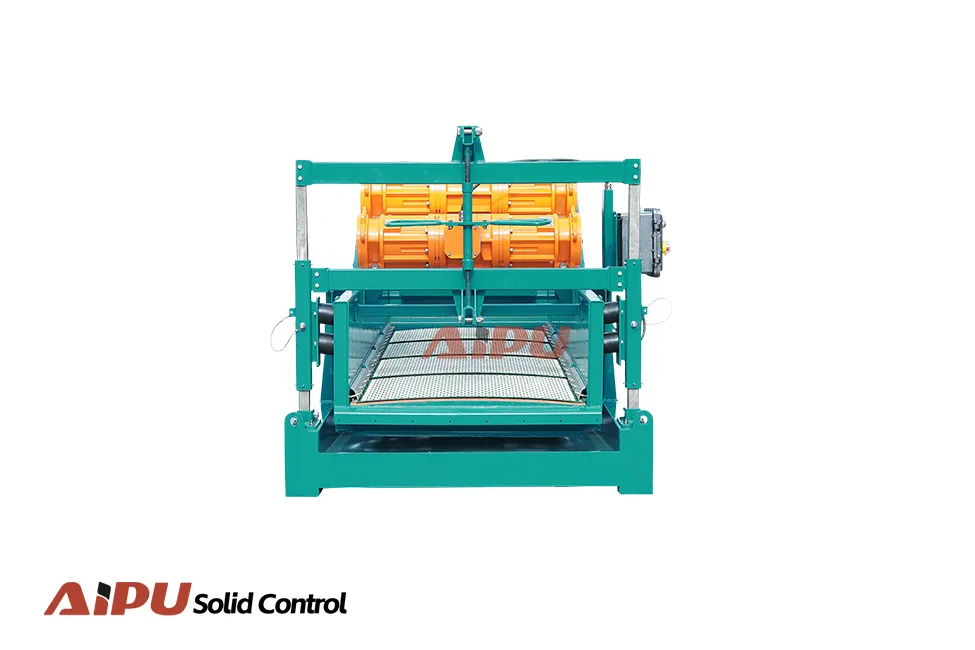
Introduction to shale shakers in Drilling Operations
The shale shaker is the primary and most critical solids control equipment on any drilling rig. Its function is to remove large drilled solids, or cuttings, from the drilling fluid (mud) as it returns from the wellbore. Efficient primary separation is paramount for maintaining mud properties, protecting downstream equipment, and ensuring overall drilling efficiency and cost-effectiveness.
Technical Working Principle of Shale Shakers
Shale shakers utilize high-frequency, linear or elliptical motion to convey cuttings across a vibrating screen surface. As fluid passes through the screen mesh, solids larger than the mesh openings are transported off the screen deck for disposal. The separation is governed by G-force (typically 4-7 Gs), screen angle, and vibration pattern, which work together to maximize fluid throughput and solids conveyance without blinding the screen.
Key Components and Technical Specifications
A modern shale shaker consists of several critical components. Key specifications define its performance and suitability for specific drilling programs.
- Screen Decks: Often multi-deck (2-4) with progressively finer mesh screens (API 20 to API 325).
- Vibration Motors: Provide adjustable high-frequency motion (up to 3600 RPM).
- Screen Basket: Angled design (0° to +5°) for optimal solids transport.
- Flow Capacity: Rated for specific flow rates (e.g., 1000-1500 GPM per unit).
- Power Source: Typically electric or hydraulic drive systems.
Operational Benefits and Efficiency Gains
Properly functioning shale shakers deliver substantial operational and economic advantages directly impacting the drilling budget.
- Mud Conservation: Efficient separation reduces costly mud losses and chemical dilution requirements.
- Equipment Protection: Removes abrasive solids, extending the life of pumps, mud cleaners, and centrifuges.
- Enhanced ROP: Cleaner mud improves rate of penetration and overall drilling efficiency.
- Reduced Disposal Costs: Effective solids removal minimizes waste volume for haul-off.
Industry Applications and Deployment
Shale shaker technology is deployed across all drilling environments, with configurations tailored to specific challenges.
- High-Pressure, High-Temperature (HPHT) Wells: Utilize specialized seals and construction materials.
- Deepwater Operations: Feature compact, modular designs with high-G motors for space-constrained rigs.
- Geothermal and ESG-Focused Drilling: Emphasize maximum solids removal to minimize environmental footprint.
- Shale Plays: Use high-capacity, multi-deck units to handle high flow rates and large cuttings volumes.
Maintenance Considerations for Peak Performance
Proactive maintenance is essential for sustained shale shaker efficiency and reliability.
- Conduct daily inspections of screen integrity, tension, and wear.
- Monitor vibration motor amperage and temperature for signs of imbalance or overload.
- Ensure proper spray bar operation for screen cleaning without fluid bypass.
- Lubricate bearings and check motor mounts according to a strict OEM schedule.
Conclusion: The Foundation of Solids Control
The shale shaker remains the indispensable first line of defense in drilling fluids processing. Continued innovation in screen technology, motion dynamics, and automation ensures it will continue to be a cornerstone of efficient, cost-effective, and environmentally responsible drilling operations. Investing in proper shaker selection, operation, and maintenance yields direct returns through reduced non-productive time and lower total fluid system costs.