
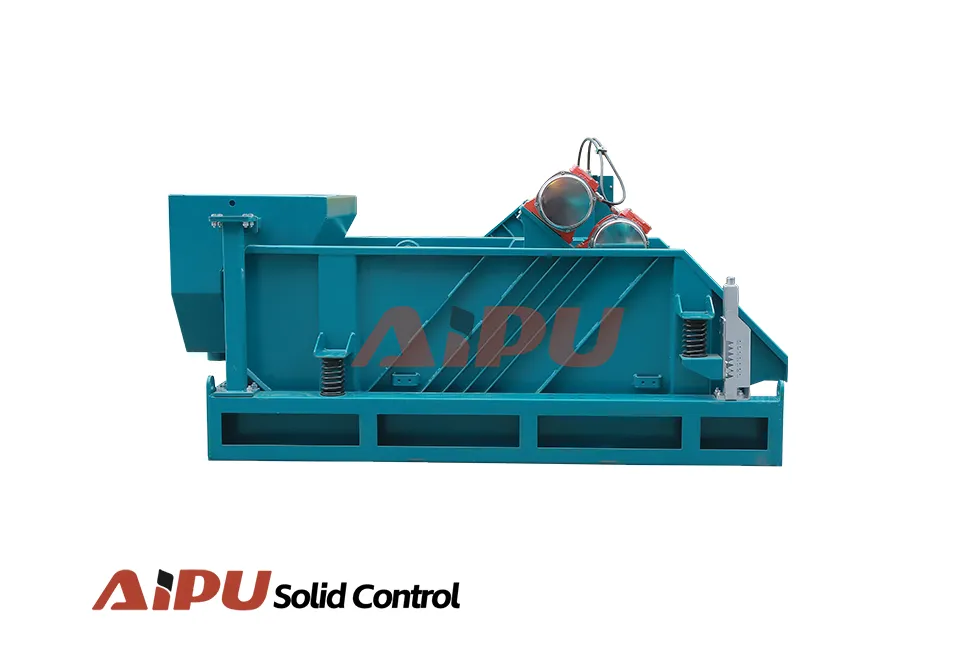
Introduction to shale shakers in Water-Based Mud Systems
The shale shaker is the primary and most critical solids control device on any drilling rig. Its performance directly dictates the efficiency of the entire mud system, especially when using water-based mud (WBM). For WBM, effective solids removal at this first stage is paramount to maintain mud properties, reduce chemical consumption, and protect downstream equipment.
Technical Working Principle
Shale shakers separate drilled cuttings from WBM via vibratory motion and screen filtration. High-frequency, linear vibration conveys solids across layered mesh screens while allowing cleaned fluid to pass through. The G-force and deck angle are precisely tuned for WBM's specific viscosity and solids loading to prevent fluid loss and screen blinding.
Key Components and Specifications
Modern shale shakers for WBM feature robust designs to handle high flow rates. Key specifications include:
- Vibration Motor: Typically 3-5 HP, generating 4.5-7.0 G's of acceleration.
- Screen Panels: Fine (100-200 mesh) composite screens are common for WBM to remove fine silts.
- Deck Configuration: Single, double, or triple decks for staged separation.
- Flow Capacity: Units rated for 500-2,000 GPM, depending on rig size.
Operational Benefits and Efficiency
Optimizing shale shaker performance with WBM yields significant cost savings. Efficient removal of drilled solids at the surface reduces the need for dilution and expensive chemical treatments to maintain mud weight and rheology. This extends the life of the whole mud system and lowers waste disposal volumes.
Industry Applications and Best Practices
In WBM operations, shakers are critical in both top-hole sections and deeper, weighted intervals. Best practices include:
- Selecting screen mesh based on LCM size and formation type.
- Monitoring fluid distribution across the full screen width to maximize utilization.
- Adjusting deck angle and G-force when transitioning between different WBM formulations.
Maintenance Considerations
Preventive maintenance ensures peak separation efficiency. Daily inspections should include checking vibration motor mounts, screen tension, and wear on rubber seals. Proper screen installation and rapid change-out procedures minimize downtime during connections or mud property changes.
Conclusion
The shale shaker remains the workhorse of solids control for water-based mud. Investing in advanced shaker technology and adhering to rigorous operational protocols directly enhances drilling efficiency, reduces total fluid costs, and minimizes environmental impact. Continuous innovation in screen technology and motion dynamics further pushes the performance envelope for WBM systems.