
Introduction
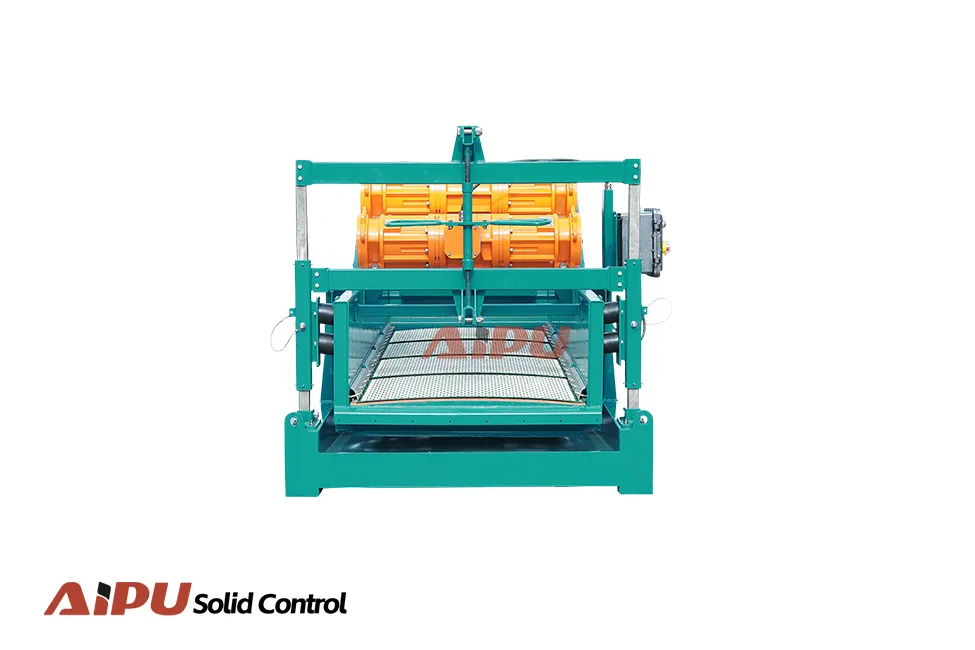
In modern drilling operations, the shale shaker serves as the primary and most critical solid control equipment. Its primary function is to remove large drilled cuttings from the drilling fluid (mud) using high-frequency vibration, ensuring the mud's properties are maintained for efficient wellbore pressure control and hole cleaning. Effective shale shaker operation directly impacts overall drilling efficiency, cost management, and environmental compliance.
Technical Working Principle
The shale shaker operates on a principle of vibratory screening. A high-speed vibrating motor, or an eccentric weight system, imparts a high-frequency, linear or elliptical motion to a tensioned screen mesh. As the fluid-cuttings mixture flows onto the screen, this motion stratifies the material, allowing liquid and fine particles (under the mesh size) to pass through as "throughput," while larger solids are conveyed off the screen deck as discharge. Key parameters governing this separation are vibration G-force (typically 4-7 Gs), screen mesh count, and deck angle.
Key Components and Specifications
A robust shale shaker comprises several critical components. Understanding their specifications is vital for selection and operation.
- Screen Deck & Mesh: Often polyurethane or stainless steel, with mesh sizes ranging from 20 to 200+ API. A finer mesh removes smaller solids but reduces fluid handling capacity.
- Vibratory Motors: Provide the necessary G-force and motion. Dual, counter-rotating motors are standard for linear motion.
- Flow Capacity: Rated in gallons per minute (GPM), must match the rig's circulating rate, often exceeding 1000 GPM per unit.
- Deck Configuration: Single, double, or triple decks in series for progressive screening, enhancing solids removal efficiency.
Operational Benefits
Properly functioning shale shakers deliver substantial operational and economic advantages.
- Mud Conservation: Efficient removal of cuttings preserves expensive drilling fluid, reducing chemical and barite addition costs.
- Equipment Protection: By removing abrasive solids, downstream equipment like desanders, desilters, and pumps experience less wear, lowering maintenance costs.
- Drilling Efficiency: Clean mud improves rate of penetration (ROP), reduces the risk of stuck pipe, and ensures better wellbore stability.
- Environmental Compliance: Dryer discharged cuttings reduce waste volume and associated disposal costs and liabilities.
Industry Applications
Shale shaker technology is applied across all drilling environments but is particularly crucial in specific scenarios.
- High-Pressure, High-Temperature (HPHT) Wells: Demands precise mud weight control, necessitating highly efficient fine-screen shakers.
- Directional & Horizontal Drilling: Enhanced hole cleaning requirements in these wells rely on optimal solids control from the primary shaker.
- Unconventional Shale Plays: High ROP operations generate massive volumes of cuttings, requiring high-capacity, durable shakers with fast screen change-out systems.
Maintenance Considerations
Proactive maintenance is essential for sustained performance and uptime.
- Screen Inspection & Change-Out: Monitor for blinding or tearing. Damaged screens must be replaced immediately to prevent loss of whole mud.
- Vibration System Checks: Regularly inspect motor mounts, bearings, and eccentric weights for integrity and proper torque.
- Deck & Seal Integrity: Ensure deck seals are intact to prevent fluid bypass, which drastically reduces separation efficiency.
- Proper Feed & Distribution: The flow distributor (back tank or weir) must evenly spread fluid across the entire screen width to maximize utilization.
Conclusion
The shale shaker remains the indispensable first line of defense in solids control. Its core function—efficiently separating cuttings from drilling fluid—is foundational to safe, cost-effective, and efficient drilling operations. Continued innovations in screen technology, motion dynamics, and automation are enhancing reliability and performance, solidifying its critical role in meeting the technical and economic challenges of modern drilling programs.