
Introduction
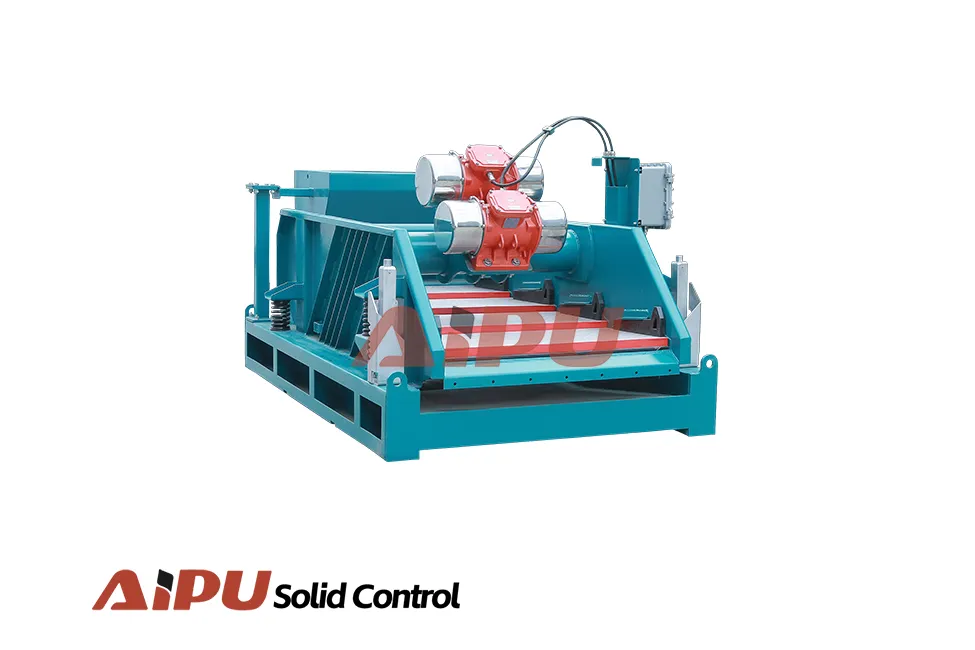
The shale shaker is the primary and most critical solid control equipment in any drilling fluid system. As the first line of defense, its primary function is to remove large drilled cuttings from the drilling mud, ensuring the fluid's properties are maintained for efficient drilling, wellbore stability, and protection of downstream equipment. Effective shale shaker operation directly impacts overall drilling efficiency, cost management, and environmental compliance.
Technical Working Principle
Shale shakers operate on the principle of vibratory screening. A high-speed vibrating motor, or an eccentric weight system, imparts a high-frequency, linear or elliptical motion to a screen deck. As the fluid-cuttings mixture (the "returns") flows onto the inclined screen surface, the vibration stratifies the material, forcing liquid and fine particles through the screen mesh while conveying larger solids off the discharge end. Key variables include vibration G-force (typically 4-7 Gs), deck angle, and screen mesh selection.
Key Components and Specifications
Modern shale shakers are engineered for high performance and durability. Critical components include:
- Screen Deck & Mesh: Polyurethane or stainless steel screens with mesh sizes from 20 to 325+ API. Latest designs feature pretensioned, hook-strip panels for rapid change-out.
- Vibration Mechanism: Dual, counter-rotating motors generating linear motion for consistent solids conveyance.
- Structural Frame: Robust, corrosion-resistant construction to withstand continuous G-forces and harsh environments.
- Flow Capacity: Units are rated for specific flow rates (e.g., up to 1200 GPM per unit) and can be manifolded for high-pressure, high-volume applications.
Operational Benefits
Optimized shale shaker performance delivers substantial operational and economic advantages:
- Mud Conservation: Efficient solids removal reduces dilution and chemical treatment costs.
- Equipment Protection: By removing abrasive particles, it extends the life of downstream pumps, degassers, and centrifuges.
- Drilling Efficiency: Cleaner mud improves rate of penetration (ROP) and reduces the risk of stuck pipe and wellbore issues.
- Waste Management: Produces drier cuttings, reducing haul-off volumes and associated disposal costs.
Industry Applications
Shale shaker technology is tailored to specific drilling programs. On land-based shale plays, high-speed, multi-deck units handle large volumes of fine solids. In deepwater operations, they are integrated into complex closed-loop systems with high-capacity, fine-screen shakers to meet stringent environmental regulations. Their application is universal across all phases of drilling, from spudding to completion.
Maintenance Considerations
Proactive maintenance is crucial for reliability. Daily checks should include motor function, screen integrity, and tension. Worn or blinded screens must be replaced immediately to maintain flow capacity. Regular lubrication of bearings and inspection of electrical connections prevent catastrophic failure. Proper training for rig crews on screen selection and deck configuration is a key cost-saving measure.
Conclusion
The shale shaker remains an indispensable technology in modern drilling operations. Continuous innovations in screen technology, motion dynamics, and automation are enhancing separation efficiency and reliability. Investing in proper shaker selection, operation, and maintenance is a direct contributor to safer, faster, and more cost-effective drilling, solidifying its role as the cornerstone of effective solids control.