
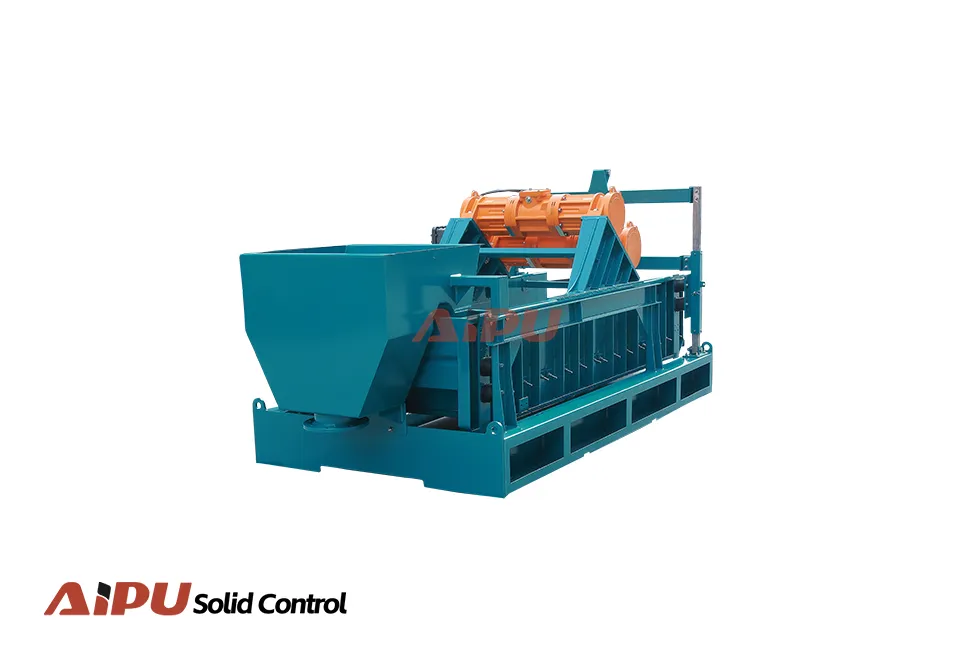
Introduction to shale shakers
A shale shaker is the primary and most critical solids control device on a drilling rig. Its primary function is to remove large, coarse drilled solids (typically >74 microns) from the drilling fluid (mud) using vibratory screening. Efficient primary separation is vital for maintaining mud properties, protecting downstream equipment, and ensuring overall drilling efficiency and cost-effectiveness.
Technical Working Principle
Shale shakers operate on the principle of vibratory screening. A high-speed vibrating motor, or multiple motors, imparts a high-frequency, linear or elliptical motion to a screen deck mounted at a slight incline. As the fluid-solids mixture (the "returns") flows onto the screen, the vibration stratifies the material, allowing liquid and fine particles to pass through the screen mesh (becoming "underflow") while larger cuttings are conveyed off the screen's discharge end.
Key Components and Specifications
Understanding core components is essential for selection and operation. Key specifications directly impact performance.
- Screen Deck & Mesh: The angled surface fitted with replaceable screen panels. Mesh size (e.g., API 80 to API 200) determines cut-point.
- Vibratory Motors: Provide the G-force (typically 4-7 G's) and motion pattern (linear, elliptical, or balanced elliptical) for solids conveyance and fluid throughput.
- Flow Capacity: Rated in gallons per minute (GPM); must match rig circulation rates.
- Deck Configuration: Single, double, or triple decks for staged separation, increasing solids removal efficiency.
Operational Benefits and Efficiency
Properly functioning shale shakers deliver direct operational and financial advantages.
- Mud Conservation: Efficiently returns valuable liquid and weighting material to the active system, reducing dilution and chemical costs.
- Equipment Protection: Removes abrasive solids that can damage pumps, liners, and downstream solids control equipment like desanders and desilters.
- Drilling Optimization: Cleaner mud improves rate of penetration (ROP), reduces the risk of stuck pipe, and enhances wellbore stability.
Industry Applications and Selection
Shaker selection is dictated by the drilling phase and mud type. High-performance linear motion shakers are standard for high-flow, oil-based mud (OBM) systems in demanding applications. For simpler, water-based mud (WBM) operations, elliptical motion shakers may suffice. The trend is toward finer screening (even down to API 250) to maximize solids removal at the first and most cost-effective stage.
Maintenance Considerations
Consistent maintenance is non-negotiable for peak performance and longevity.
- Screen Inspection/Change-Out: Monitor for blinding, tearing, or wear. Damaged screens drastically reduce efficiency.
- Vibration System Checks: Ensure motors are synchronized and bolts are torqued to prevent deck damage.
- Proper Feed & Fluid Distribution: Ensure the flow divider evenly distributes returns across the full screen width to prevent localized overload and premature screen failure.
Conclusion
For drilling engineers and newcomers, mastering shale shaker fundamentals is crucial for efficient rig operations. By understanding the working principle, key specifications, and maintenance requirements, personnel can optimize this primary defense against drilled solids. This directly translates to significant cost savings through reduced mud losses, lower disposal costs, and improved overall drilling performance, making the shale shaker a cornerstone of modern solids control management.