
Introduction
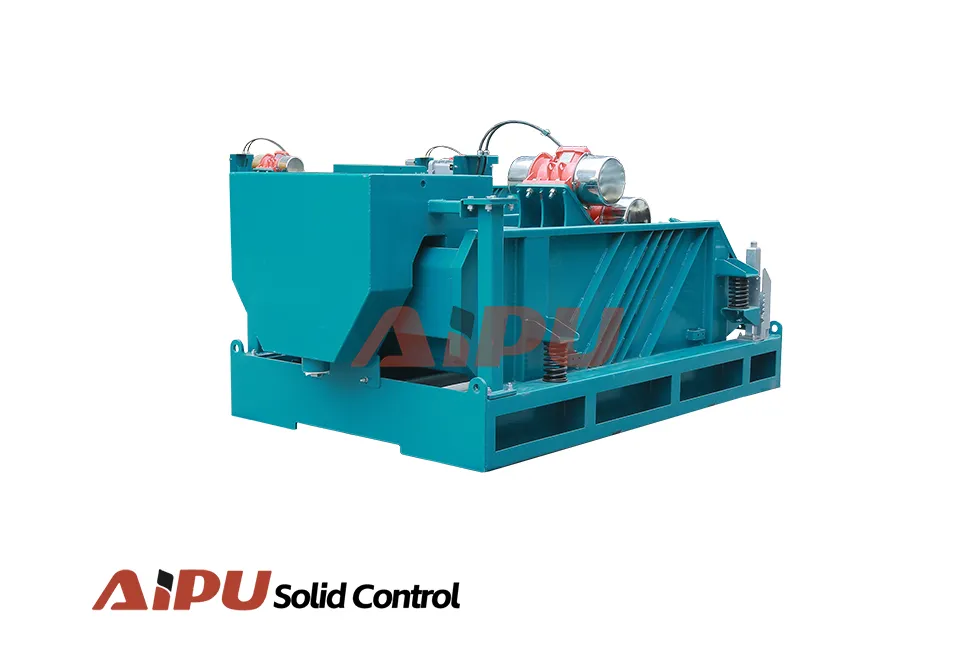
The shale shaker is the primary and most critical solid control equipment in the drilling circulation system. As the first line of defense, it processes the entire volume of drilling fluid returning from the annulus, removing large drilled cuttings to protect downstream equipment and maintain fluid properties. Its performance directly impacts overall drilling efficiency, cost management, and environmental compliance.
Technical Working Principle
Shale shakers utilize high-frequency, multi-plane vibration to separate solids from liquid. Drilling fluid flows onto a vibrating screen deck. The rapid, elliptical motion conveys solids toward the discharge end while allowing liquid and finer particles to pass through the screen mesh. Key parameters governing separation are vibration intensity (G-force), screen mesh size, and deck angle, all optimized for the specific mud weight and formation type.
Key Components and Specifications
Modern shale shakers are engineered for high-capacity, fine-screen operation. Critical specifications include:
- Deck Configuration: Single, double, or triple decks for staged separation.
- Screen Type: Pretensioned pyramid or flat panels, with mesh sizes from 20 to 325+.
- Vibration Mechanism: Balanced elliptical or linear motion motors, generating 4-7 G's of force.
- Flow Capacity: Rated for flow rates exceeding 1000 GPM in high-performance models.
- Drive System: Direct-drive or belt-driven vibratory motors for reliability.
Operational Benefits
Efficient shale shaker operation delivers substantial field advantages.
- Mud Conservation: Effective removal reduces dilution and chemical treatment costs.
- Equipment Protection: Protects desanders, desilters, and centrifuges from plugging.
- ROP Enhancement: Cleaner mud improves rate of penetration by reducing bottom-hole balling.
- Waste Reduction: Minimizes total volume of drilling waste for disposal, lowering environmental footprint.
Industry Applications
Shale shaker technology is tailored to various drilling programs. In high-pressure, high-temperature (HPHT) wells, shakers use fine screens to maintain ultra-stable mud. For large-diameter surface holes, high-volume, coarse-screen shakers manage enormous cuttings loads. The advent of shale plays has driven the adoption of high-G, multi-deck shakers to handle abrasive silica flour and manage costly synthetic-based mud (SBM).
Maintenance Considerations
Proactive maintenance is essential for peak performance and longevity. Daily checks should include screen integrity, tension, and wear. Bearings and motor mounts require regular lubrication and inspection. Operators must ensure feed and distribution systems are even to prevent screen blinding. Proper screen selection—balancing mesh size, conductance, and separation—is the most critical operational decision.
Conclusion
As drilling fluids and well complexities evolve, shale shaker technology remains foundational to efficient solids control. Innovations in screen technology, motion dynamics, and automation continue to push the boundaries of separation efficiency. Investing in and properly operating advanced shale shakers is a direct contributor to reducing non-productive time (NPT), lowering drilling fluid costs, and achieving overall well construction objectives.