
Introduction
The shale shaker is the primary and most critical solid control equipment in drilling engineering. As the first line of defense in the mud system, its performance directly impacts drilling efficiency, fluid costs, and overall wellbore integrity. This device utilizes high-frequency vibration to separate drill cuttings from the drilling fluid, ensuring the recirculation of clean mud for optimal hydraulics and downhole pressure control.
Technical Working Principle
Shale shakers operate on a principle of vibratory screening. A motor-driven vibrator imparts a high-frequency, linear or elliptical motion to a screen deck. As the fluid-cuttings mixture (the "returns") flows onto the screen, the vibration stratifies the material, forcing liquid and fine particles through the mesh while conveying larger solids off the discharge end. Key variables include vibration G-force (typically 4-8 Gs), screen mesh count, and deck angle, all tuned to match the specific mud properties and drilling rate.
Key Components and Specifications
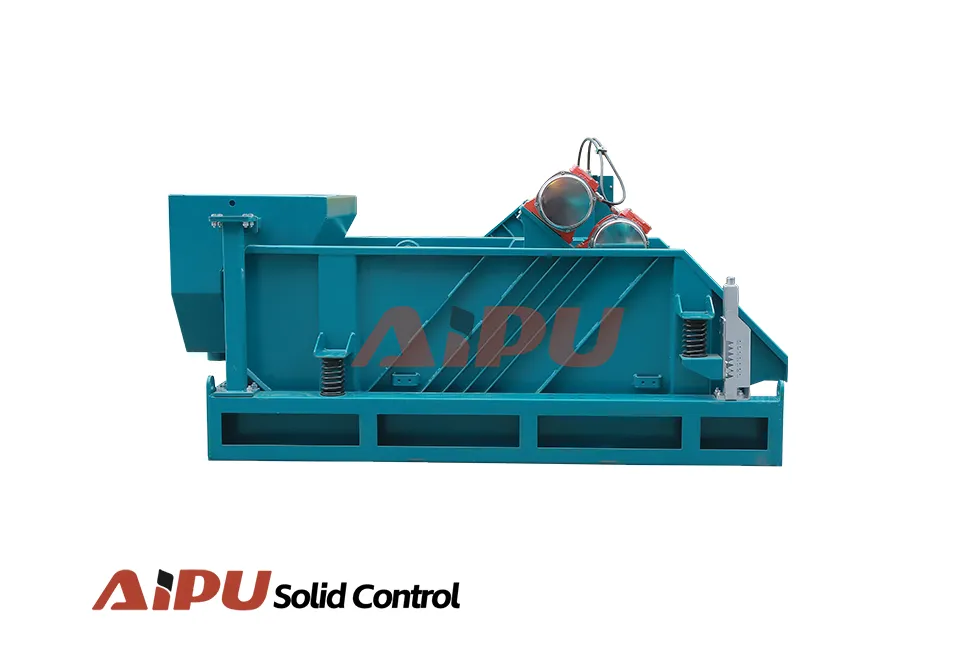
Modern shale shakers are engineered for robustness and precise control. Critical components include:
- Vibrator Assembly: Often unbalanced electric motors or hydraulic vibrators generating the screening motion.
- Screen Panels: Layered mesh screens (e.g., 80-200 API mesh) with hook-strip or tensioned mounting systems.
- Deck Structure: Single, double, or triple decks for cascading separation, increasing solids removal efficiency.
- Skid & Mud Box: The structural base and flow distribution system.
Specifications focus on flow capacity (e.g., up to 1200 GPM per unit), screen area, power requirements, and the vibrator's frequency and stroke.
Operational Benefits
Efficient shale shaker operation delivers substantial economic and technical advantages:
- Mud Conservation: Effective removal of coarse solids reduces dilution and chemical treatment costs.
- Improved ROP: Cleaner mud enhances hydraulic efficiency and bit performance.
- Reduced Downtime: Protects downstream equipment (desanders, desilters, centrifuges) from plugging and wear.
- Wellbore Stability: Maintains consistent mud weight and rheology for better pressure control.
Industry Applications
Shale shaker technology is deployed across all drilling environments but is particularly crucial in:
- High-Pressure, High-Temperature (HPHT) Wells: Where precise mud properties are non-negotiable.
- Directional & Horizontal Drilling: Managing higher solids loading and ensuring efficient hole cleaning.
- Shale Plays: Handling large volumes of fine, abrasive cuttings characteristic of unconventional drilling.
- Offshore Operations: Where space and weight constraints demand high-capacity, reliable units.
Maintenance Considerations
Proactive maintenance is essential for peak shaker performance and longevity. Key practices include:
- Regular inspection and replacement of worn screen panels to prevent bypass.
- Checking and tightening vibration isolators, motor mounts, and screen tension.
- Ensuring the feed distribution system is even to prevent screen flooding and dead spots.
- Monitoring motor amperage and vibration patterns for early signs of mechanical failure.
Conclusion
As drilling programs grow more complex, the role of advanced shale shaker technology becomes increasingly vital. Innovations in screen technology, motion dynamics, and automation continue to push the boundaries of separation efficiency. For the drilling engineer, selecting and operating the correct shale shaker configuration is a fundamental decision that drives cost savings, operational safety, and overall project success by ensuring the integrity of the drilling fluid system from the very first node.